Through donor-funded scholarships, School of Pharmacy PharmD students pursue their dream careers.

3 most recent stories to be displayed on the SoP homepage.
Through donor-funded scholarships, School of Pharmacy PharmD students pursue their dream careers.
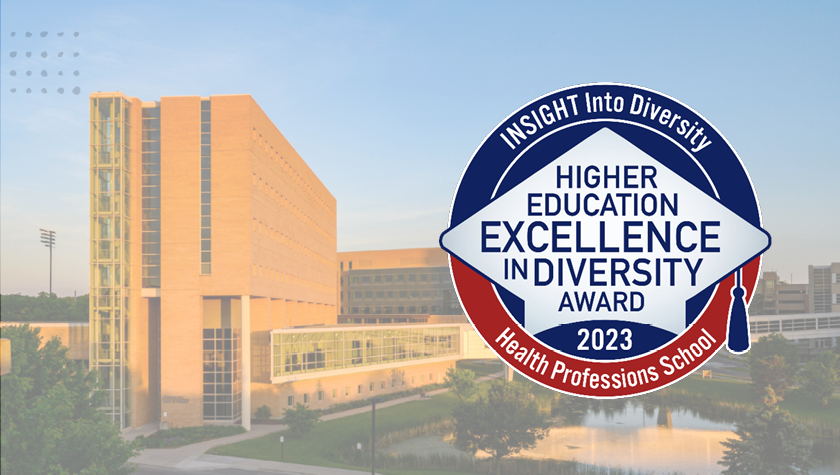
By earning the prestigious HEED Award in 2023, the School of Pharmacy sets a standard for inclusive education.

School of Pharmacy is one of only six pharmacy schools in the nation and the only pharmacy school in the state of Wisconsin to be recognized The University of Wisconsin–Madison School of Pharmacy received the 2023 …

Badger pharmacists are honored for their impact on health-system pharmacy and patient care.
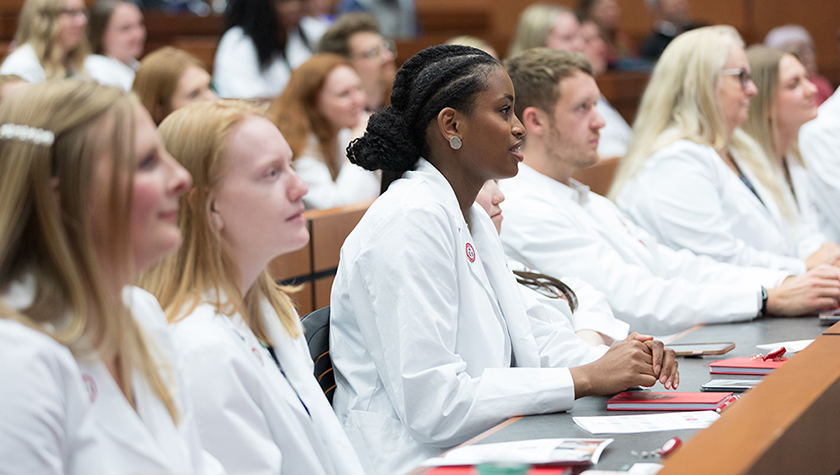
The School of Pharmacy creates a statewide path to a PharmD through partnerships with 13 UW System universities.
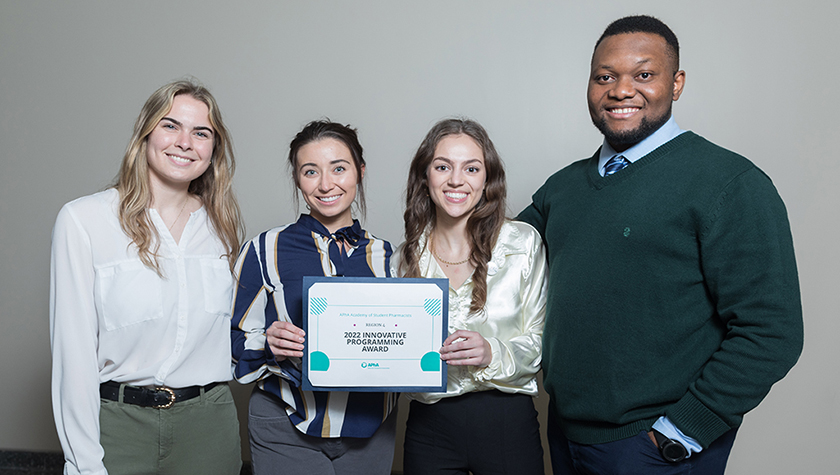
The School’s Wisconsin Society of Pharmacy Students was recently honored by APhA-ASP for their professional development outreach.

New Doctor of Pharmacy Early Assurance Program Opens Door For More Wisconsin Pharmacists The University of Wisconsin–Madison School of Pharmacy is introducing a new program that aims to increase access to pharmacy school and train …

University of Wisconsin–Madison researchers have recently revealed that the effectiveness of common antibiotics could depend on the neighborhood where you live. Here are the details.
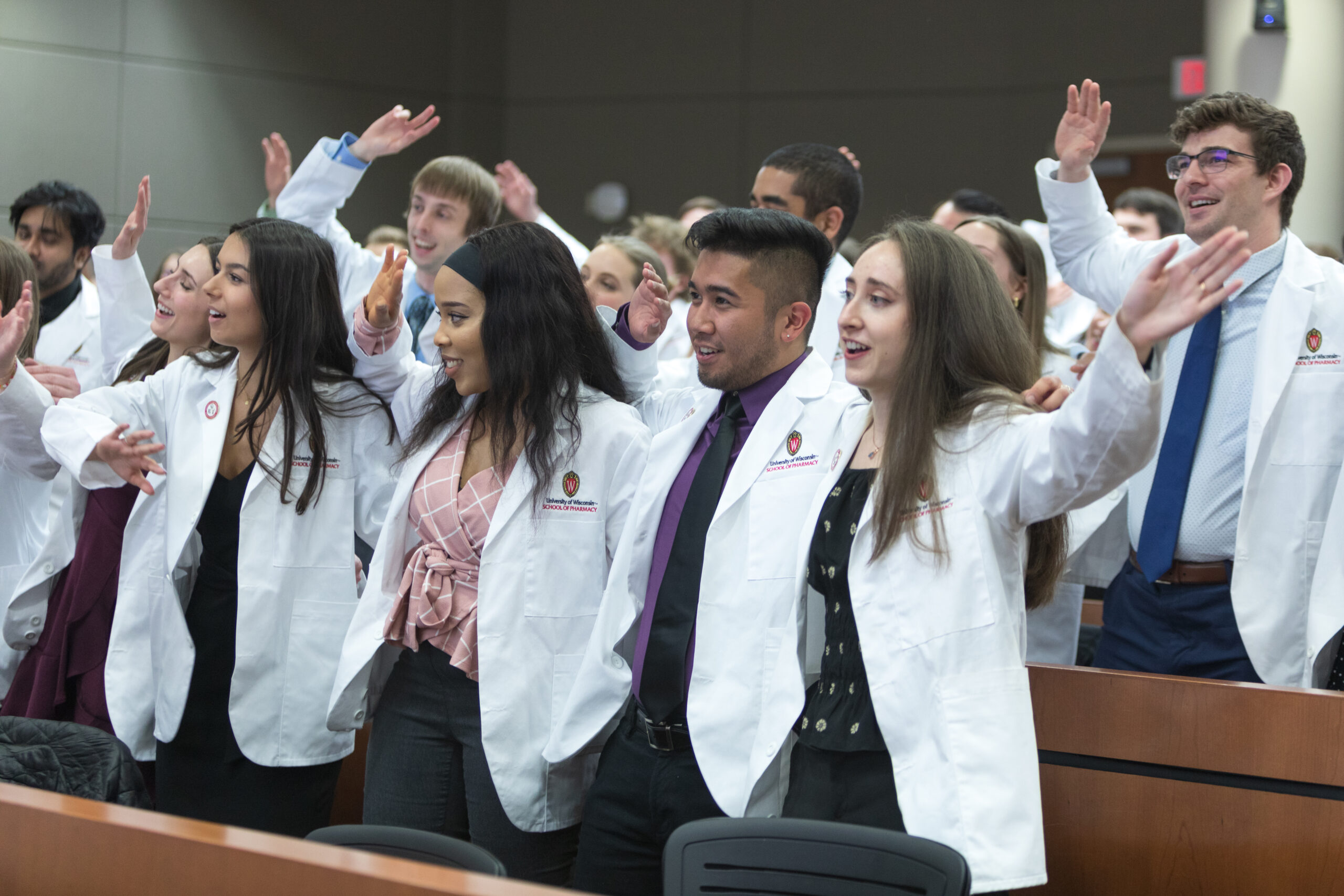
The UW–Madison School of Pharmacy continues to be one of the top pharmacy schools for residency placement with a 99% ASHP match rate in 2023.
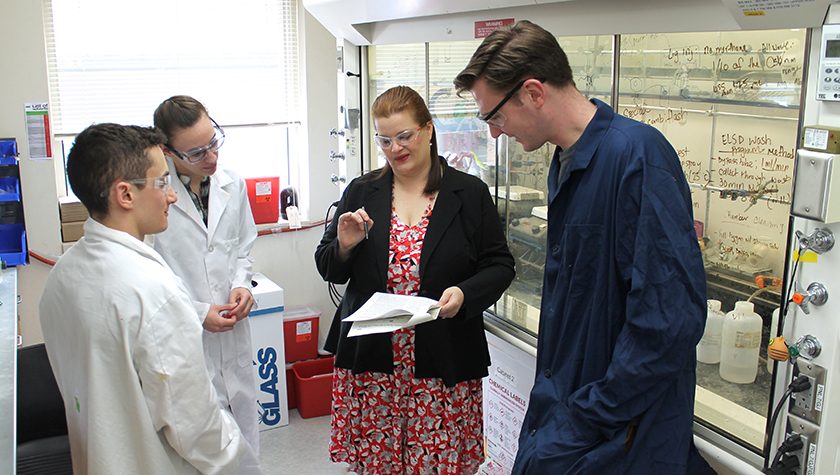
A new antiviral compound designed and synthesized by researchers at the University of Wisconsin–Madison’s School of Pharmacy is highly effective in mice against two types of devastating encephalitis viruses that are harmful to humans.