Professor Weiping Tang creates a new type of molecule to tag proteins on the surface of cancer cells for degradation.
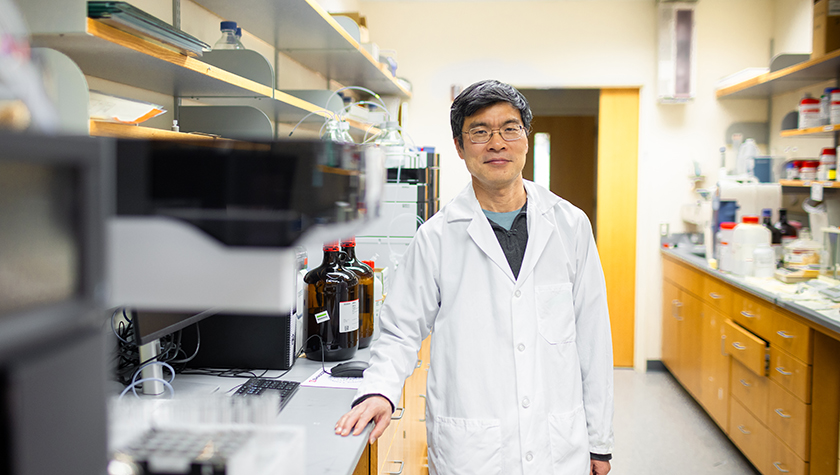
Professor Weiping Tang creates a new type of molecule to tag proteins on the surface of cancer cells for degradation.
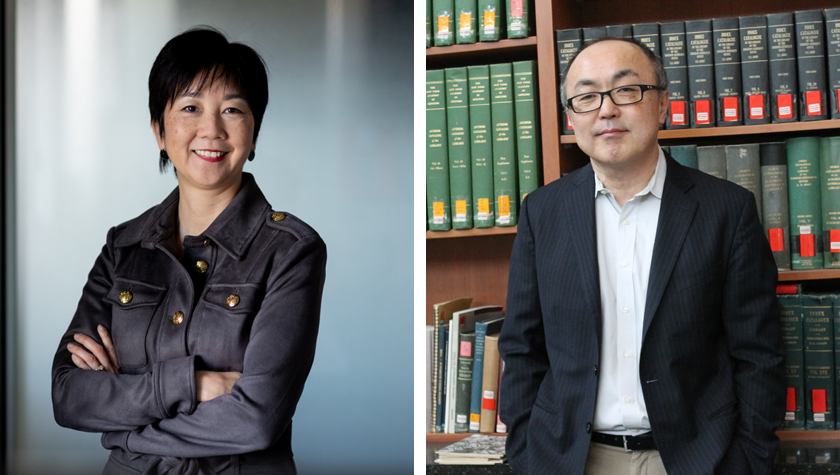
Professors Michelle Chui and Glen Kwon receive one of UW–Madison’s top faculty honors: Vilas Distinguished Achievement Professorships.
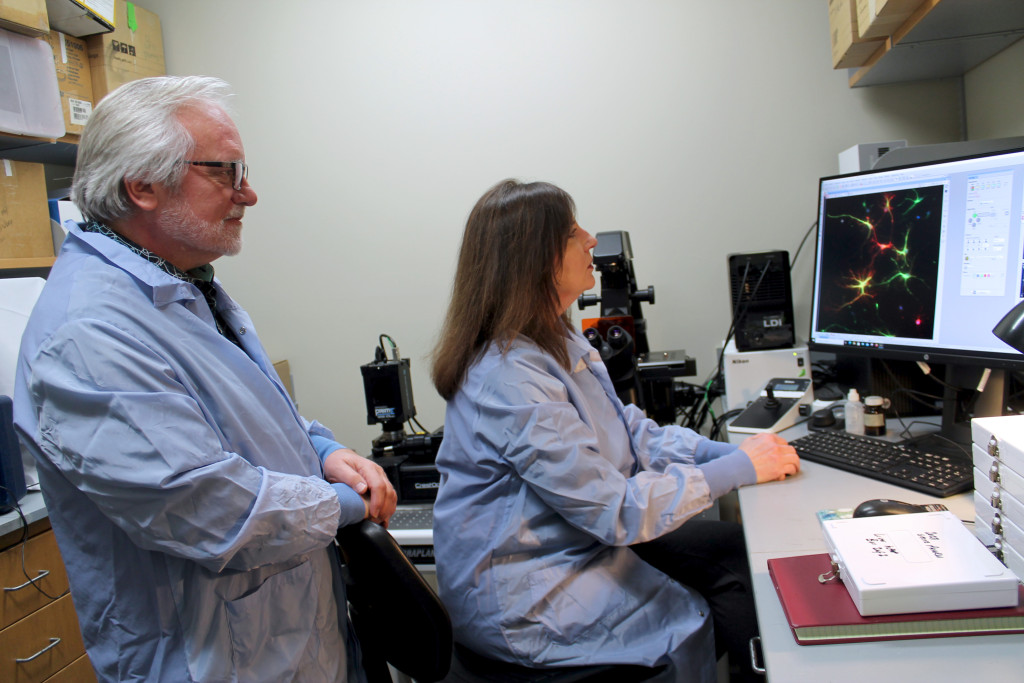
A newly developed nanomaterial that mimics the behavior of proteins could be an effective tool for treating Alzheimer’s and other neurodegenerative diseases.
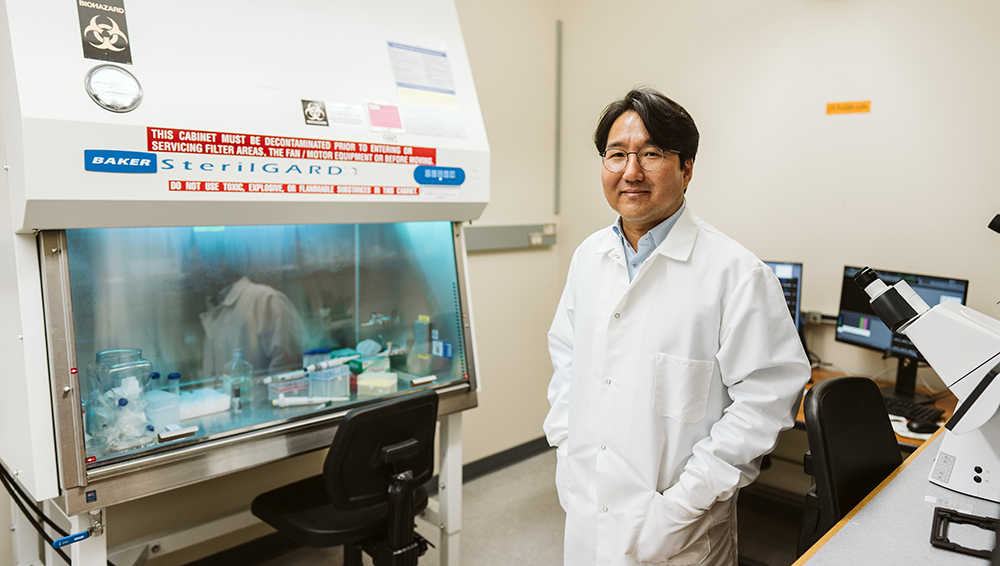
Professor Seungpyo Hong continues to advance technology to track circulating tumor cells, which could lead to a more effective, easier way to monitor cancer progression.
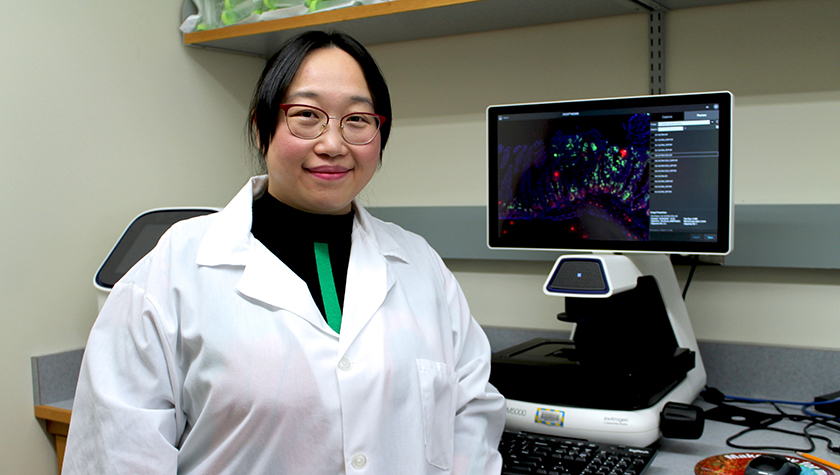
Assistant Professor Ting Fu and collaborators have identified a promising new target for treatments that could help the millions of people worldwide who suffer from inflammatory bowel disease and related colorectal cancers.
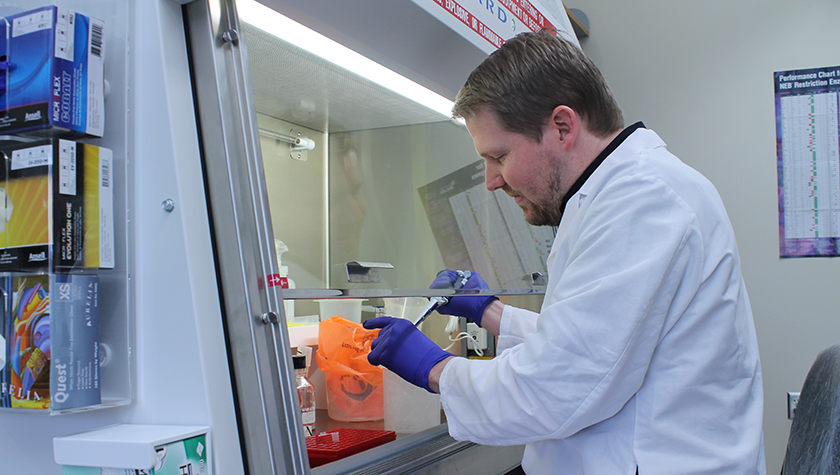
Armed with two new grants, School of Pharmacy Assistant Professor Jason Peters continues his quest to find new targets for the hardest-to-treat bacterial infections.
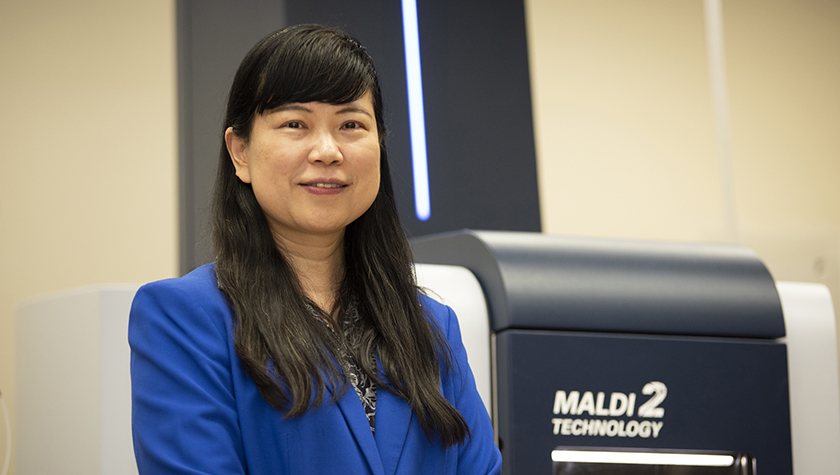
New research by School of Pharmacy Professor Lingjun Li uncovers the role of neuropeptides in post-traumatic stress disorder.
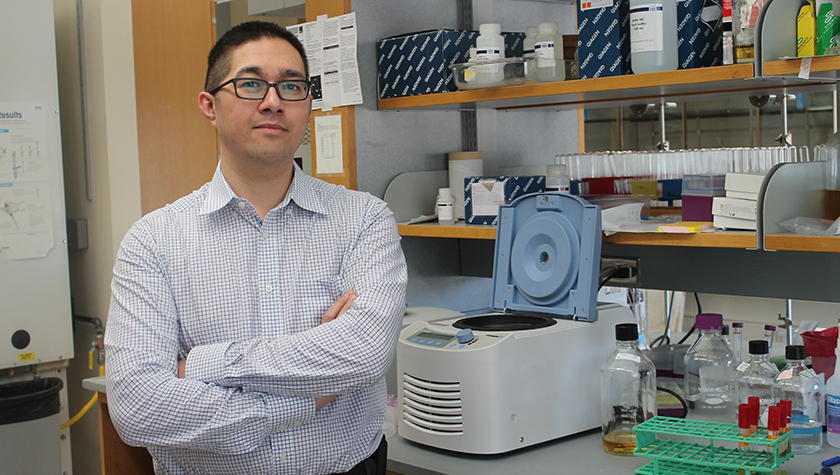
For his innovative research of natural products, Associate Professor Jason Kwan is being nationally recognized by the American Society of Pharmacognosy.
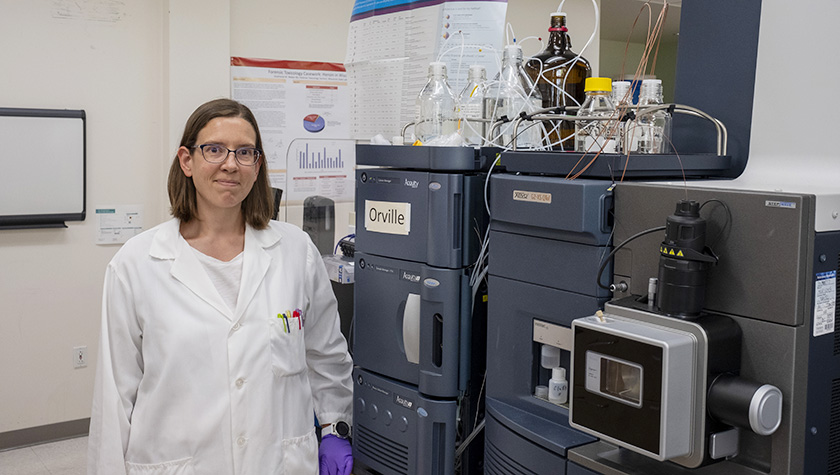
School of Pharmacy Assistant Professor Heather Barkholtz is working to deepen our understanding of new drugs of abuse and how to detect them.
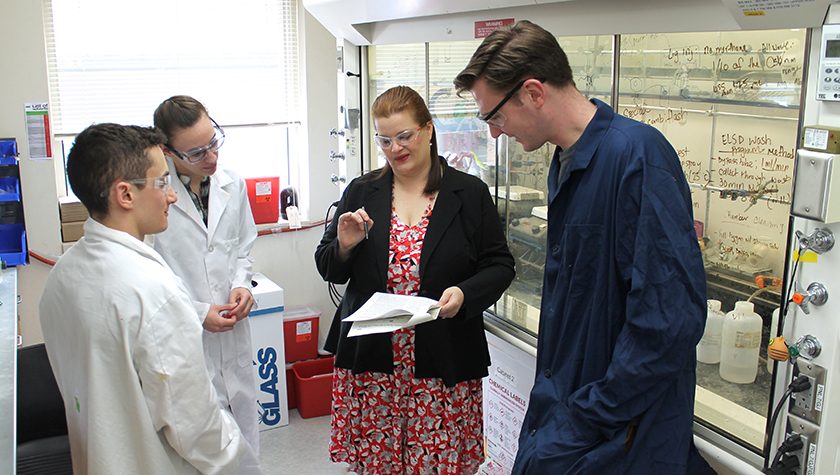
A new antiviral compound designed and synthesized by researchers at the University of Wisconsin–Madison’s School of Pharmacy is highly effective in mice against two types of devastating encephalitis viruses that are harmful to humans.