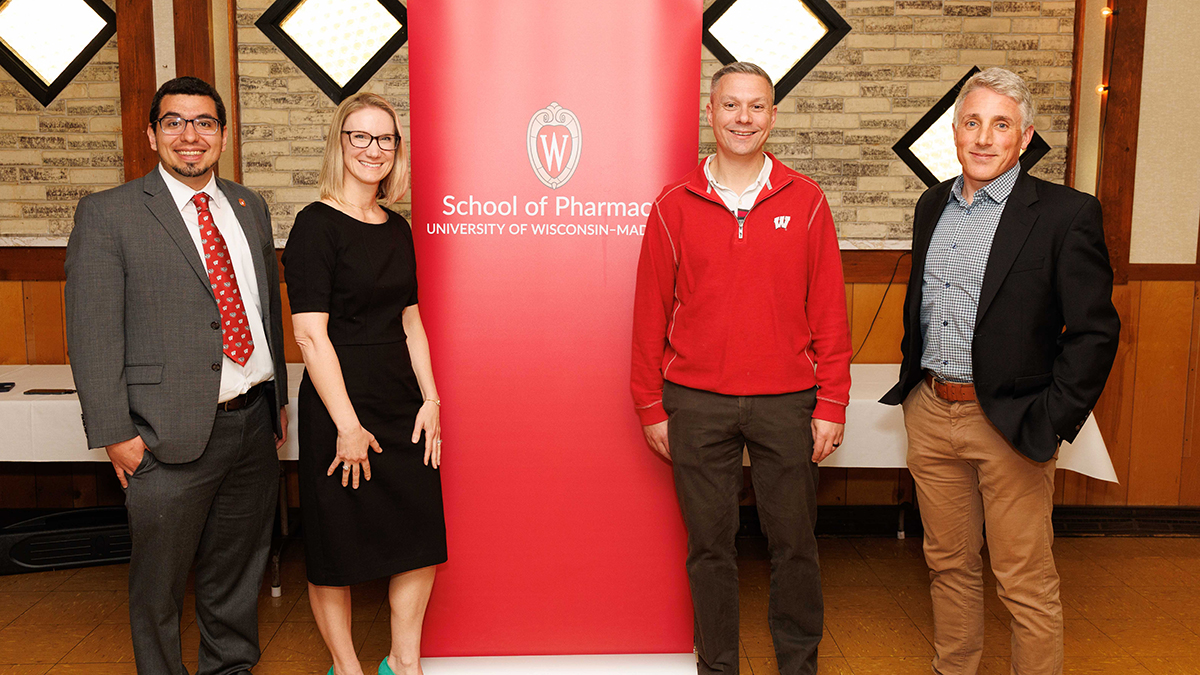
Three Pharmacy Badgers share how pharmacists can transform practice models and patient outcomes, from HIV to heart failure
A grandfather with heart failure’s life is saved and his medications are optimized. A mother with diabetes keeps her blood sugar under control thanks to an easy-to-use digital management program. A young person with HIV takes a groundbreaking drug to treat the disease.
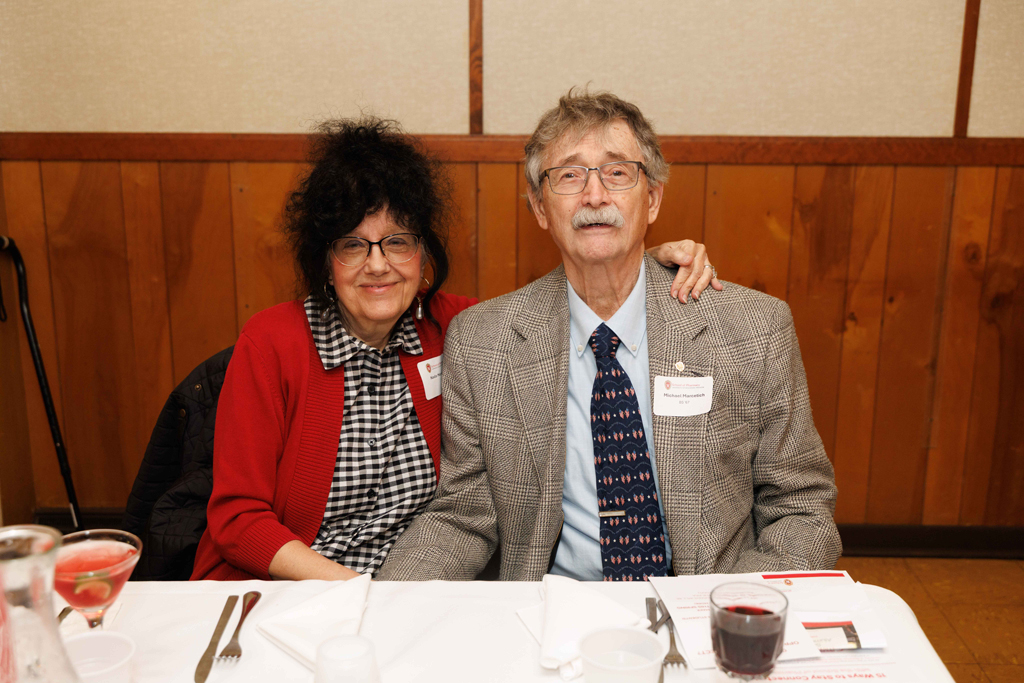
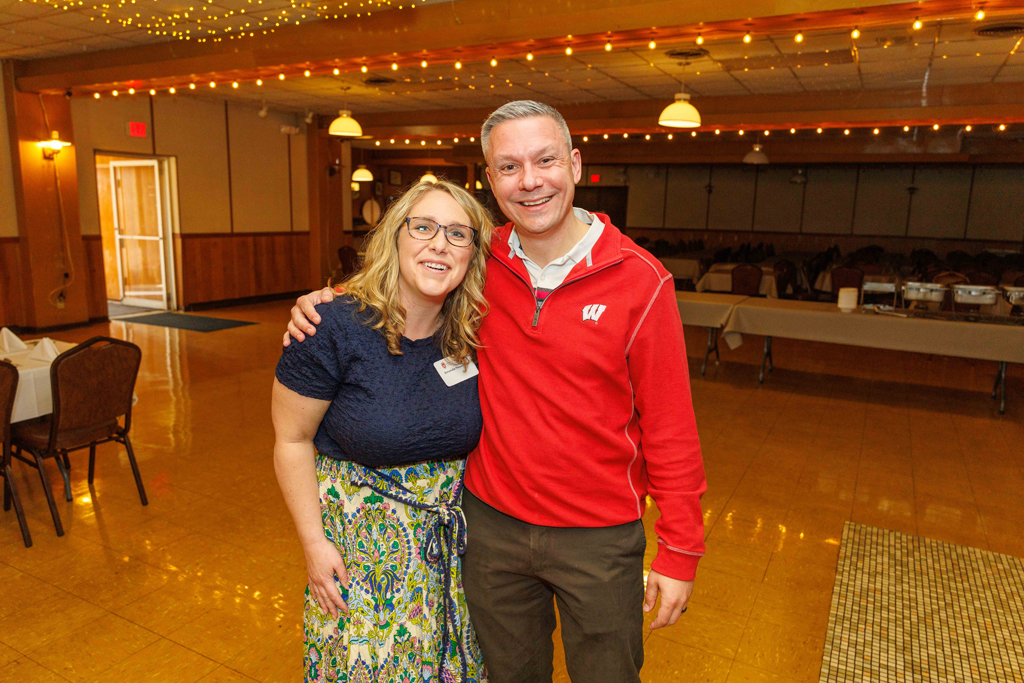
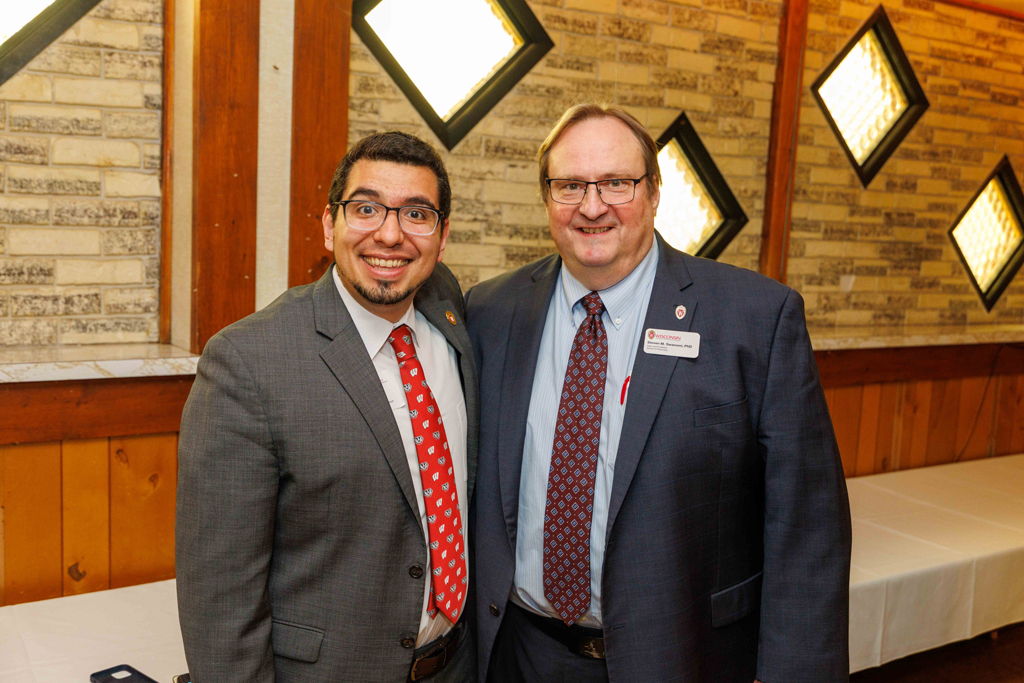
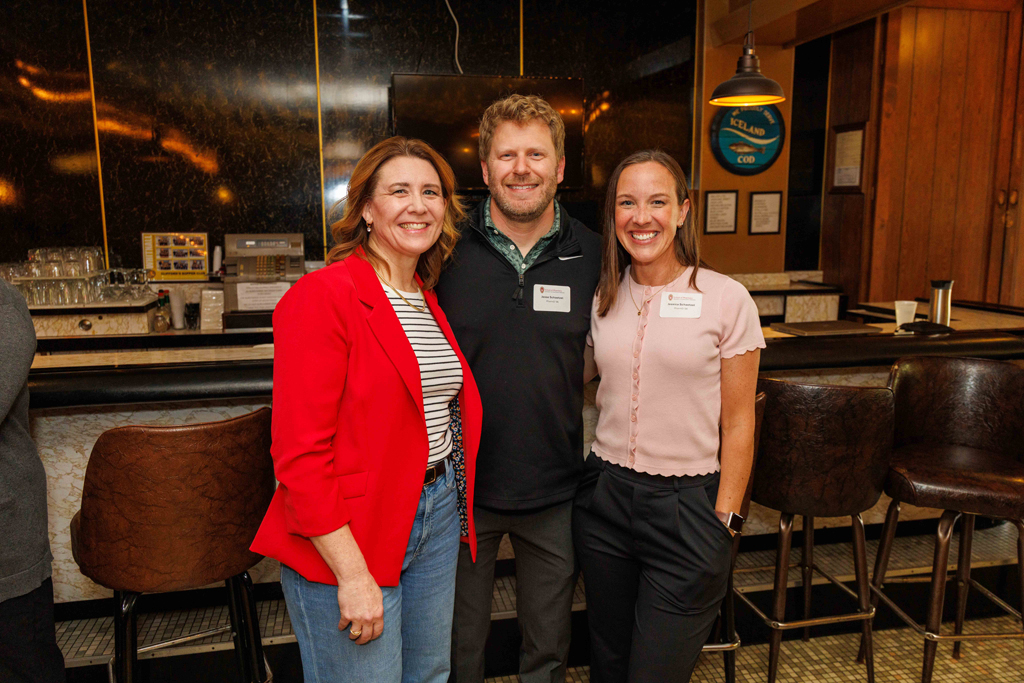
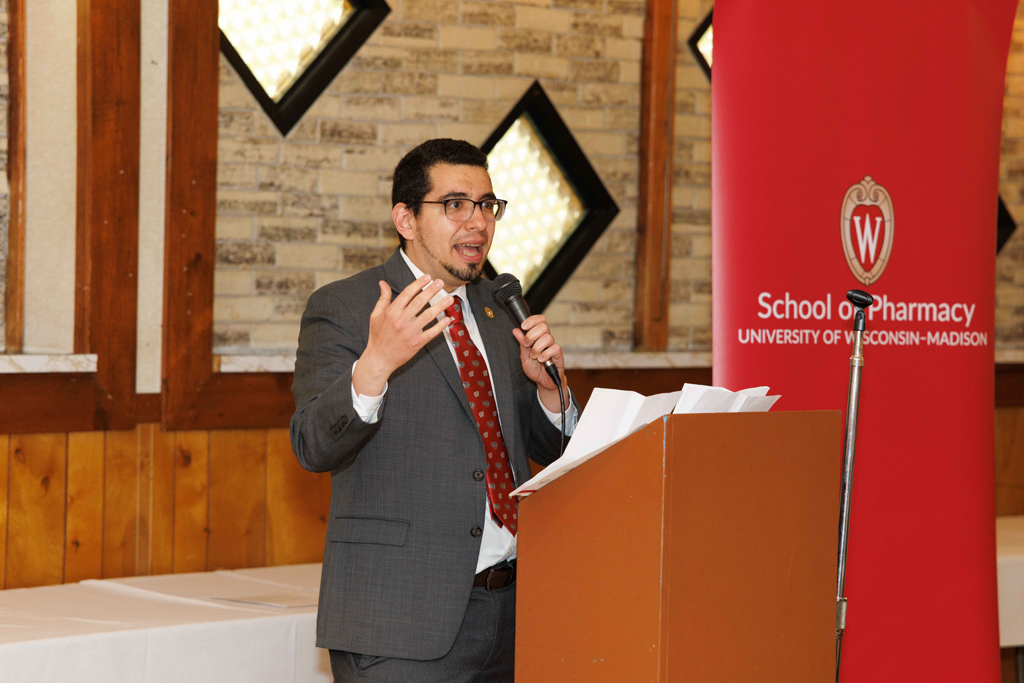
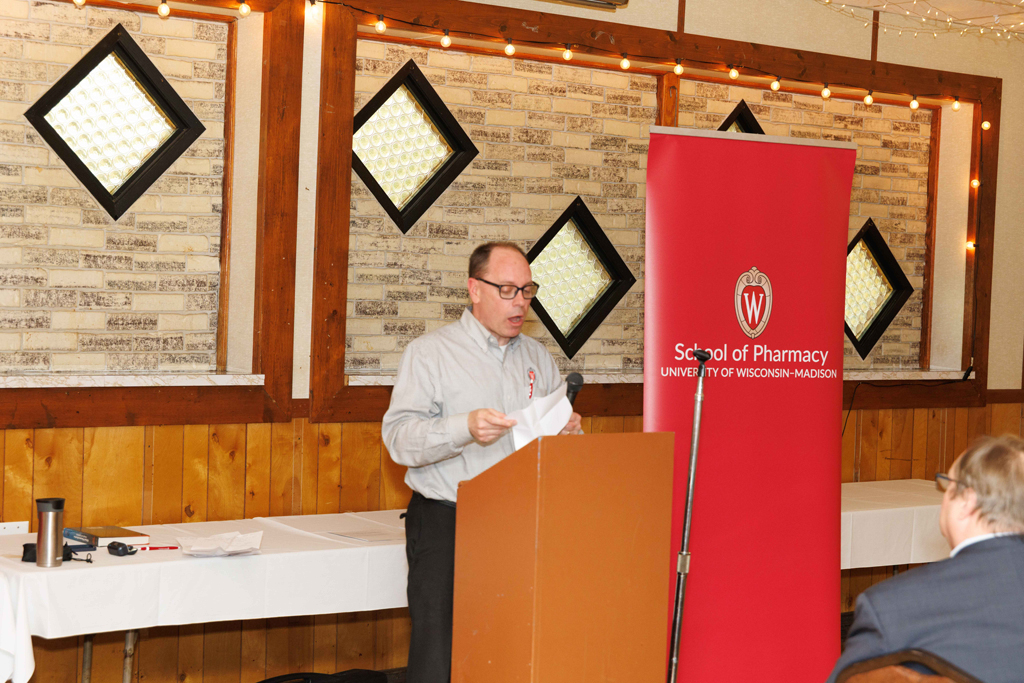
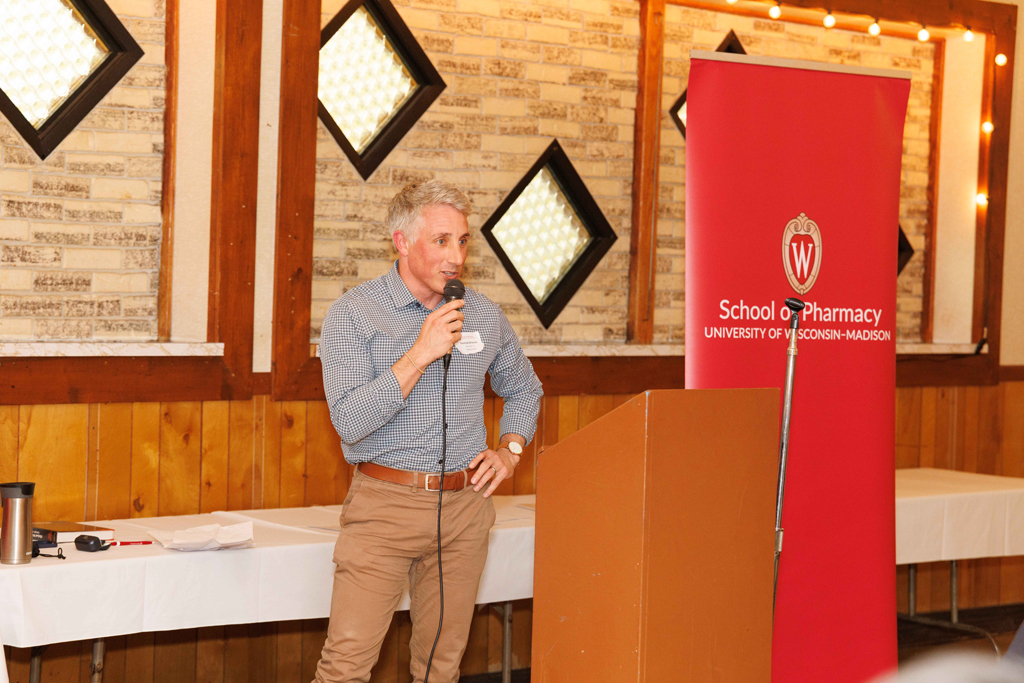
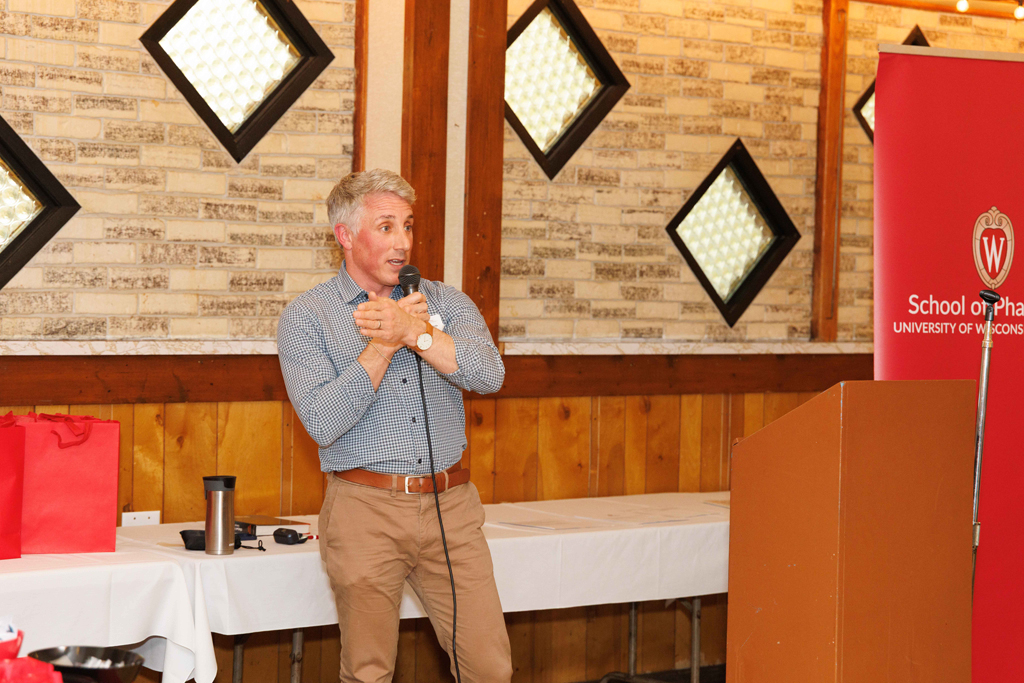
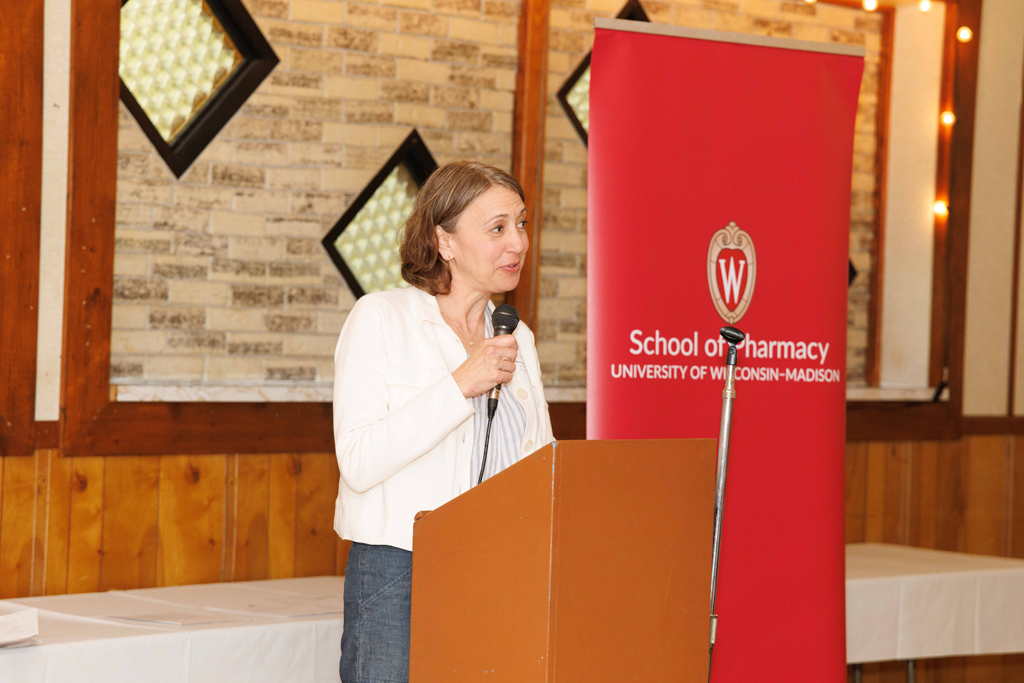
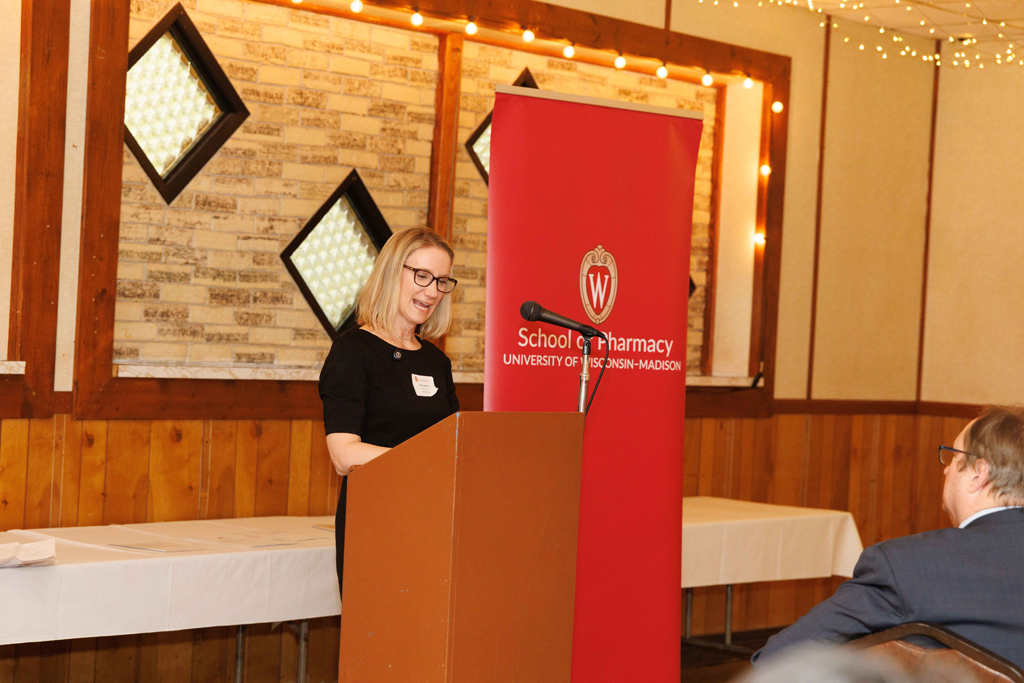
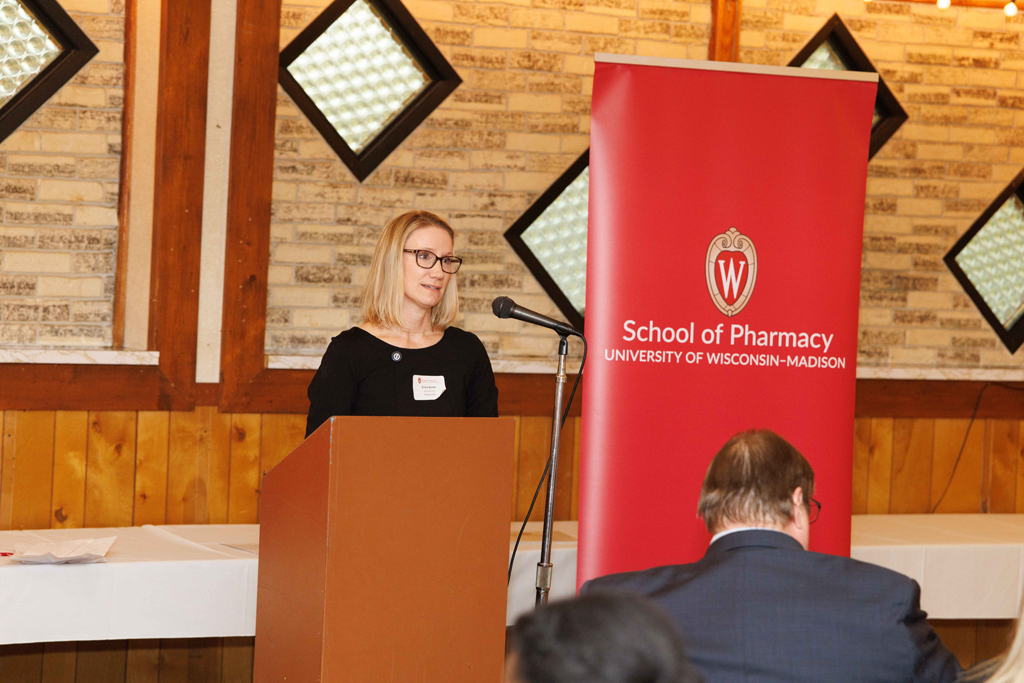
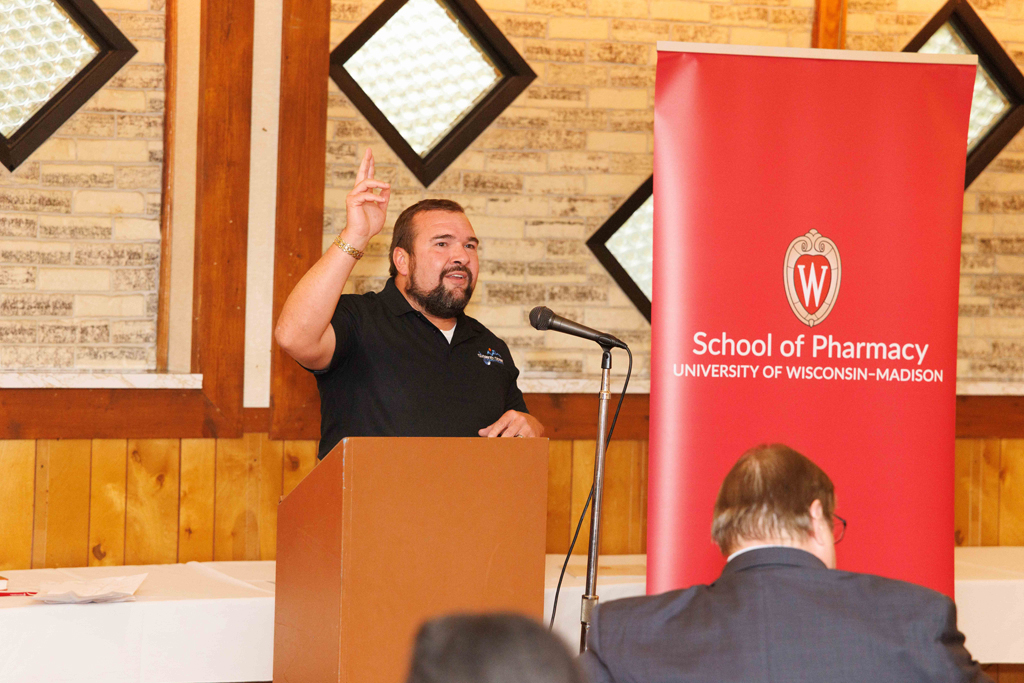
These are just a few examples of how the innovative work of alumni from the University of Wisconsin–Madison School of Pharmacy is affecting patient care. Three Milwaukee-area School of Pharmacy alumni — Tom Dilworth (PharmD ’10), Nick Olson (PharmD ’03), and Erika Smith (PharmD ’06) — shared their accomplishments and the lessons they’ve taken from their successful careers at a Milwaukee Innovators event for pharmacy alumni and friends on April 28.
Associate Professor Ed Portillo (PharmD ’14), associate dean for advancement, was in the audience that night.
“It’s clear that we Pharmacy Badgers give back not only through sharing our immense talents in our workplaces, but also in our communities and beyond through mentoring the next generation of Pharmacy Badgers.”
–Ed Portillo
“I am personally so inspired by the immense impact our alumni have on patient health and wellness, and their description of how the School has uniquely positioned them to be agents for widespread positive change,” says Portillo. “It’s clear that we Pharmacy Badgers give back not only through sharing our immense talents in our workplaces, but also in our communities and beyond through mentoring the next generation of Pharmacy Badgers.”
Olson, one of the evening’s three speakers, shared a similar outlook.
“At a time when there’s a lot of transition going on in our profession, it’s important to know that it’s this professional support that really perpetuates the culture of pharmacy practice in the state of Wisconsin,” Olson says. “Hopefully we’re inspiring this new generation of younger kids to pursue a degree in pharmacy.”
Transforming practice models
“I think we all admit healthcare is broken, right?” Tom Dilworth says. “We’re part of that. How do we fix it?”
Dilworth is the associate vice president of pharmacy clinical services at Advocate Health. After a career as an infectious diseases pharmacist, he took a leadership role on the health system’s pharmacy clinical services team in 2021.
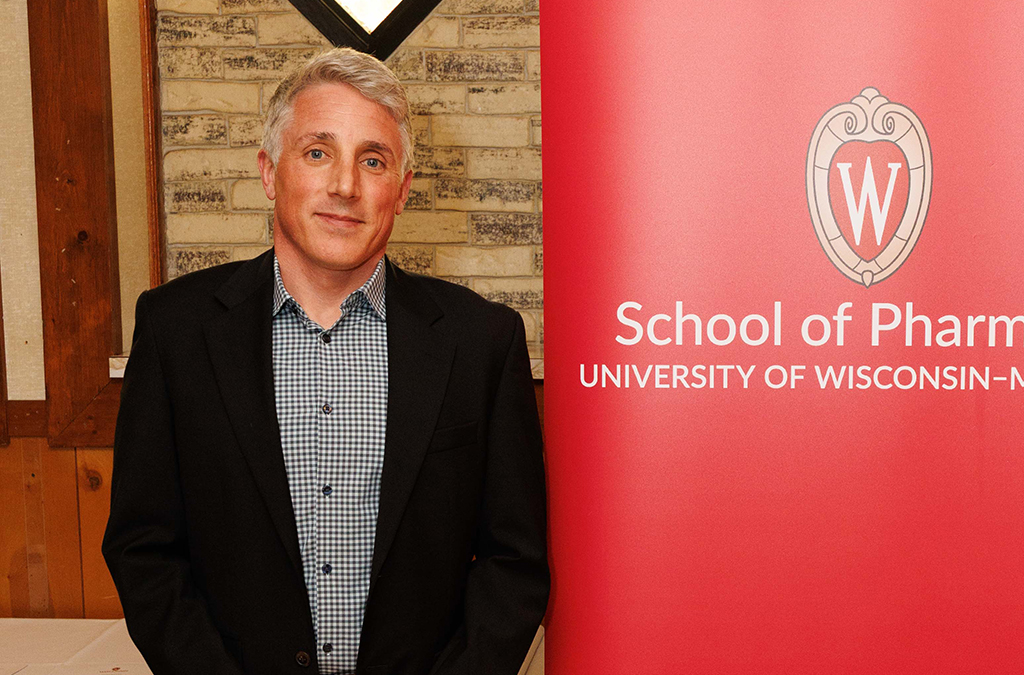
“I started meeting with my leadership colleagues, and we asked ourselves ‘How could we do better?’” Dilworth says.
That “better” took the form of an innovative program to transform heart failure care. Dilworth and his Advocate leadership colleagues launched a pilot program at Carolinas Medical Center in Charlotte, NC with the goal of streamlining care for patients. Instead of a heart failure patient interacting with separate healthcare entities that may not be speaking to each other, the project aimed to “connect those siloes.”
Heart failure patients at the pilot program received guideline-directed medical therapy (GDMT), a multidisciplinary treatment that uses multiple medications.
“Pharmacists are collaborating with the physicians on the inpatient side, getting GDMT started when possible, and getting patients their GDMT prescriptions before they leave,” Dilworth says. “Then they need GDMT titration. On the outpatient side, they’re connecting with a virtual pharmacist and making that happen.”
This program puts pharmacists at the center of care coordination, ensuring that critical information isn’t missed. And it’s proven to be a success. It expanded from Carolinas to six hospitals this year, and Dilworth says the goal is to implement it at 18 of Advocate’s 70 hospitals across North Carolina, Georgia, Illinois, and Wisconsin before year’s end. More than 900 patients have been affected so far, but Dilworth says that’s just the beginning.
“Everyone calls it the ‘heart failure program,’ which it is, but it’s a kind of a misnomer,” he says. “This is actually about practice model transformation.”
Dilworth is also co-leading a $2.5 million Patient-Centered Outcomes Research Institute-funded project to implement improved antibiotic prescribing for children with acute respiratory tract infections in outpatient settings — yet another example of Dilworth’s commitment to meaningfully leverage pharmacists’ unique expertise.
“My job is to put pharmacists in a position to be invaluable,” he says. “We have to find those gray areas that computers and AI can’t take and that only we can do well and efficiently. And that’s what we’re doing.”
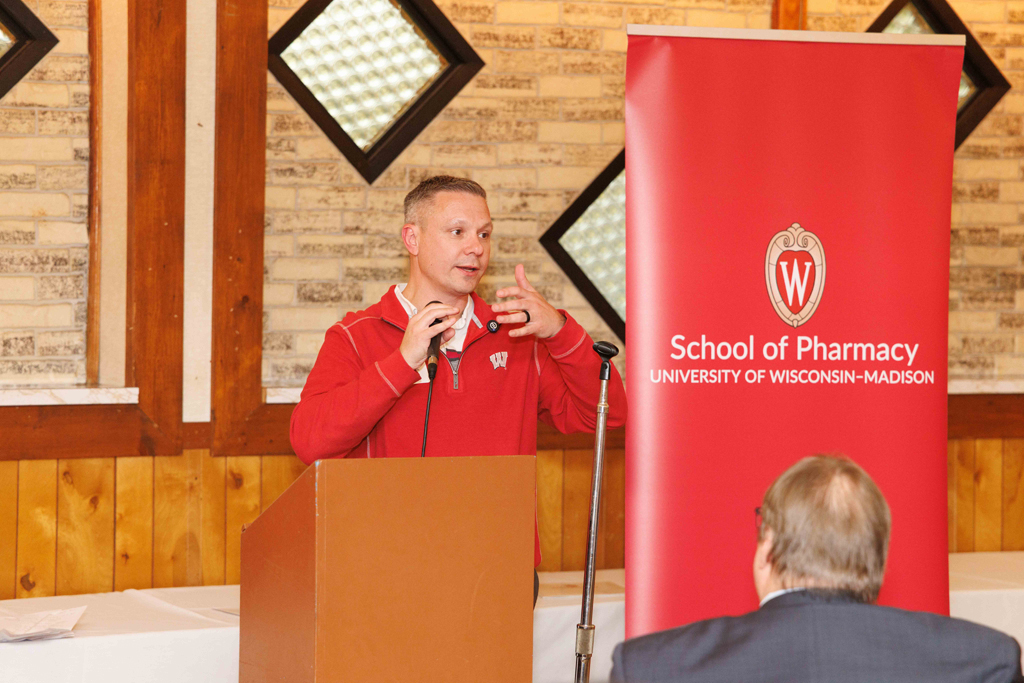
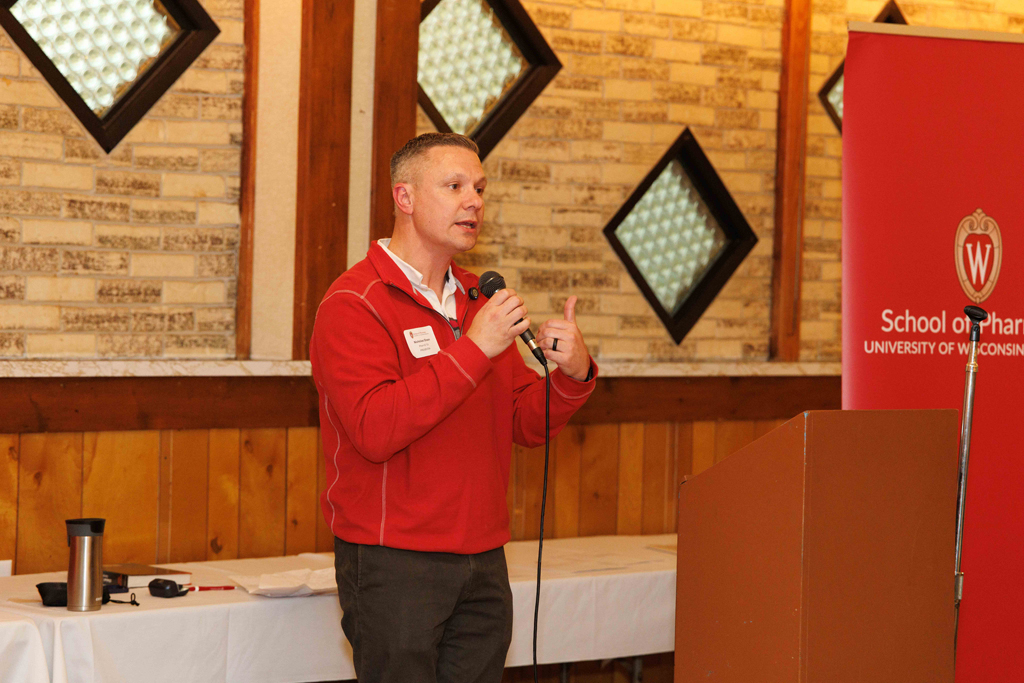
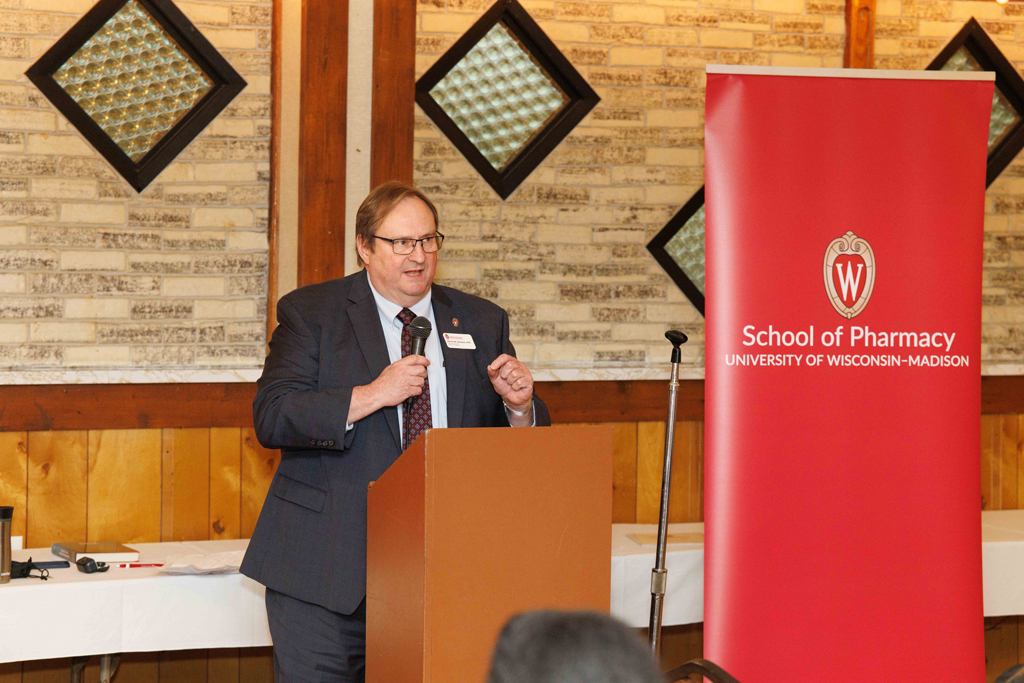 Photo by Jerry Alt












Researching groundbreaking treatments
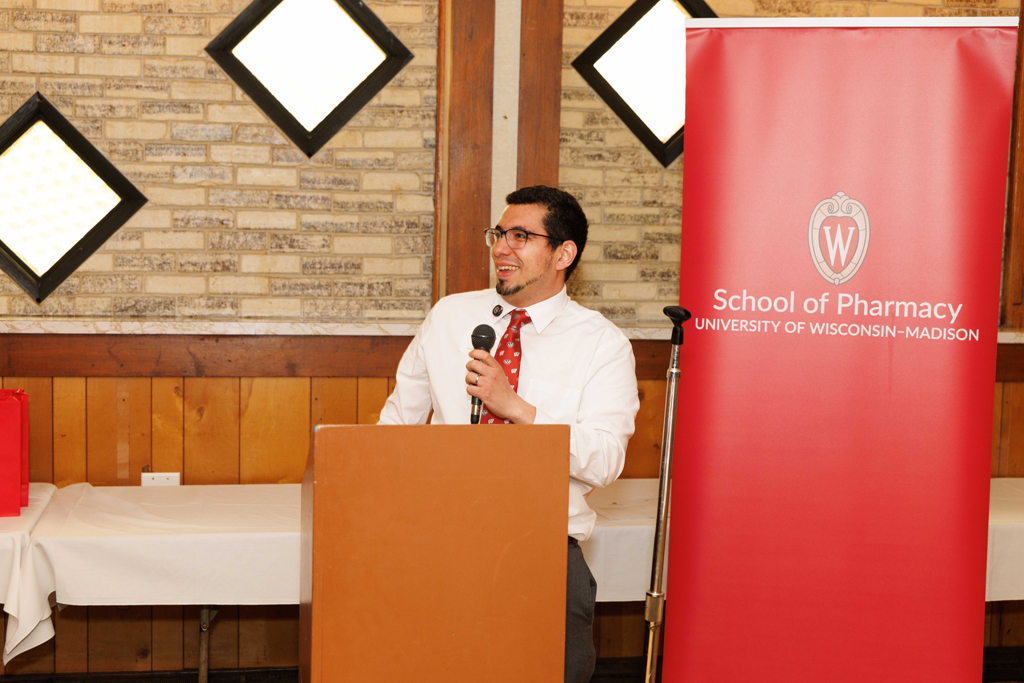
In the ‘80s and early ‘90s, the idea of widely accessible, effective HIV treatment would have seemed like a miracle. Today, it’s real — and Nick Olson is one of the people working to make those treatment options more effective and more accessible. As senior medical scientist in HIV treatment and prevention with Gilead Sciences, his work advances the company’s innovative treatment options.
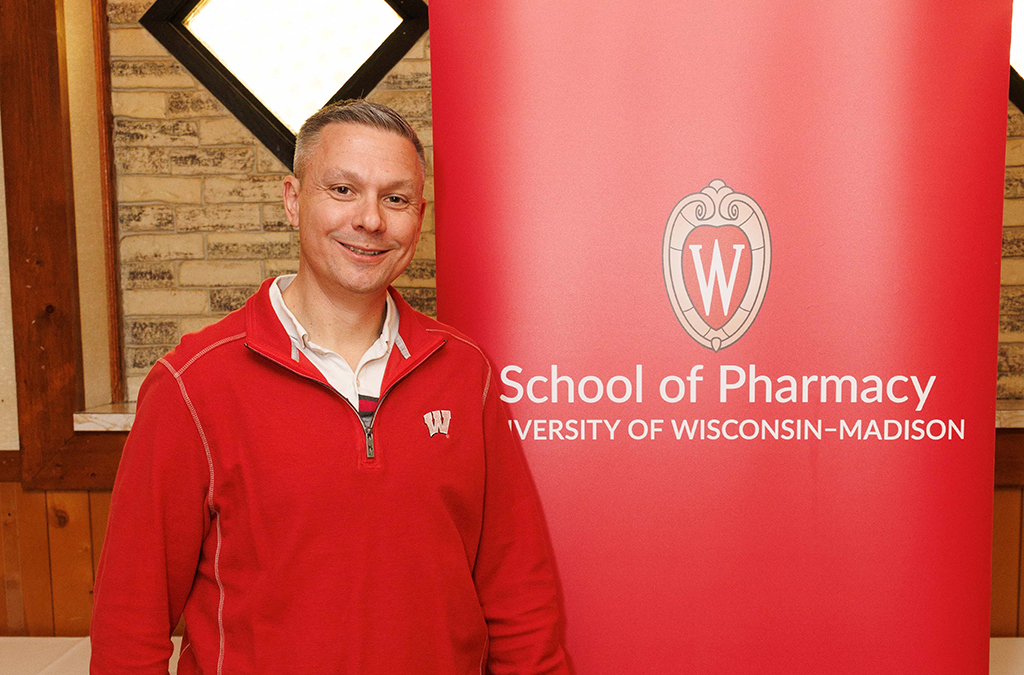
Breakthroughs in HIV care, from single-tablet regimens to pre-exposure prophylaxis, have made HIV preventable and a treatable chronic condition.
“As a pharmacist, I’ve spent my professional career of either helping people go on medicines to prevent them from getting HIV, or if they were living with HIV, helping them get on the appropriate therapies would help them live long and healthy lives,” Olson says.
Before joining Gilead in 2024, Olson worked at Sixteenth Street Community Health Centers in Milwaukee, where he helped develop systems that brought crucial pharmaceutical care to underserved populations. Before that, he spent eight years as the director of clinical pharmacy services at the AIDS Resource Center of Wisconsin (now Vivent Health), overseeing the complex web of pharmacy services that helped people with HIV get the care they need.
Working in medical affairs for the last two years at Gilead, Olson found that he missed direct patient engagement. That led him to the Brady Street STD Clinic in Milwaukee, where he volunteered and is now a member of the board of directors, helping people get the care they need.
“How did I get here?” Olson says. “People along the way supported me, mentored me, guided me, and encouraged me. They were volunteering their work. They were giving their time. They were giving back to the profession. That is what perpetuates the culture that we have created of pharmacy practice in the state of Wisconsin.”
Leading patient care
When Erika Smith first began to consider a healthcare career, she wasn’t sure “pharmacy would fit.” That changed when the she, as a young student, shadowed pharmacists for the first time at Aurora Sinai hospital and saw the crucial role they played in caring for patients.
Today, she is the executive director of access operations at Froedtert ThedaCare, but before that her career took many turns. As a pharmacist at Froedtert, she helped standardize high-risk medication management and expanded pharmacist-led clinic services. Her work simplified the patient access points for high-risk medications like warfarin and create a standardized and safe model.
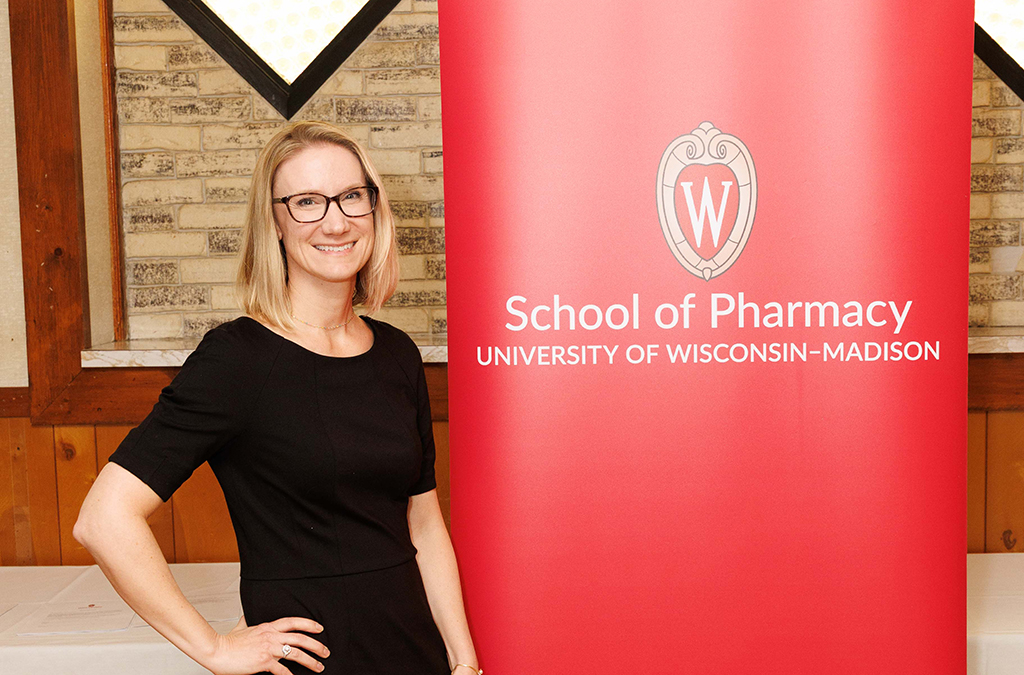
“That was one of my first proof points that designing the right care model changes patient outcomes,” she says. “I realized that I didn’t just enjoy solving medication problems. I like solving system problems.”
As she took on leadership roles, she helped implement a digitally enabled diabetes management program that has now supported more than 15,000 patients.
Her current role takes her outside of pharmacy, but she says, “the skills I developed in pharmacy translated directly into systems managing risk, centering decisions on patients and working across teams.”
When the COVID pandemic hit in 2020, she helped create a centralized access model for care, as Froedtert fielded more than 120,000 calls during the first few months, all while triaging patients and coordinating testing.
“It was chaotic, but it showed me what’s possible when you align teams around a shared mission,” she says.
Smith described her current work at Froedtert ThedaCare as the “front door to care.” She leads a team of 300 working in scheduling, triage, and access.
“Your pharmacy degree is your foundation,” she says. “The way you’ve been trained to think about systems, safety, and patients is incredibly valuable in more places than you might think. Some of the most impactful work I’ve done started when I stopped asking, ‘What is the role for pharmacy?’ and started asking, ‘Can I uniquely contribute to the problem we’re trying to solve?’”
Connect with Erika Smith Connect with Nick Olson Connect with Tom Dilworth
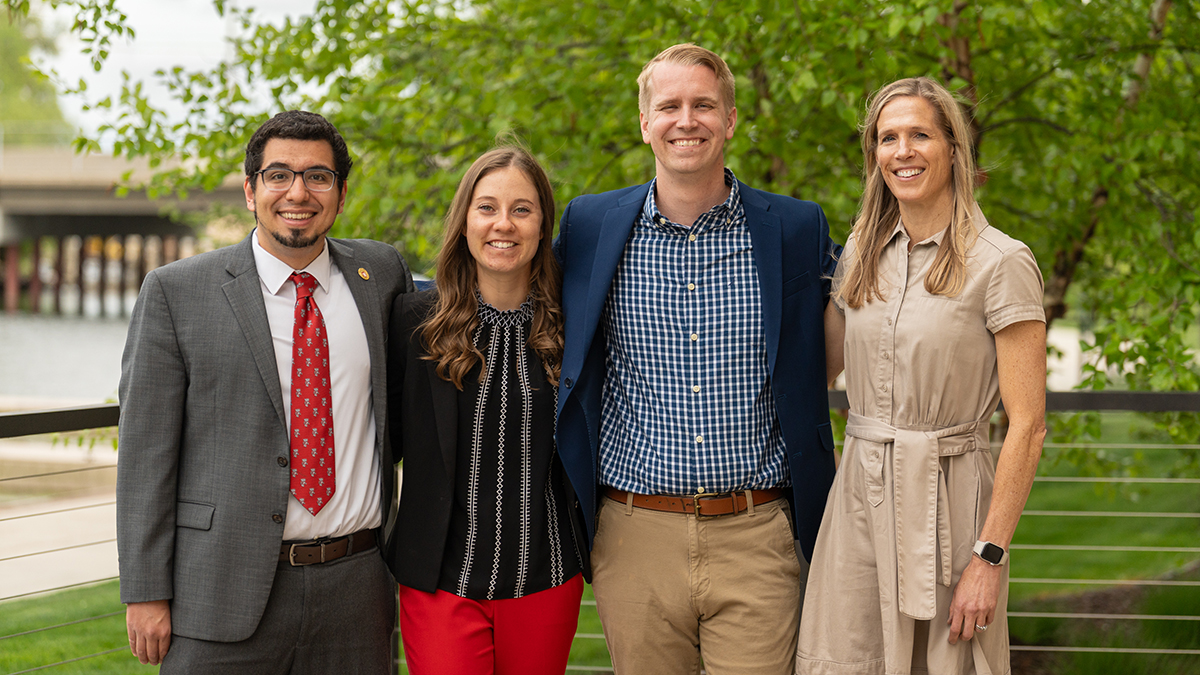
From developing personalized care models to bridging healthcare access gaps, three Madison-area alumni highlight new ways of moving the pharmacy industry forward.