By working with alumni, the School of Pharmacy’s PharmD Curriculum Committee is refining coursework that prepares students for the future
When Kristin Harney (PharmD ’16, MS ’18) joined UW Health in 2016, healthcare looked different. Over the following decade, the University of Wisconsin–Madison School of Pharmacy graduate saw the health system grow and watched as new technologies and emerging therapies shaped her career. Most recently, as pharmacy manager of ambulatory clinics and infusion services, she helped young pharmacists learn new skills and adapt to rapid changes in the industry. Now, she’s doing the same on a broader scale.
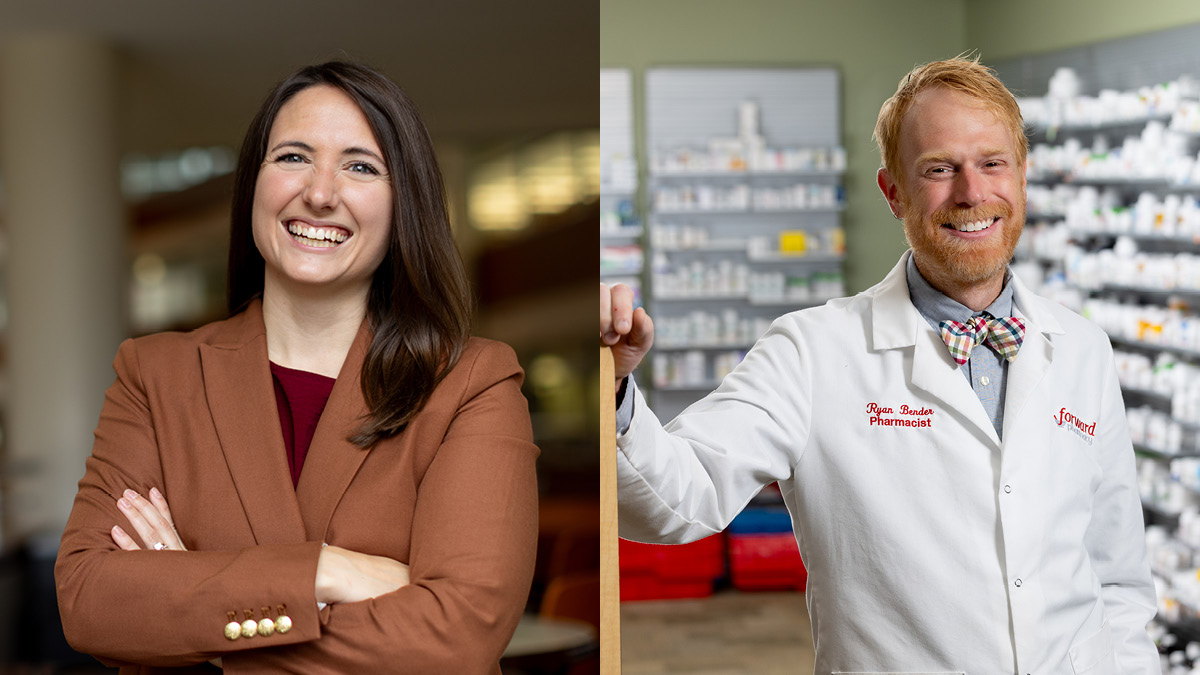
Every month during the academic year, Harney brings that on-the-ground expertise back to her alma mater as an alumni member of the School’s PharmD Curriculum Committee. She and Ryan Bender (PharmD ’05), who recently founded Qual-i-tee Pharmacy in Madison, are the only two members of the committee who are entirely outside of academia.
“They see how students are performing, and they see exactly how our curriculum is translating into the practice setting.”
–Casey Gallimore
Their involvement is an active effort to ensure that the School’s curriculum reflects the latest in community pharmacies and health systems across the country. Similarly, the School’s PharmTox program recruits alumni to provide curriculum input through their Admissions and Oversight Committee.
“Having alumni on the curriculum committee is crucial because they bring a unique perspective,” says Casey Gallimore (PharmD ’05, MS ’13), professor of pharmacy and chair of the PharmD Curriculum Committee. “As alumni, they went through our program in its entirety, and now as practicing pharmacists they’re interacting with our students during experiential training. They see how students are performing, and they see exactly how our curriculum is translating into the practice setting.”
On-the-ground contributions
Bender often calls into curriculum committee meetings in between filling prescriptions. Before opening Qual-i-tee Pharmacy, Bender was the director of clinical services at Forward Pharmacy, where he was a longtime preceptor for School of Pharmacy students. During one committee meeting, that experience mentoring future pharmacists brought a new idea to the table.
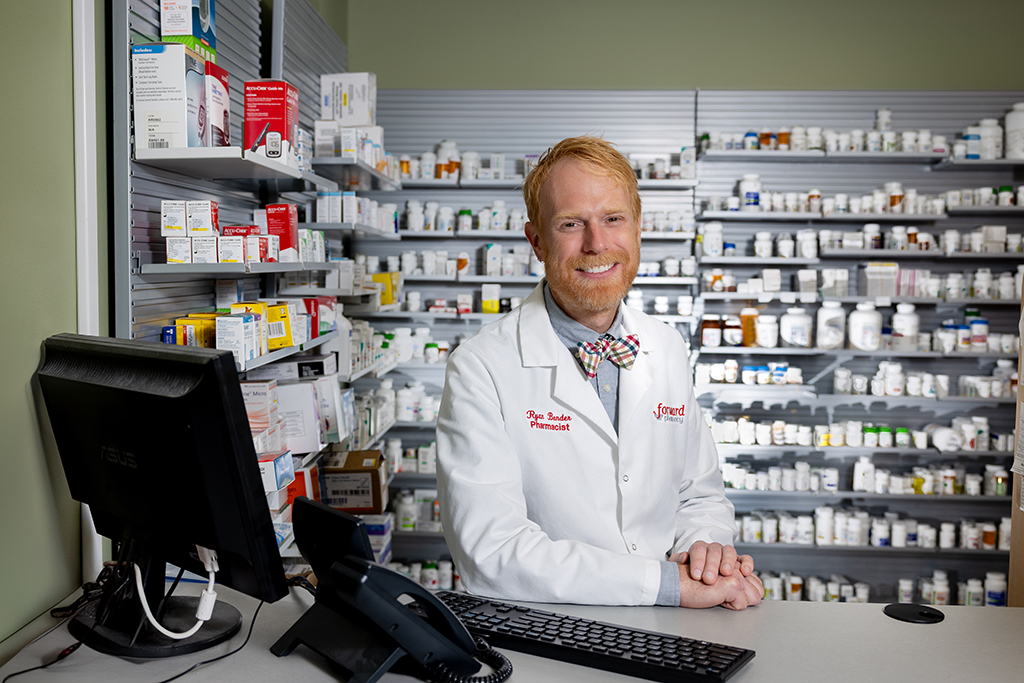
The committee was creating a document naming and defining foundational attributes the School should cultivate in its PharmD graduates to ensure their success. Bender realized one was missing: The most successful students he had seen were the ones who, for example, pick up the ringing phone without being asked, after they’ve seen Bender do it a few times. With a positive attitude, they proactively seek out ways they can help. That initiative and attitude, Bender told the committee, is a differentiating factor in a practice setting. His contribution became part of the final document.
“Community pharmacy and health system pharmacy are really two different fields,” Bender says. “Kristin and I see different issues, different things happening in our work, and we bring those insights to the curriculum committee.”
Harney recently brought up something she’d been seeing at UW Health. A few younger pharmacists who had been trained during the COVID pandemic were struggling with some of the more interpersonal aspects of the work: asking questions and developing rapport with teams. That feedback highlighted the importance of continuing to develop interpersonal and interprofessional skills, even more so in the age of virtual meetings and telehealth, when it can be easy to forget those essential aspects of pharmacy.
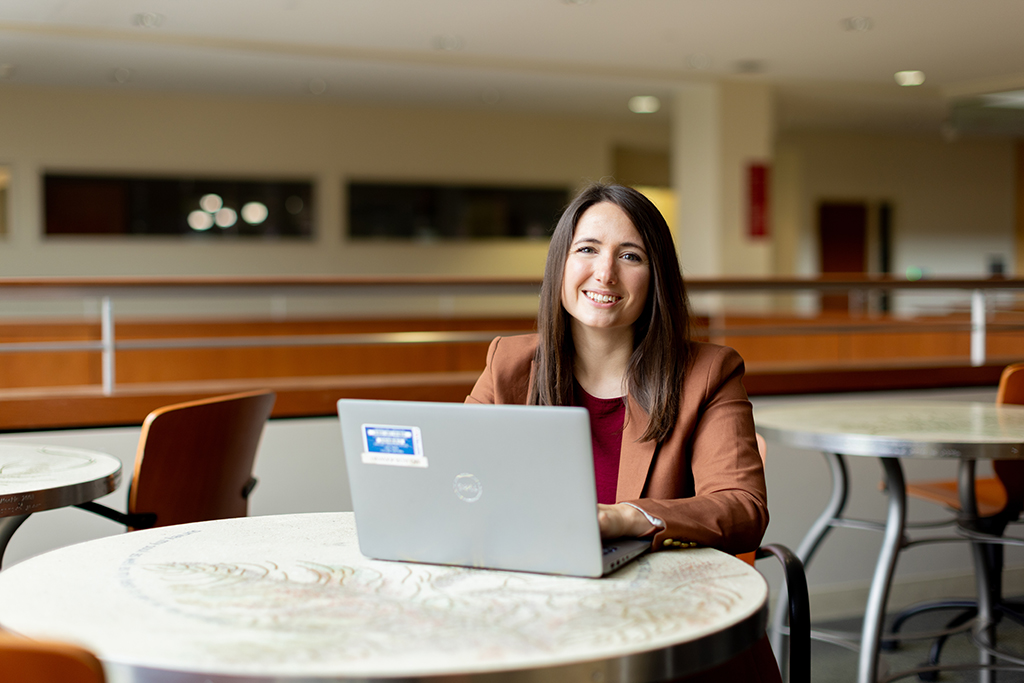
Health system pharmacists are also facing an evolving role, one that sees them taking on different responsibilities from the ones Harney did when she entered the workforce in 2016.
“Our pharmacists are now working much more in ambulatory practice,” she says. “The growth of complex and high-cost medication use in specialty care has led to expanded opportunities for pharmacists to serve as stewards of appropriate medication use in the clinic, infusion center, and in the home, broadening the spectrum of what a pharmacist can do within a health system.”
Harney is also witnessing firsthand how health systems are grappling with AI. As the School shapes its curriculum to address this emerging technology, she has provided insight into how the new pharmacists she sees use it, as well as how UW Health is approaching it.
“We’re considering how to use this as a valuable tool both for preceptors and faculty — but we’re also recognizing that our learners are using this,” she says. “So it’s crucial that we coach them in how to use AI appropriately, so it doesn’t take away from critical thinking skills, from the true didactic core principles of learning.”
Preparing for the future
Alumni have been represented on the School’s PharmD Curriculum Committee since 2014, first by Marie Pietruszka (BS ’91, BS ’92, PharmD ‘94), former inpatient pharmacist at UW Health, followed by Tony Peterangelo (PharmD ’03), also a managing pharmacist at Forward Pharmacy in McFarland.
Bender and Harney have both been involved since 2021, overseeing curricular refinements like the integration of pharmacology and pharmacotherapy into a cohesive course series, a new course in managed care, and the expansion of PharmD pathways to help students tailor their degree.
More recently, Bender and Harney have helped review development of a “visual curriculum.” The new graphic is being created to depict the PharmD curriculum as an accessible visual — something current students can consult and potential future students can review during the application and admissions process.
“As a student, you might not realize how much goes into the courses you’re taking,” Bender says. “Having seen the other side now, I can tell you that nothing is by accident. Every word on every curriculum document is carefully chosen and agonized over — because our goal is to graduate the best class of pharmacists every year.”
In many ways, the visual curriculum is a demonstration of all the work the curriculum committee does, a look at a curriculum that is constantly evolving to meet the vast and complex needs of both the pharmacy industry and students.
“As practicing pharmacists, our alumni members have their finger on the pulse of pharmacy,” Gallimore says. “They see the changing needs, the changing priorities and goals, which is crucial. We are continually updating our curriculum to ensure it’s preparing our students to meet the latest challenges of healthcare.”
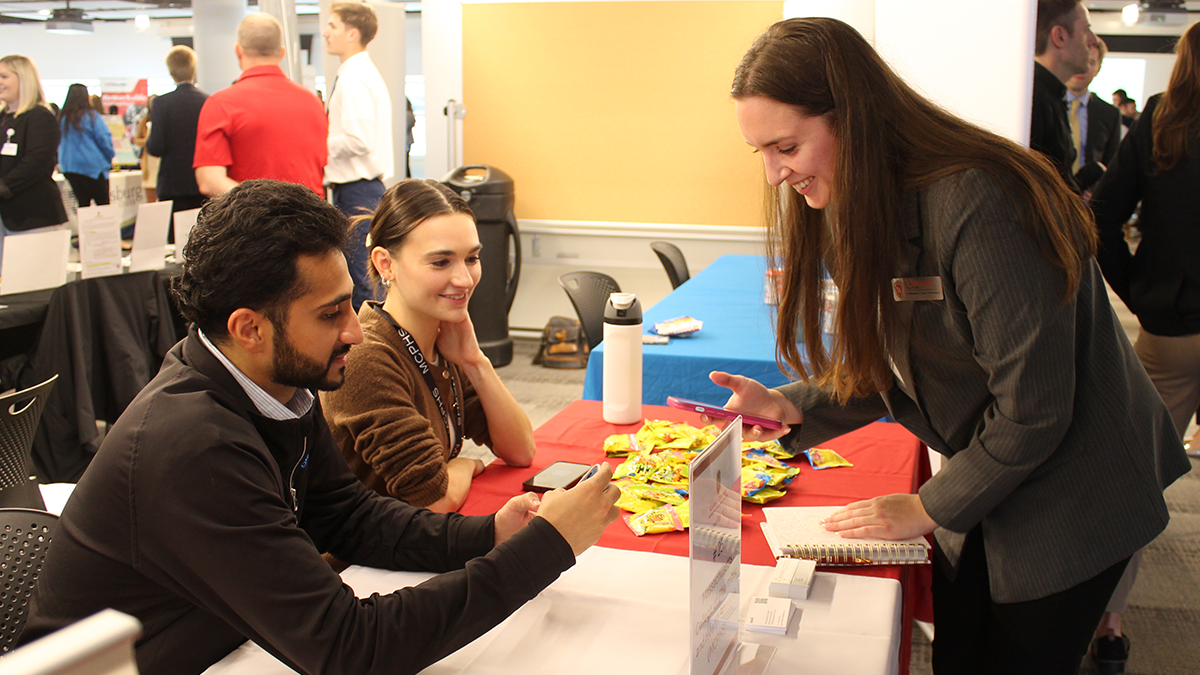
With industry fellowships on the rise, the School of Pharmacy is giving students the tools, networks, and training to compete.
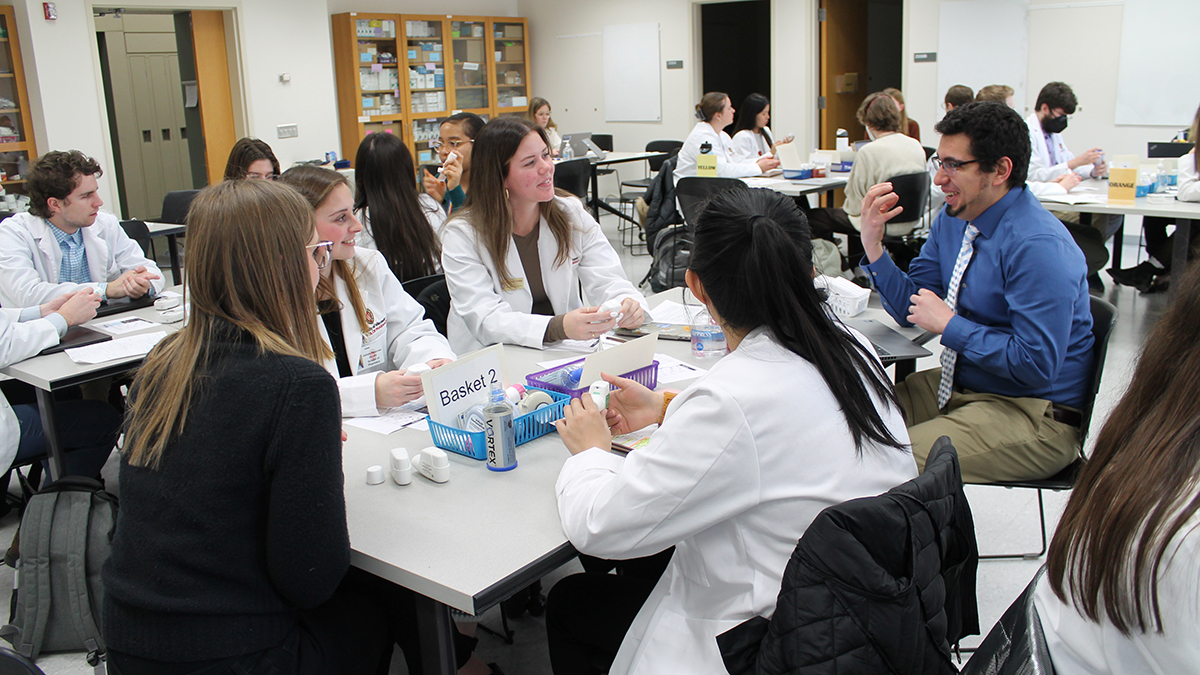
With a new integrated curriculum, the School of Pharmacy is helping students connect the science of how drugs work with how they’re used in real-world practice.