From developing personalized care models to bridging healthcare access gaps, three Madison-area alumni highlight new ways of moving the pharmacy industry forward
The Wisconsin Idea is built on the foundation that the work of the University of Wisconsin–Madison does not stop at the boundaries of campus, or even the state. For our UW–Madison School of Pharmacy alumni, the Wisconsin Idea is a daily practice.
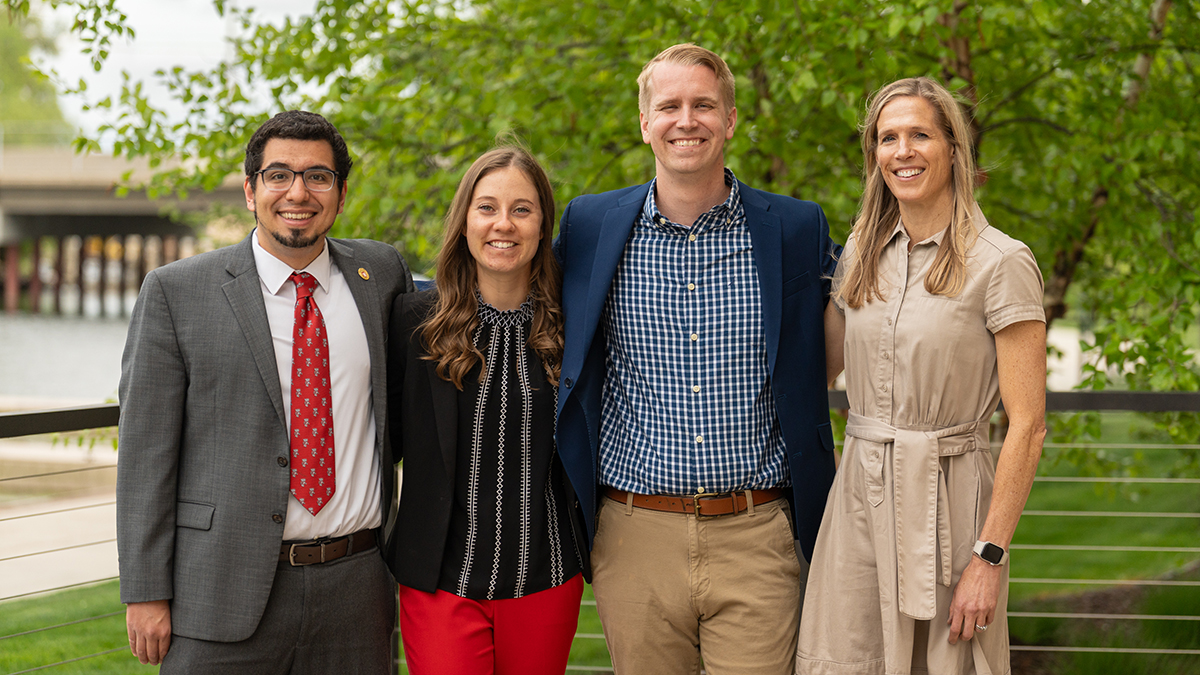
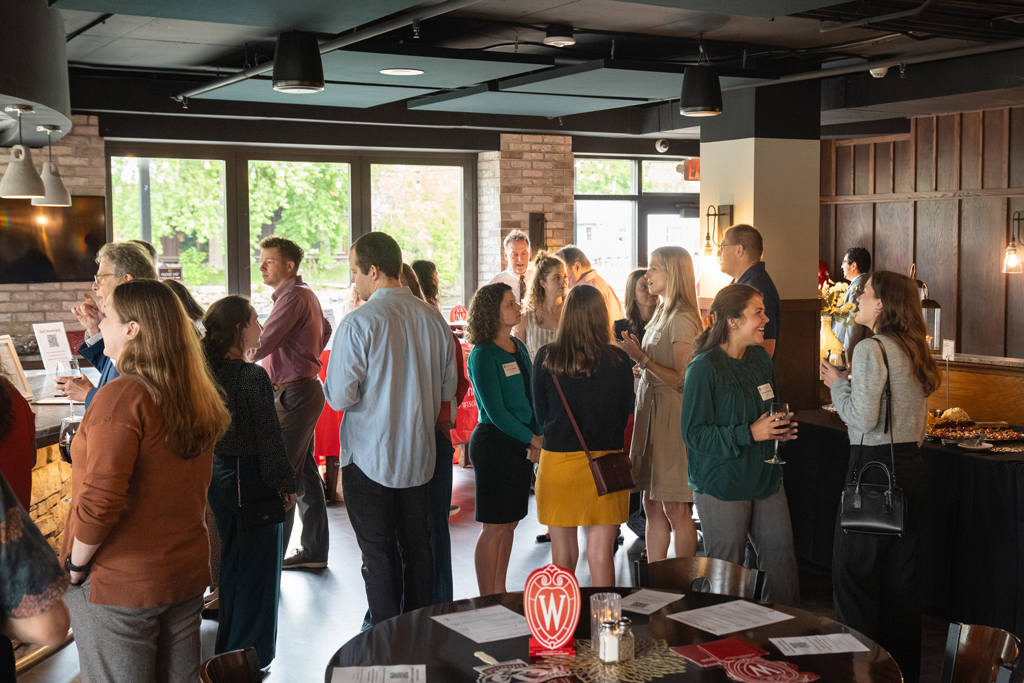
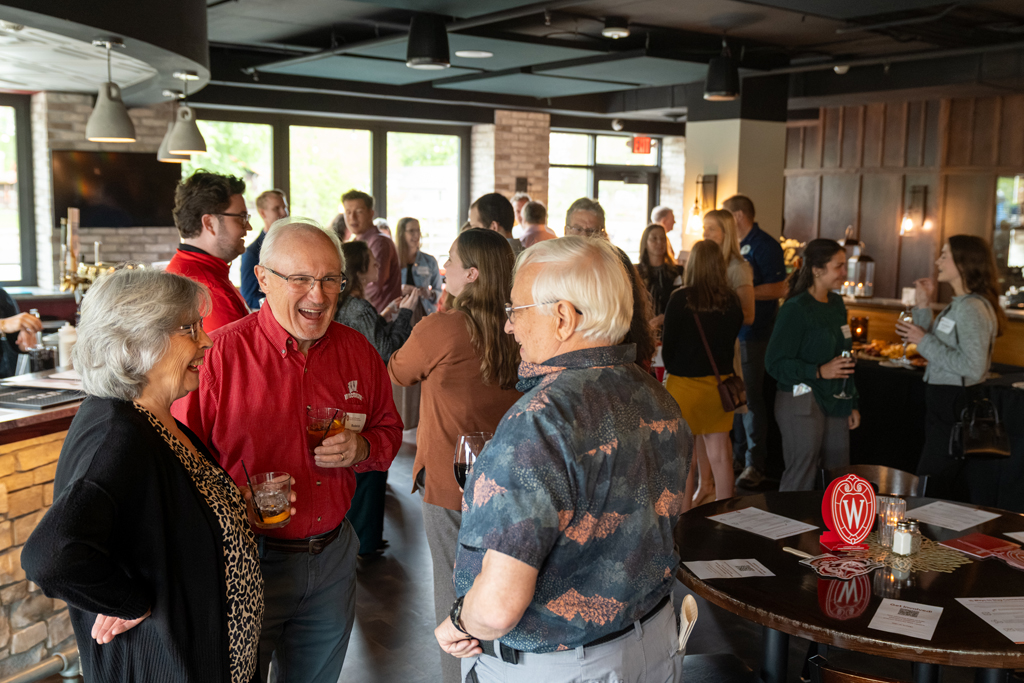
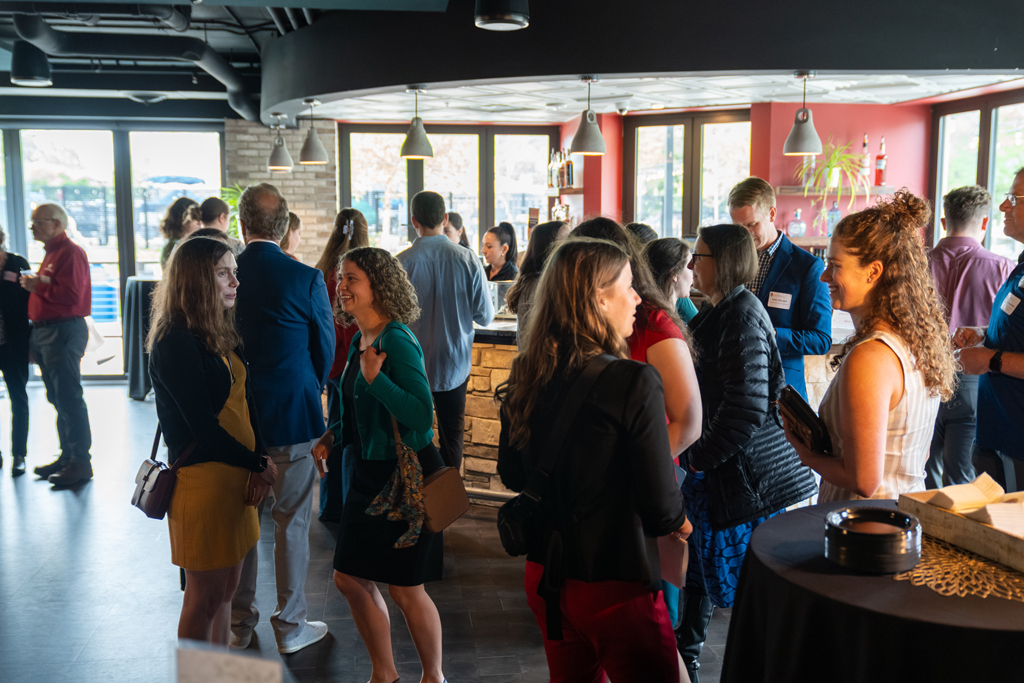
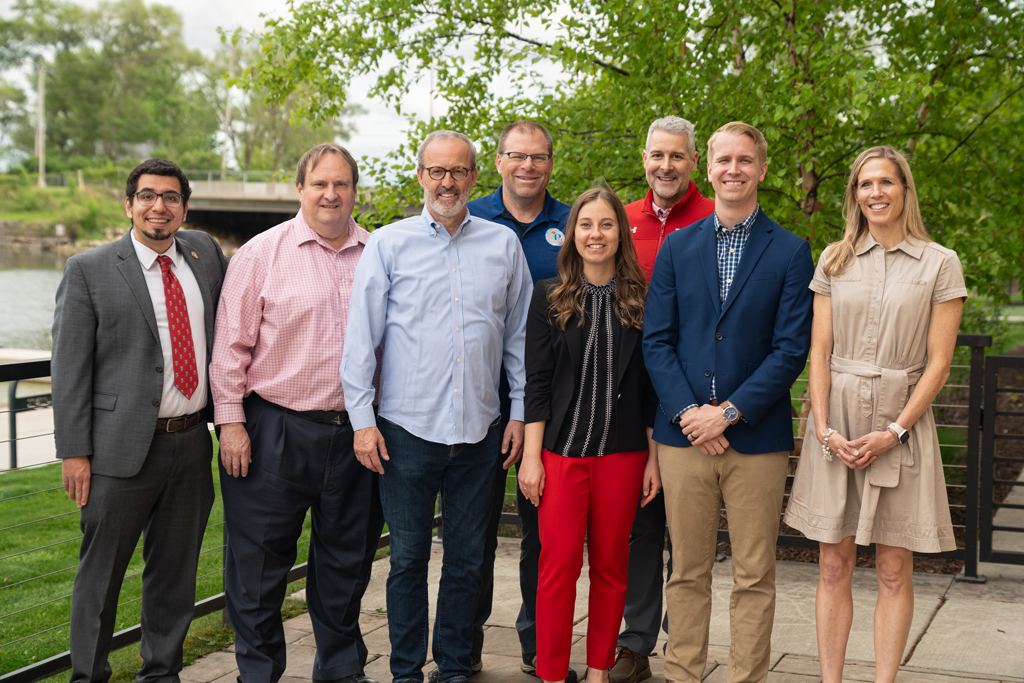
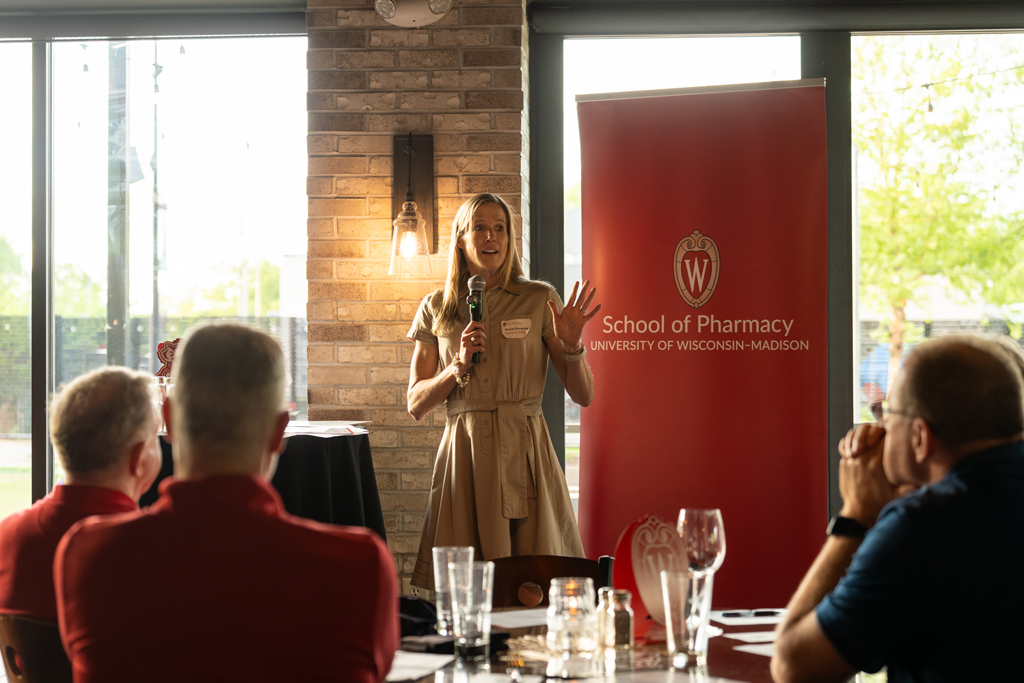
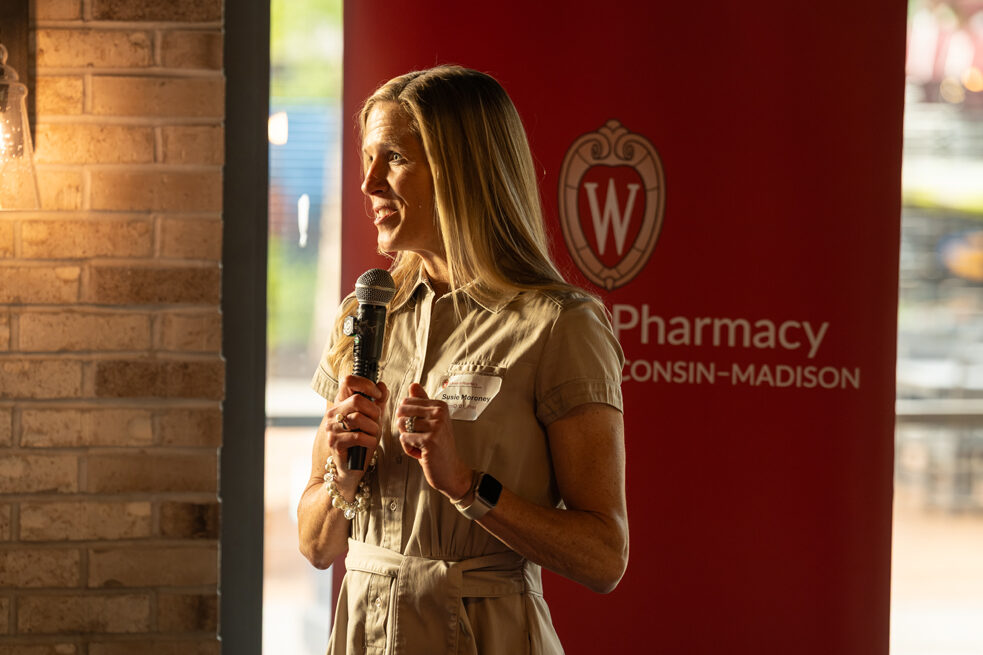
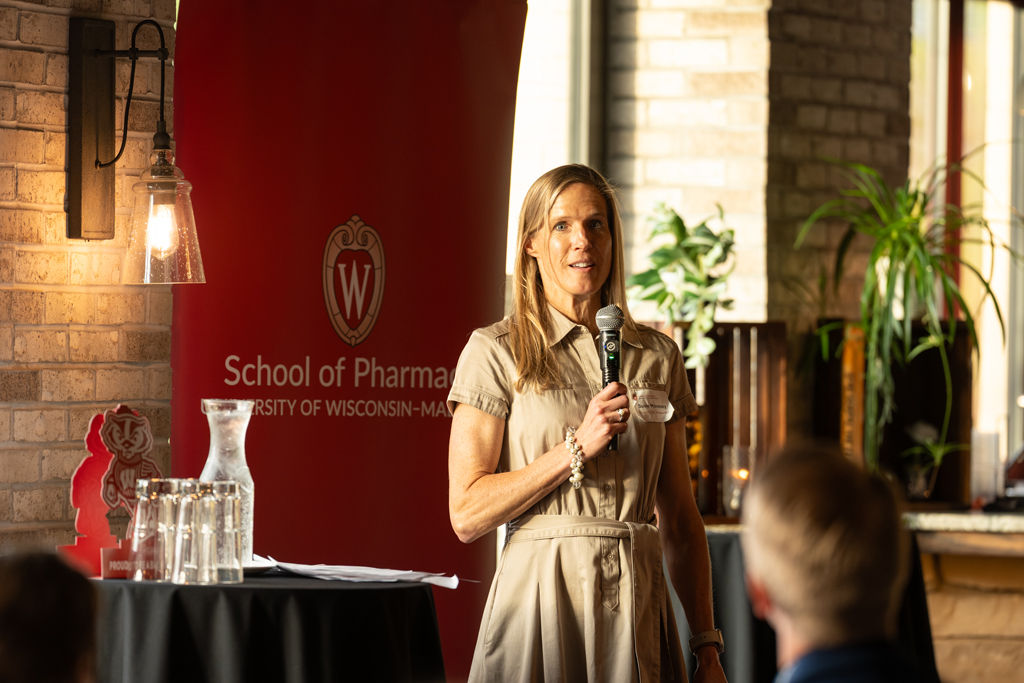
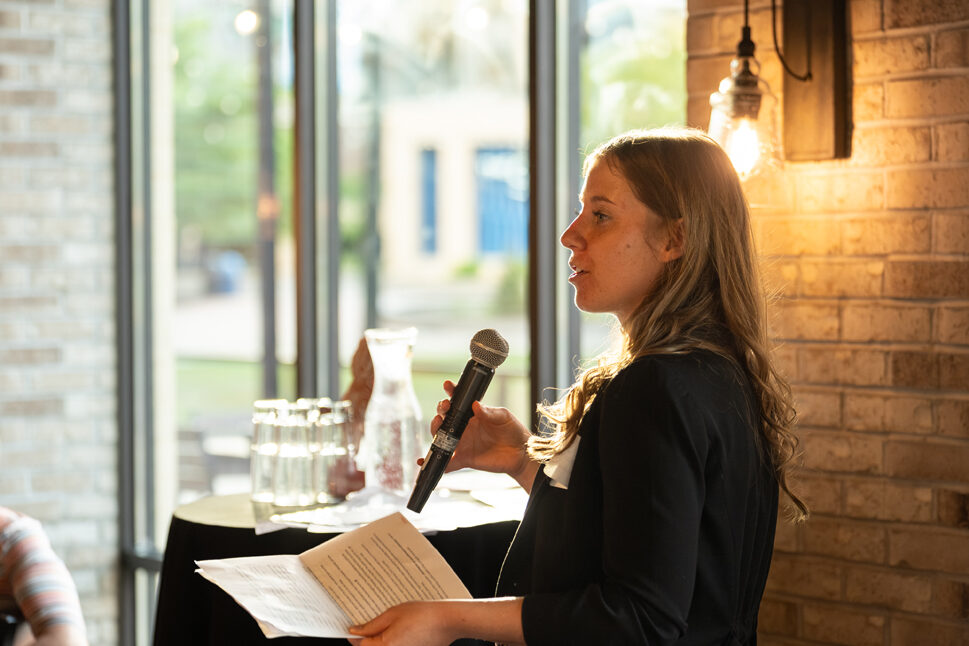
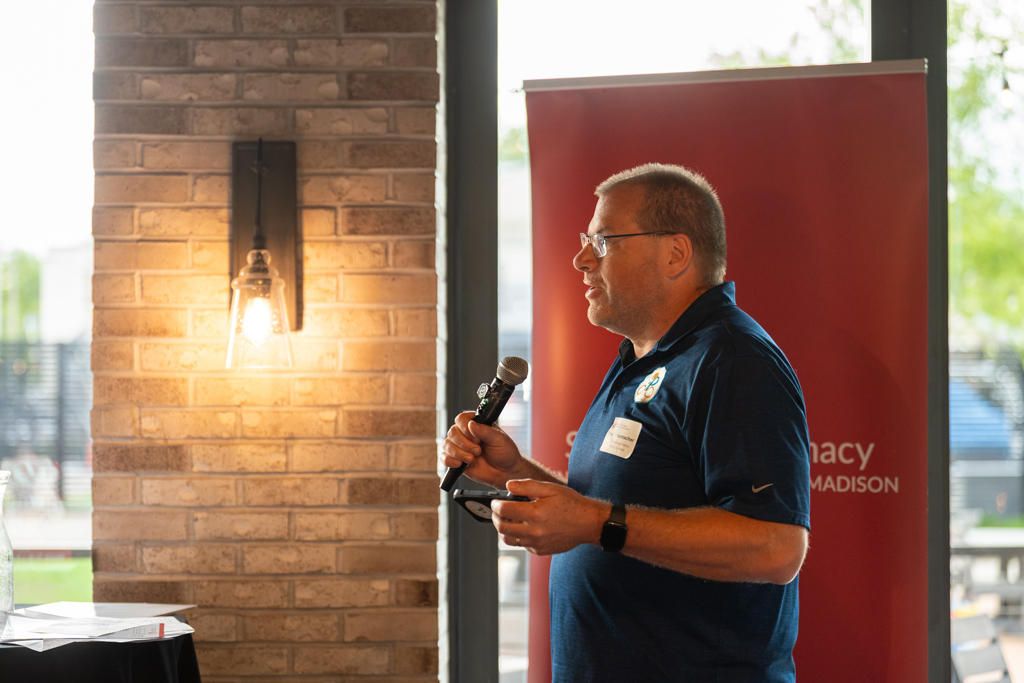
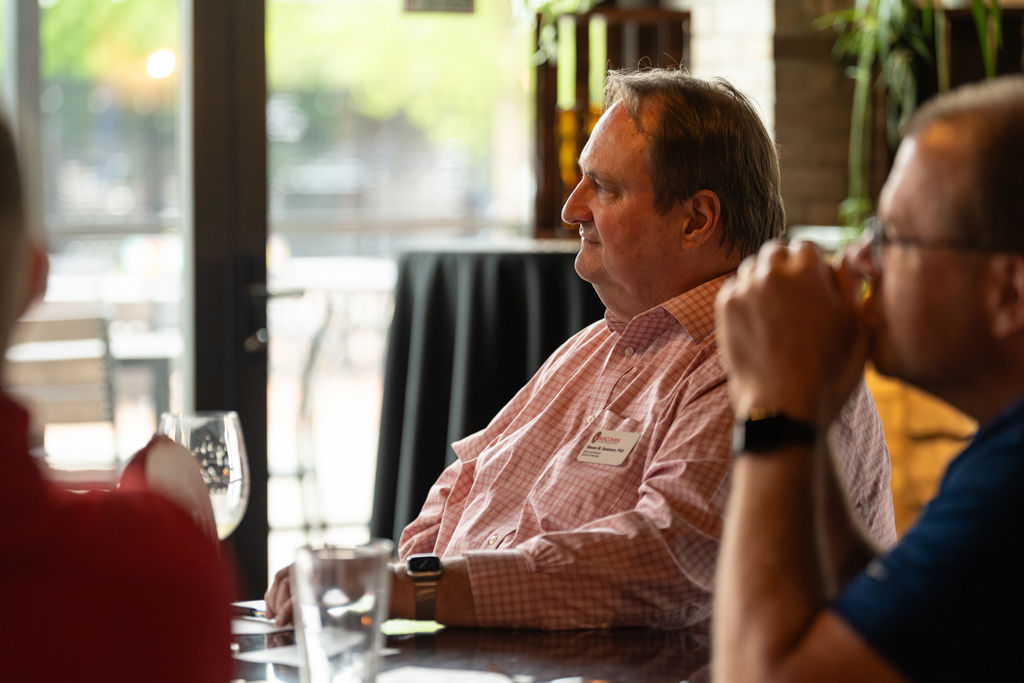
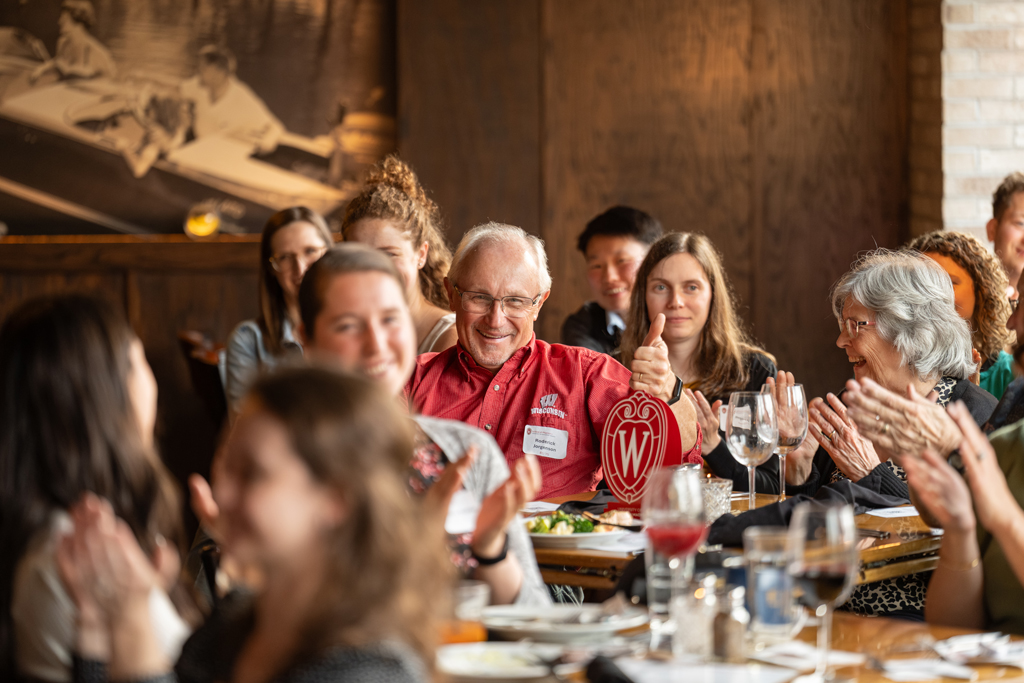
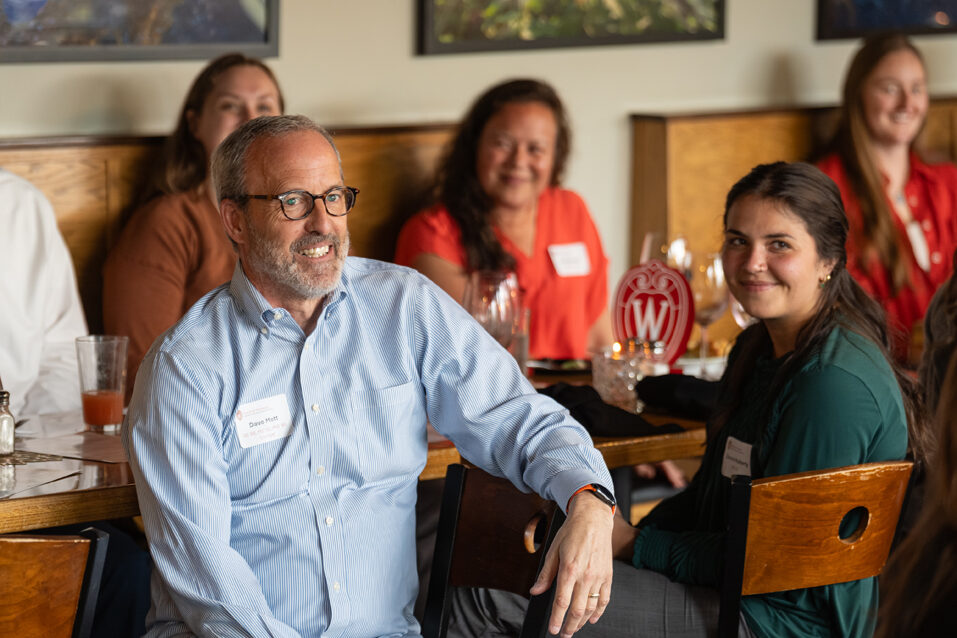
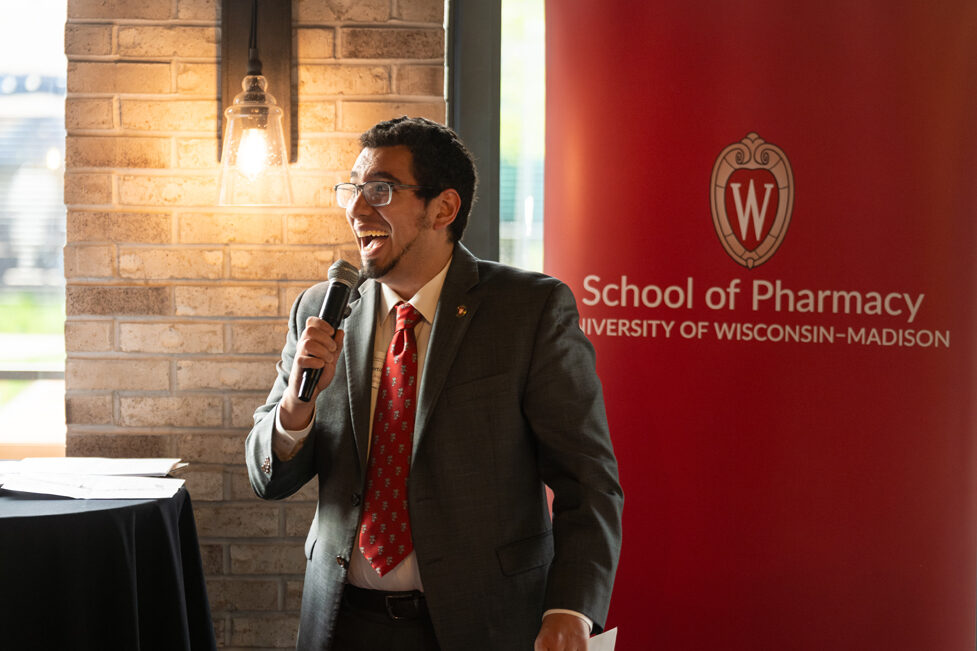
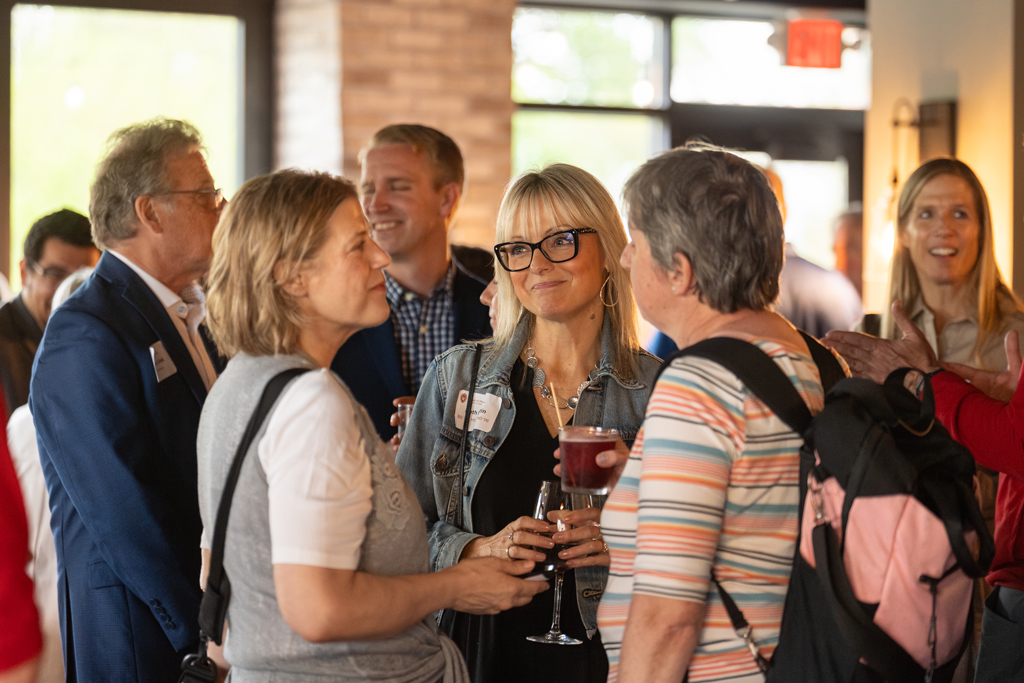
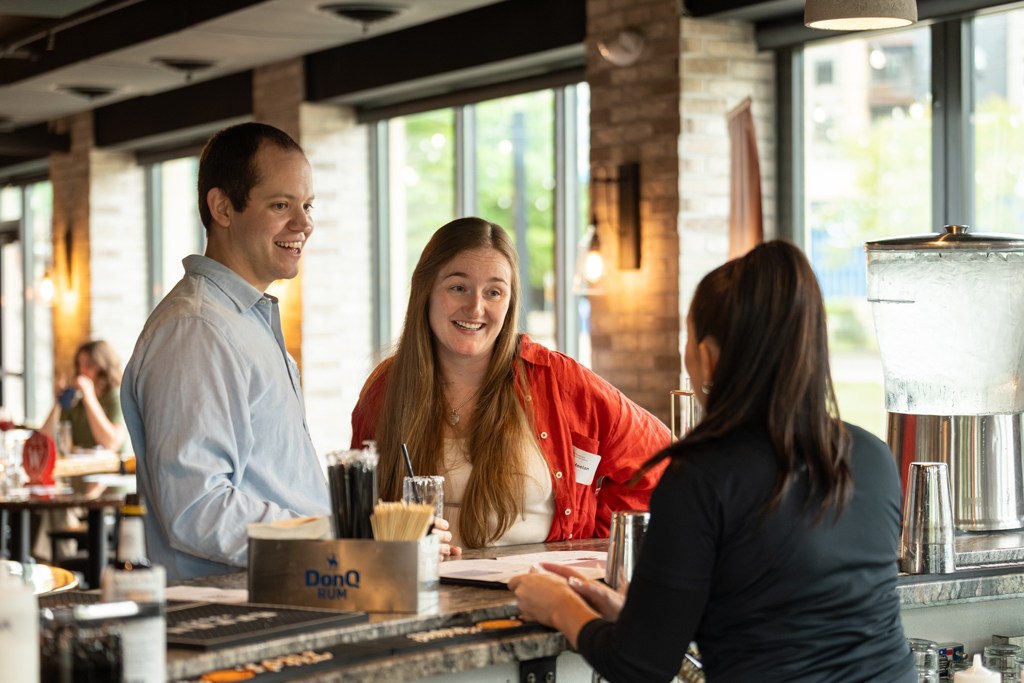
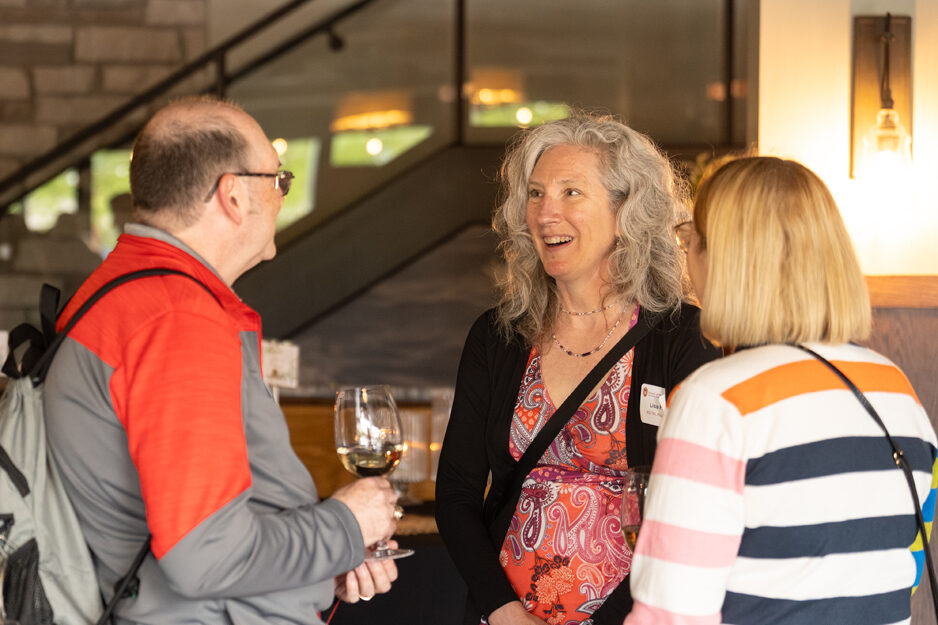
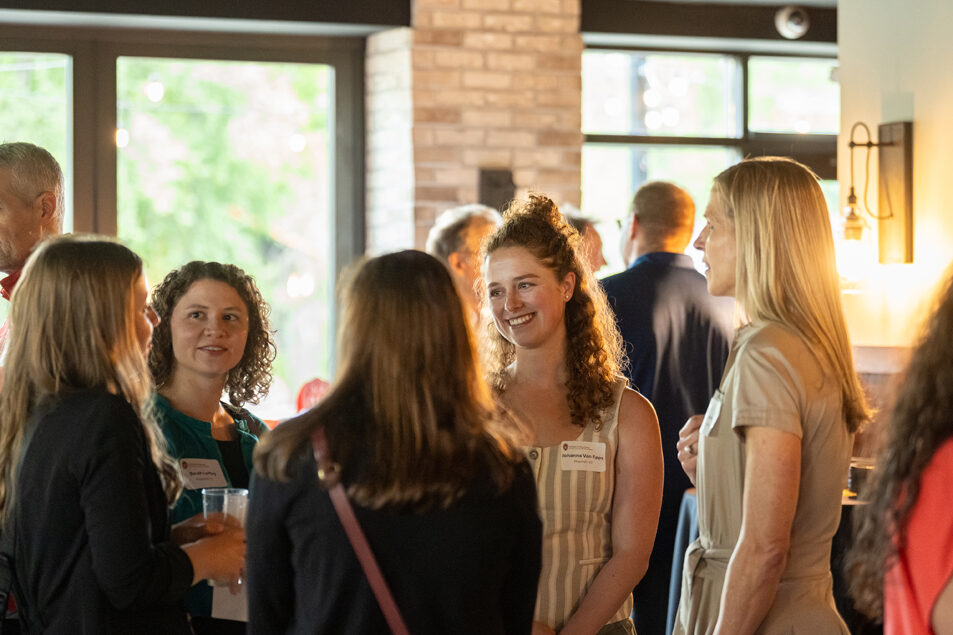
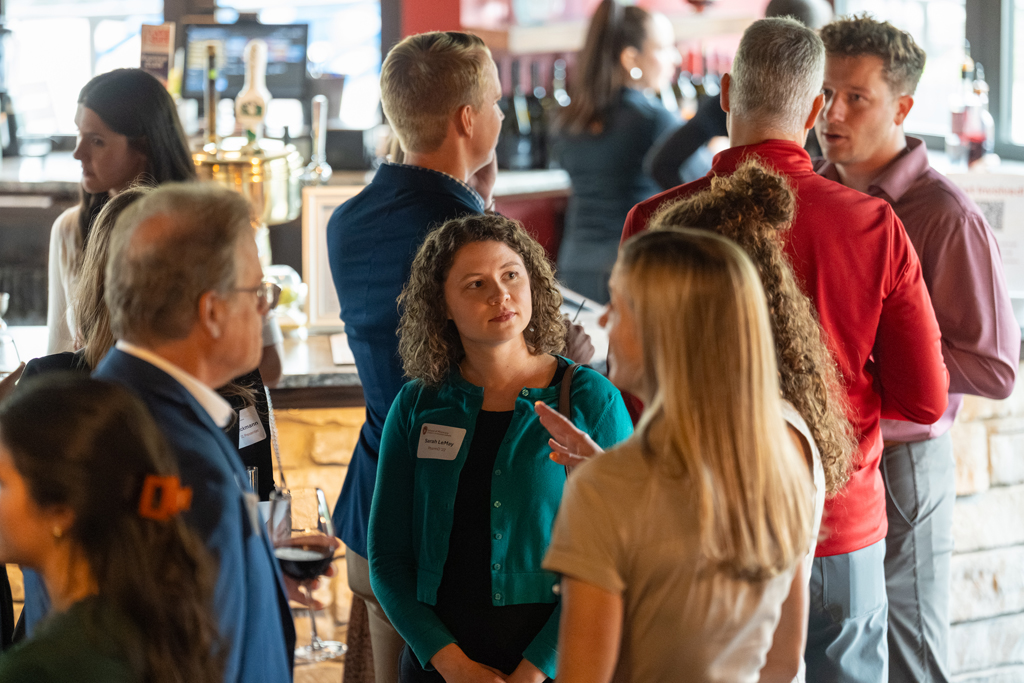
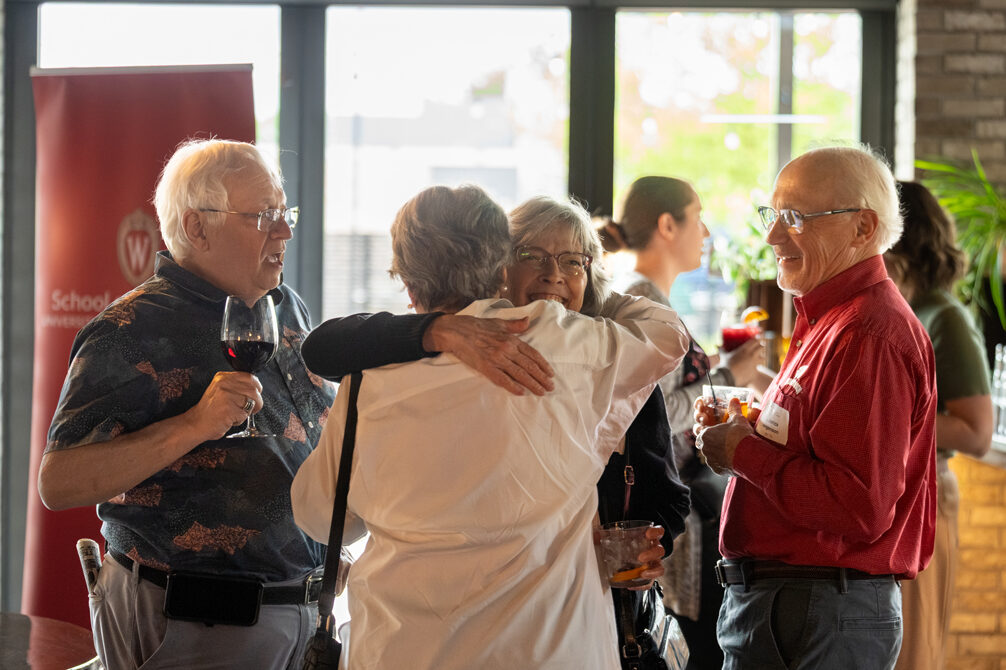
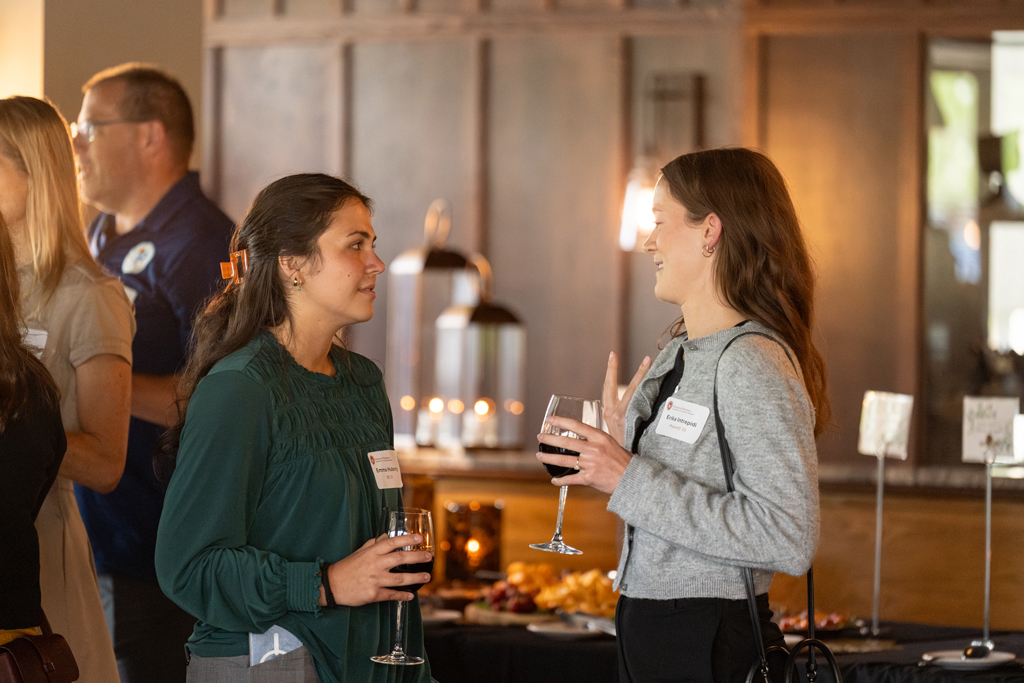
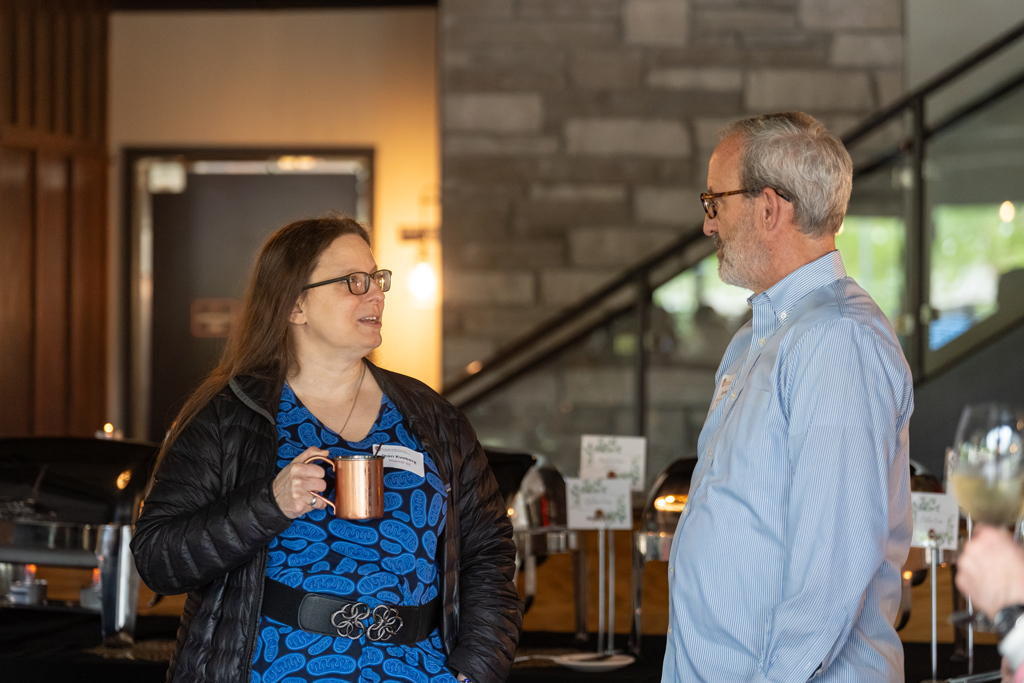
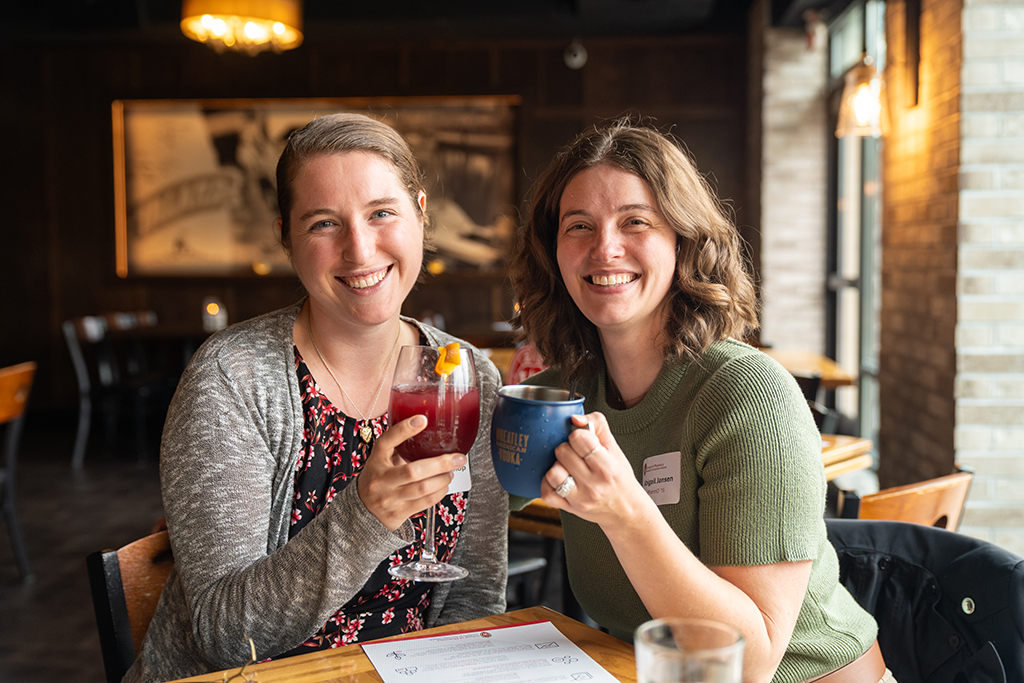
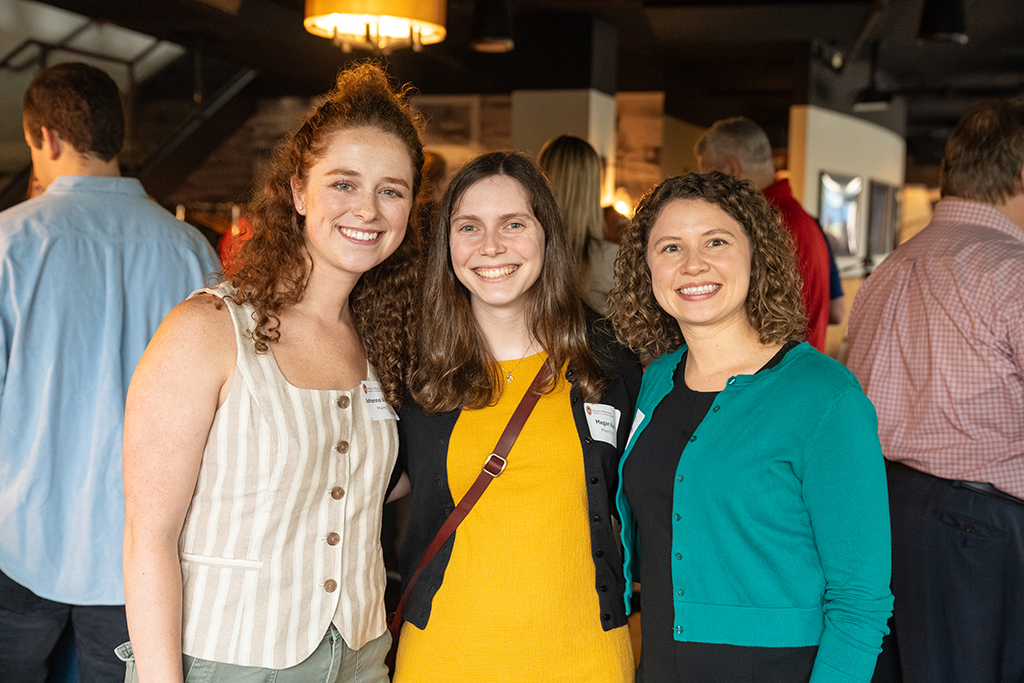
Alumni Tyler Albright (PharmD ’21), Emma Hickmann (PharmD ’22) and Susie Moroney (PharmD ’01) highlighted their remarkable work to advance patient care on multiple levels at the School of Pharmacy’s Madison Innovators alumni event on May 19.
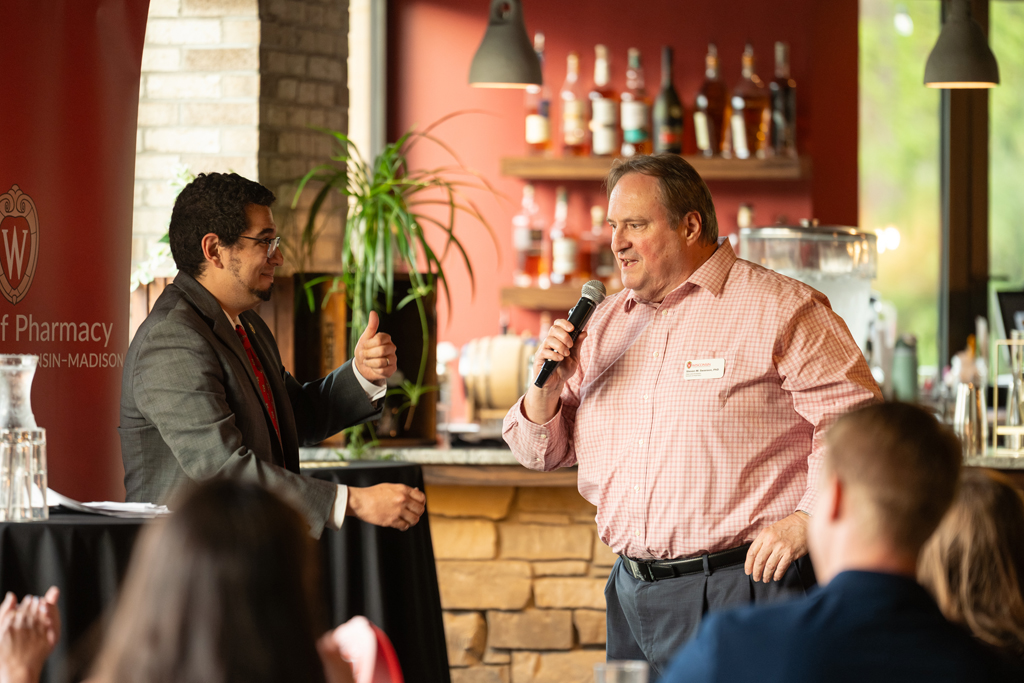
“Their innovations, and their journey from the School of Pharmacy to making an impact not only here in Madison, but across Wisconsin, the United States, and the world, is truly emblematic of the Wisconsin Idea,” says Associate Professor Ed Portillo (PharmD ’14), associate dean for advancement at the School of Pharmacy. “The pride of us Pharmacy Badgers in the room was off the charts.”
“I can’t tell you how proud I am to be dean of an institution that has affected the lives of people who will go on to affect the lives of many others in clinics across the state.”
–Steve Swanson
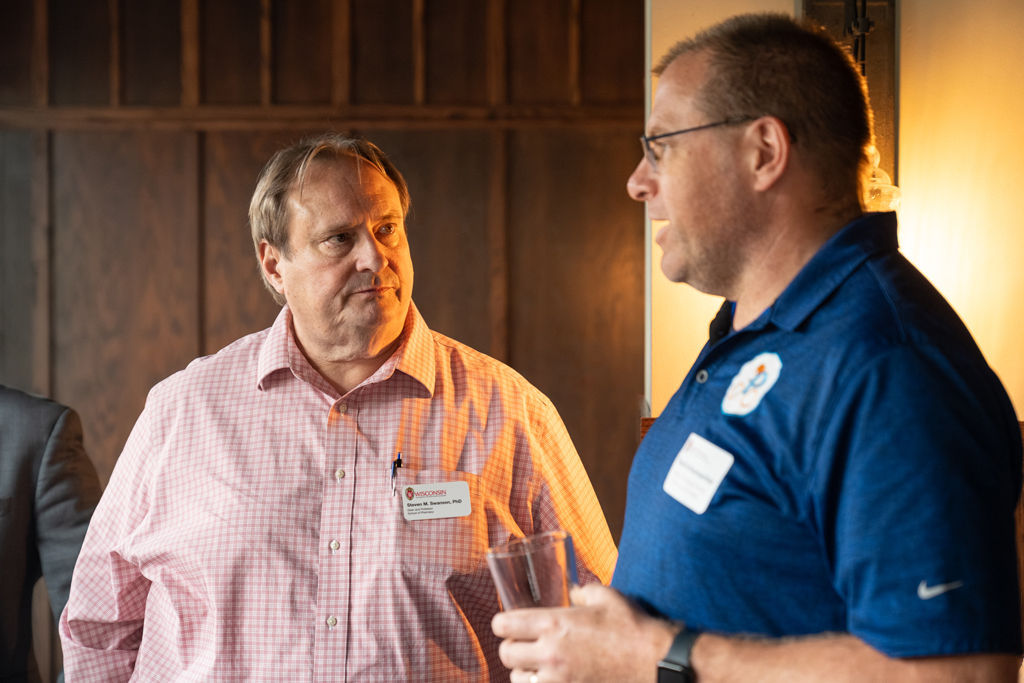
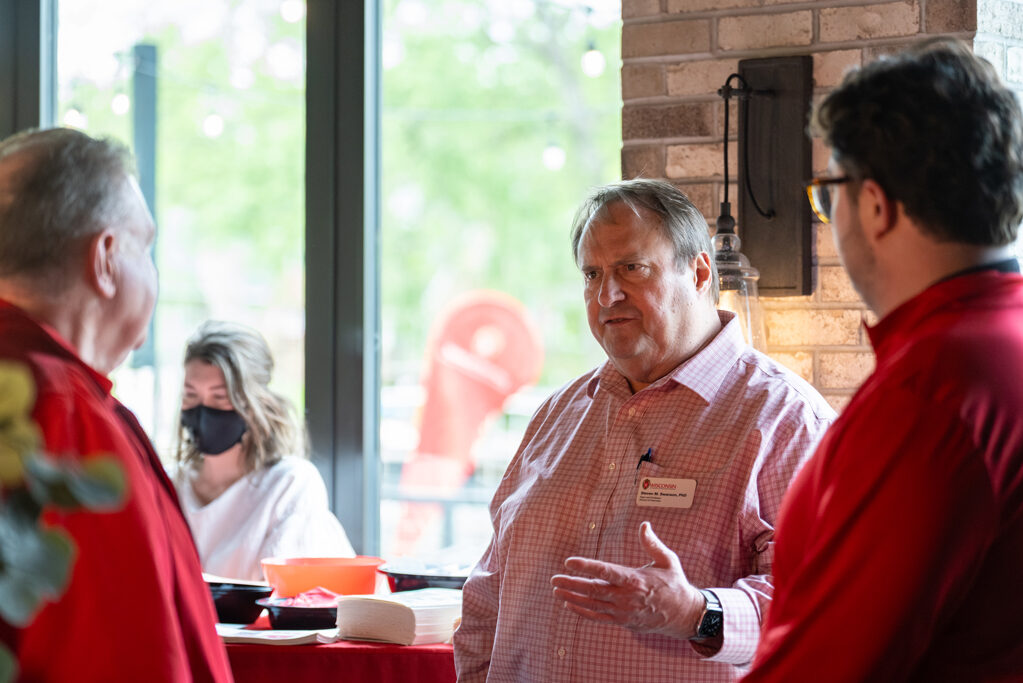
Steve Swanson, dean of the UW–Madison School of Pharmacy, agrees.
“It’s amazing to see the alumni that the School produces, and to hear the success stories that they have,” says Swanson. “I can’t tell you how proud I am to be dean of an institution that has affected the lives of people who will go on to affect the lives of many others in clinics across the state.”
Personalized prescriptions
Medication management is far from simple. A patient with a difficult diagnosis who’s just been prescribed multiple new medications might struggle to stay on top of crucial injections, infusions, and other complex regimens.
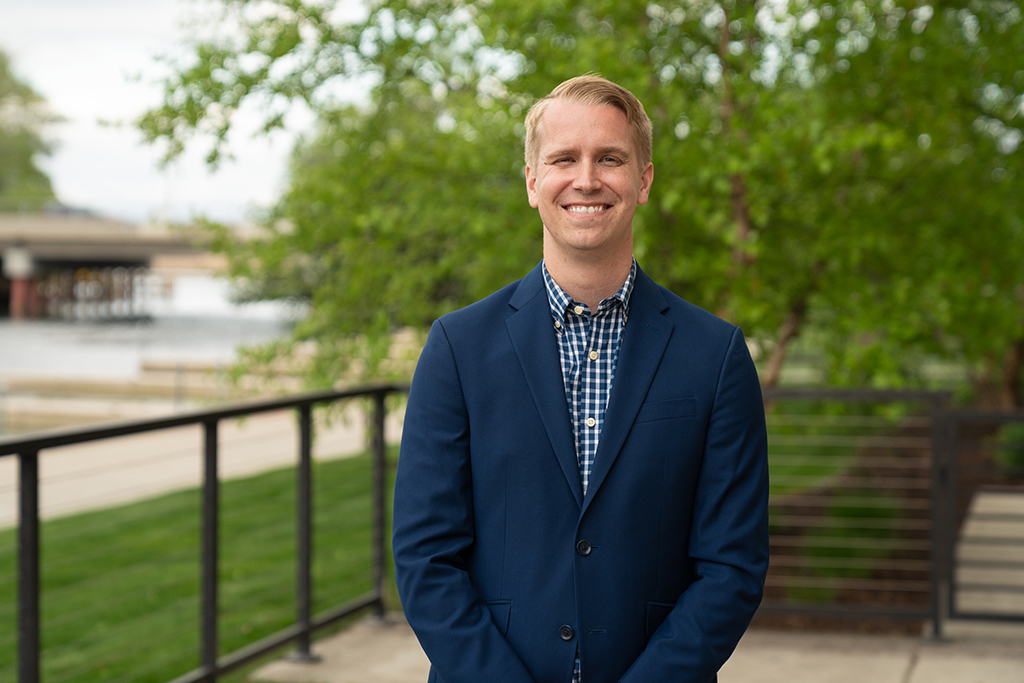
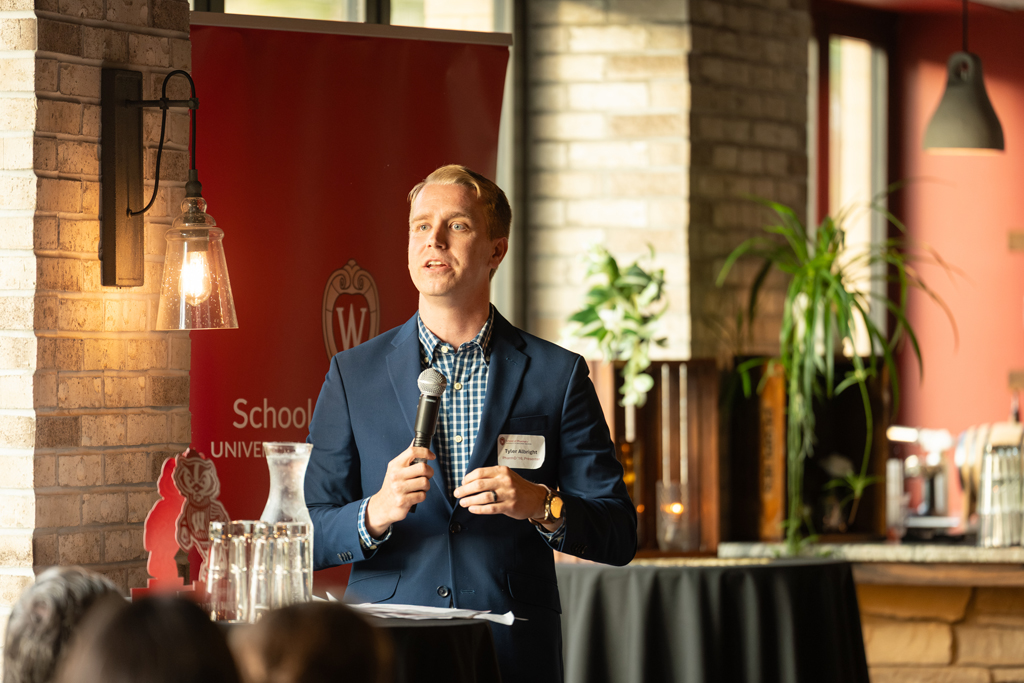
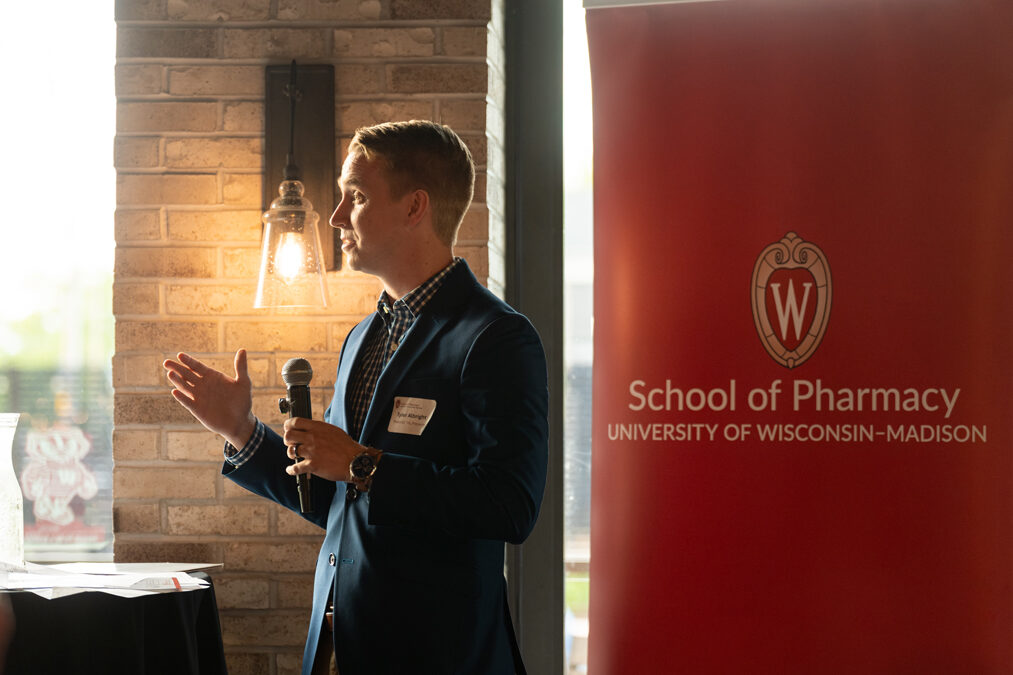
Tyler Albright, the clinical pharmacy practitioner at the William S. Middleton Veterans Memorial Hospital, is making that process easier and safer. Albright was part of the team that helped launch the hospital’s Centralized Specialty Medication Management (CSMM) clinic, an effort that began in 2020.
Today, whenever a patient at the hospital is prescribed certain injectable specialty medications, a pharmacist from the CSMM clinic has a call with them. They explain the medication in-depth, including the particulars of administering it. Often, the patient will complete the first use of the medication — such as the first injection — while on the call, walked through it by the pharmacist. The clinic will continue monitoring the patient going forward.
“Everybody wins in this situation,” Albright says. “Veterans love it. They like the extra touch point. The specialty clinics don’t have to worry as much about the medications.”
Once the CSMM was up and running in Madison, Albright and the rest of the team turned their attention toward expanding the program. Through a connection with a fellow School of Pharmacy alum, they helped launch the program in Tomah’s VA Medical Center and then Milwaukee’s. The success of those led them to apply for the national VA’s “Shark Tank” competition for the chance to take the state program national.
The pitch was successful, and now the CSMM model is expanding outside Wisconsin. Currently, it’s operational at seven clinics nationwide, with more in the works.
“It’s happening very fast, and it’s a really exciting time,” Albright says. “It’s made me think about the Badger network. If you do something innovative, if you have a question, if you need help, reach out to that network. There are thousands of Badger alumni who will go the extra mile for you.”
 Photo by Alicia Schoberg, Focal Flame






























Pharmacist-led clinical care
“Our country is facing a public health crisis,” Hickmann says. “Over 100 million Americans live in a primary care health professional shortage area, and access to critical services is out of reach for millions of Americans. We’ve seen pharmacies continue to close. The demand for physicians and primary care providers far exceeds the supply.”
Hickmann, who is also a member of the teaching faculty at the School, is a pharmacist at Fitchburg Family Clinic, a unique pharmacy-clinic model that is tackling those challenges head-on.
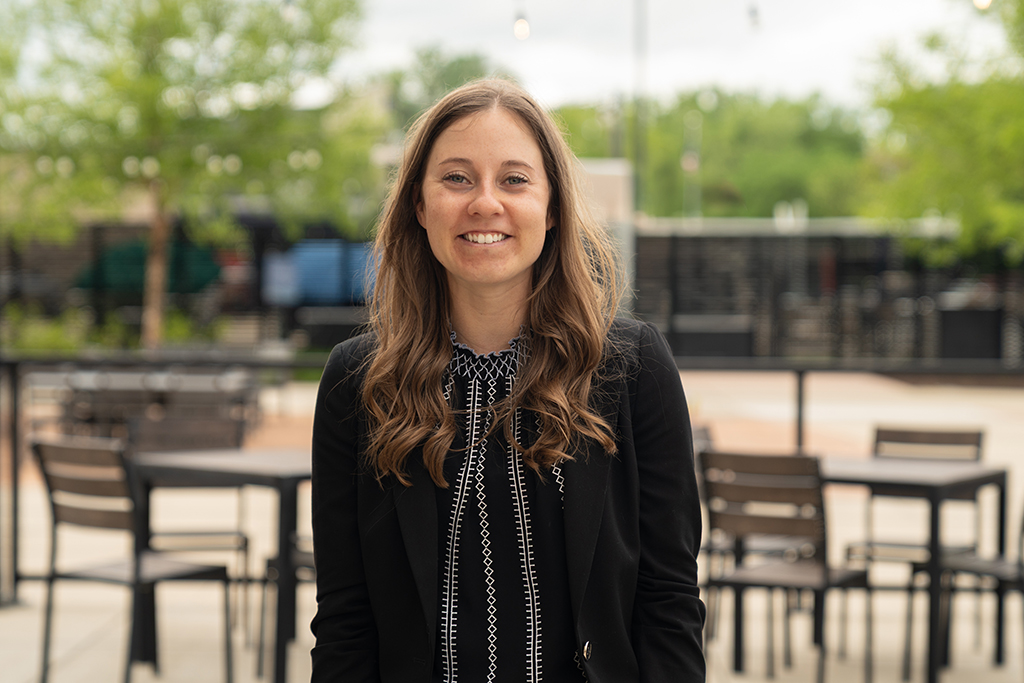
The clinic launched in the summer of 2025, an off-shoot of Fitchburg Family Pharmacy, founded by Thad Schumacher.
Through a collaborative practice agreement with a physician, Hickmann, Schumacher, and pharmacist Bianca Bellissimo (PharmD ’19) provide primary care services at the clinic. The clinic, which also has a family care physician and medical assistant on staff, operates on a direct primary care membership model, allowing patients who don’t have insurance to pay a monthly fee for access.
“We provide care for acute and chronic conditions,” Hickmann says. “We’re not limited to the 15-minute appointment slot. We’ve helped treat folks with urinary tract infections, ear infections, medication renewals, you name it. The position has stretched the bounds of what I thought would be possible for me after residency.”
The approach reaches patients who otherwise would face long wait times and difficulty accessing care — and it allows pharmacists like Hickmann to expand their clinical skillset.
At the School of Pharmacy, Hickmann mentored a group of rural health student pharmacists who presented their own similar idea for addressing care disparities — collaborative practice agreements to address gaps in care in northern Wisconsin.
“It’s been exciting to watch students think outside the box,” Hickmann says. “I’m proud to be a small part of cultivating the problem-solving and critical thinking skills that allow our students to participate in and even lead innovative efforts.”
New therapies
Novartis is on the leading edge of pharmaceutical innovation — and Moroney is working on its front lines.
The company pioneered the world’s first CAR-T cell therapy, a personalized therapy that reprograms a cancer patient’s T-cells, white blood cells that are quick responders of the immune system, to target and destroy their cancer cells. It also launched the first radioligand therapy, a precision therapy which targets cancer cells across the body while limiting the treatment’s impact on nearby healthy cells.
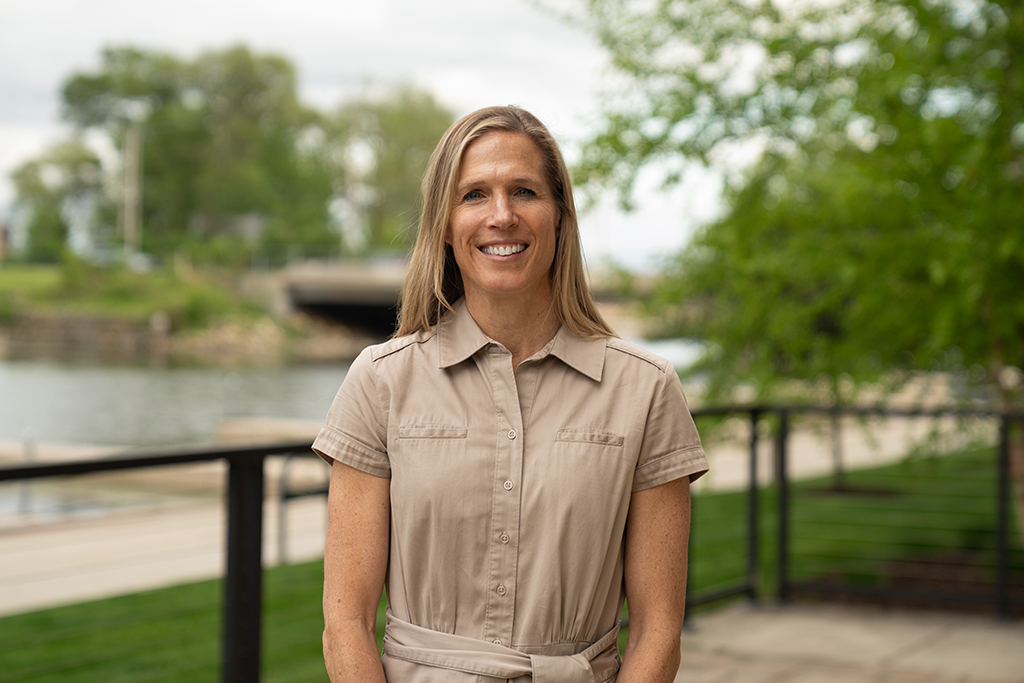
Moroney is currently part of a team at Novartis working with national and regional payers as well as health systems to provide clinical and pharmacoeconomic data on Novartis’ FDA approved medications and near-term investigational assets. Her scope of work has recently expanded to include the Centers for Medicare and Medicaid Services on Inflation Reduction Act medications.
“It’s been very rewarding to be able to translate science to evidence-based decision making,” Moroney says.
She came to her role as director and value evidence lead after a wide-ranging career in several sectors. After graduating with her PharmD degree, she worked as a pharmacy resident before entering academia, where she worked on several oncology trials in lung and breast cancer.
Serving in an in-patient role while at the University of Illinois in Chicago, she saw “patients who had access and affordability issues,” she says. “They couldn’t take their medications, and they’d end up right back in the hospital. That really made me consider other ways I could impact access and outcomes.”
She decided to pursue a master’s degree in population health back at UW–Madison, which led her to the pharmaceutical industry and medical affairs. Having been at Novartis over 10 years now, her work continues to directly impact patients.
“If you can take one lesson away from my experiences, it’s to push boundaries, build trust, and create value,” she says.
Connect with Emma Hickmann Connect with Tyler Albright Connect with Susie Moroney
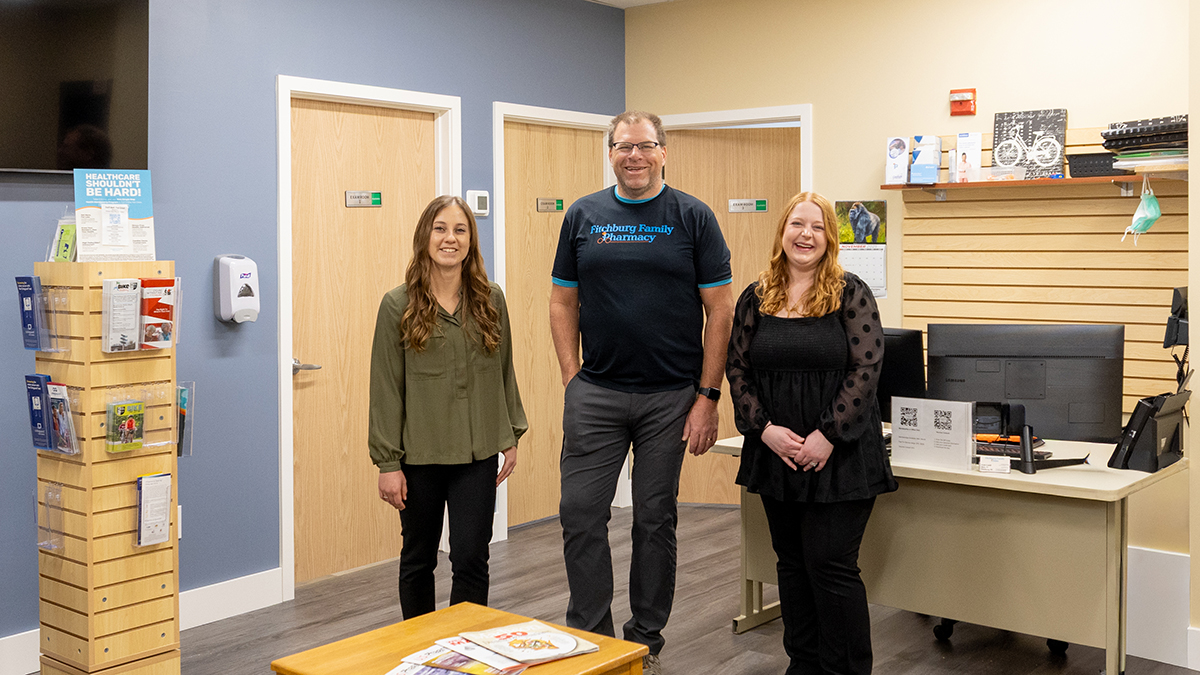
In an innovative care model, alumni Bianca Bellissimo and Emma Hickmann are treating chronic conditions, collaborating with physicians, and providing accessible primary care.
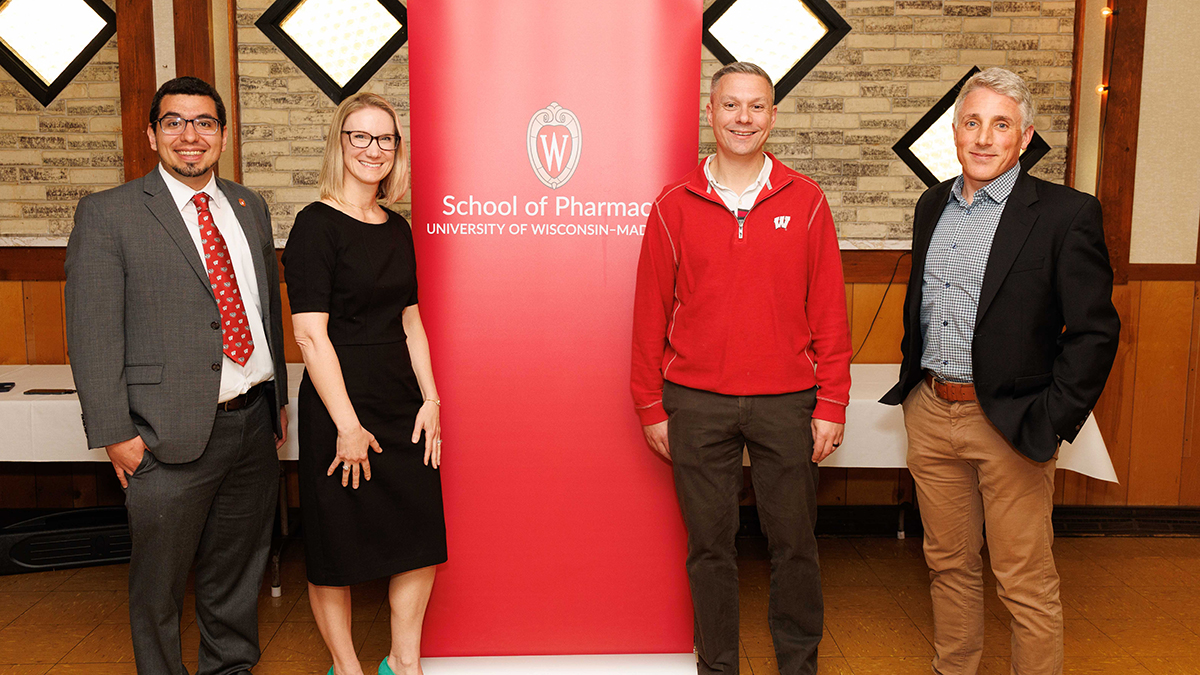
Three Pharmacy Badgers share how pharmacists can transform practice models and patient outcomes, from HIV to heart failure.