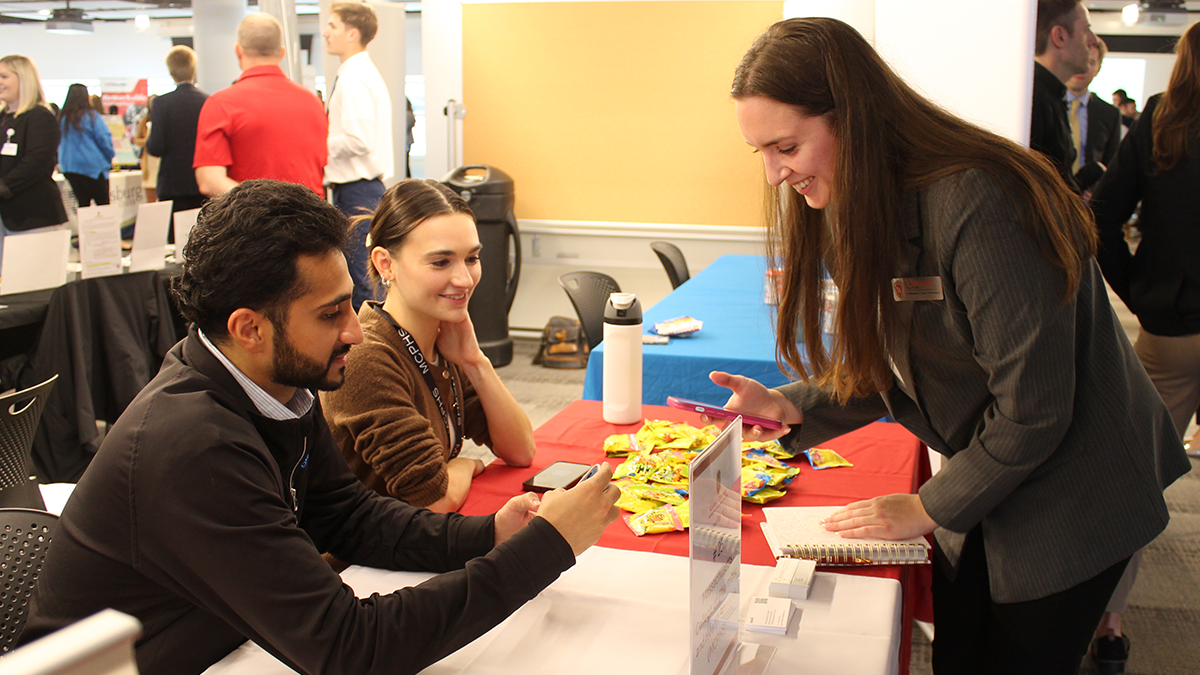
With industry fellowships on the rise, the School of Pharmacy is giving students the tools, networks, and training to compete
The summer after Steven Do’s (BS ‘21, PharmD ’25) second year at the University of Wisconsin–Madison School of Pharmacy, he realized that he was missing something.
“The School of Pharmacy is really good at preparing students clinically,” Do says. “It has great outcomes in terms of residencies. I wanted to help support pharmacy students to use their clinical knowledge to succeed in industry in the same way.”
Industry pharmacy is a field on the rise. Since 2015, there has been a 253% growth in pharmacists participating in industry fellowships. That includes pharmacists working in clinical research for biotech companies, in regulatory affairs, as drug experts in medical information, and more.
“There’s a nationwide, directional shift for what pharmacy students are looking to do when they graduate,” says Professor Eric Buxton, chair of the School’s Division of Pharmacy Professional Development, who helped launch an industry-focused path in the School’s PharmD program: the Applied Drug Development program. Buxton says that around a quarter of new PharmD graduates are now seeking non-clinical industry roles.
“We’ve received great feedback from other schools of pharmacy around the nation that hear what we’re doing. I believe we’re now one of the schools that is doing more to prepare students for industry than many others.”
–Chelsea Wimmer
As the incoming president of the School’s Industry Pharmacists Organization (IPhO) chapter in 2022, Do met with Chelsea Wimmer, the PharmD academic advisor and career services manager. That conversation helped kick off a series of new programs and efforts to bolster how the School prepares students for industry fellowships and careers.
Now, more than two years later, the School offers many career preparation services for students interested in a career in industry, including mentorship programs, a fellowship showcase, and more.
“Fellowships are self-driven by nature,” Wimmer says. “We saw an opportunity to help students succeed in that competitive environment.”
Specialized preparation
Industry preparation at the School of Pharmacy begins early. As early as PharmD students’ second year, they can join the Applied Drug Development (ADD) concentration, which positions PharmD students alongside Pharmaceutical Sciences graduate students to gain a foundation in how the pharmaceutical industry actually works. The pathway covers the drug development pipeline from compound discovery to post-market approval, regulatory processes and FDA interactions, pharmaceutical economics, and good practices for regulated laboratory and manufacturing environments, with instructors bringing experience from companies including Genentech, Teva, and Promega.
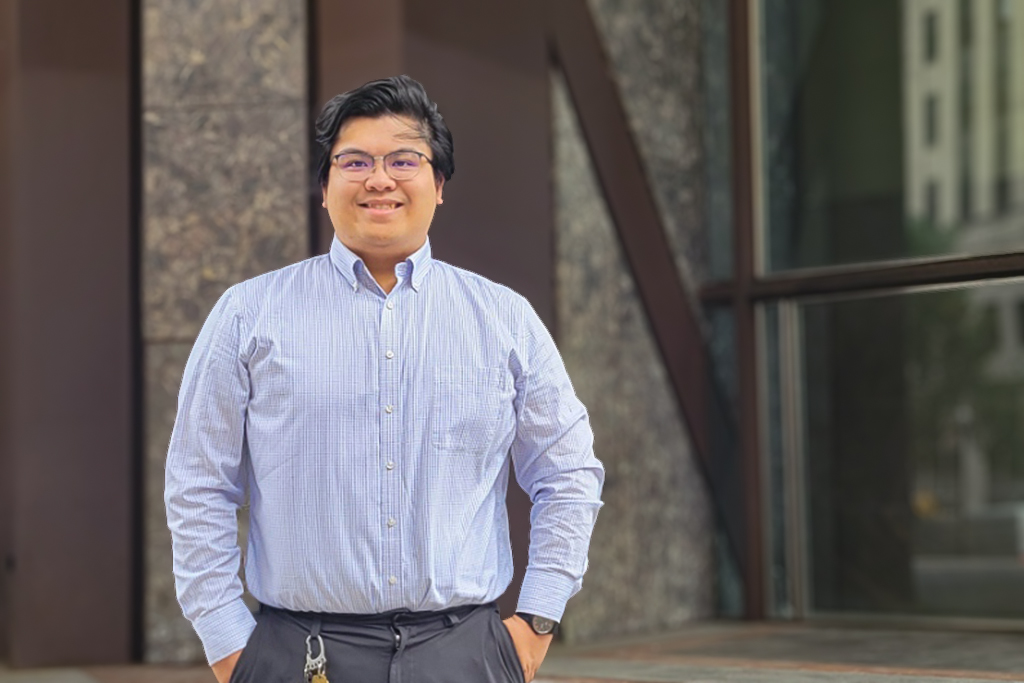
“I’ve particularly appreciated the opportunity to learn from industry professionals and gain insight into the many roles pharmacists can have throughout the lifecycle of a medication,” says Caroline Kokkin, a third-year PharmD student in the ADD concentration. “The program has helped me better understand the intersection between clinical practice, research, and industry, while also exposing me to career paths I may not have otherwise considered.”
The concentration launched in 2022, the same year Do and Wimmer began building what came next.
Do had started pharmacy school with an interest in ambulatory care. During his second year, he saw firsthand how ambulatory pharmacists improved patient care — but he also saw how that ground-level work was used to “ask for more funding or to implement an important change throughout a healthcare system and change policy at a high level.”
This sparked his interest in health policy roles and how industry could alter patient care on a macro scale — an interest that led him to pursue an industry fellowship. As Wimmer developed new resources for students like Do to prepare an application, Do learned the challenges of the process.
He would need to apply earlier than he would have for residency — the fall of his final year of the PharmD program as opposed to the spring — and every aspect of his application, from CV to interview, would need to be tailored to industry.
“In industry fellowships, the onus is on the student — it’s not as structured as residency applications,” Wimmer says. “So as the PharmD career services manager, I saw an opportunity to meet the needs of those students.”
Starting in 2023, Wimmer launched the Industry Preparation Track as part of the School’s annual Career Days event. The track offers sessions with industry professionals, CV reviews, networking tips, interview preparation, and more.
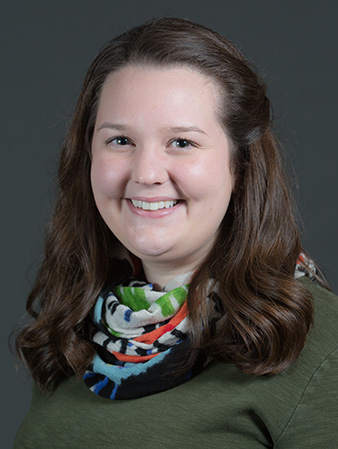
“The track was super helpful. There was a panel discussion with pharmacists who’d taken non-traditional pathways into industry, which I found very interesting,” says Kokkin.
Do learned that the CV he would have used to apply for a residency was not at all what an industry fellowship application CV should look like. A residency CV should include every clinical experience a student has, no matter how small — an industry one should be streamlined, short and focused on key accomplishments. He also learned how to write a letter of intent aimed at industry and how to prepare for the kind of questions he would be asked in his interview.
When interviewing for a residency, students can expect a lot of clinical questions, such as how to dose a particular medication for a patient. In industry interviews, questions have a focus on the functional area. Do, for example, was asked in his interviews about research methodology, like how he would deal with missing data in a study.
Through IPhO, Do also helped re-launch a mentorship program that paired students like him with professionals in the industry.
And in 2025, when he graduated, his work paid off: He landed a fellowship at the University of Pittsburgh School of Pharmacy, in partnership with UPMC Health Plan and Novartis, where he is now a postdoctoral fellow in health economics and outcomes research.
“What really prepared me well for the process was making a lot of connections with School of Pharmacy alumni,” he says.
Creating a model for the Midwest
Last year, Wimmer expanded the school’s industry prep offerings with a PharmD Industry Fellowship and Internship Showcase. Last year’s pilot event was virtual and brought together by eight schools of pharmacy. Students were offered one-on-one and groups sessions to learn about fellowship opportunities.
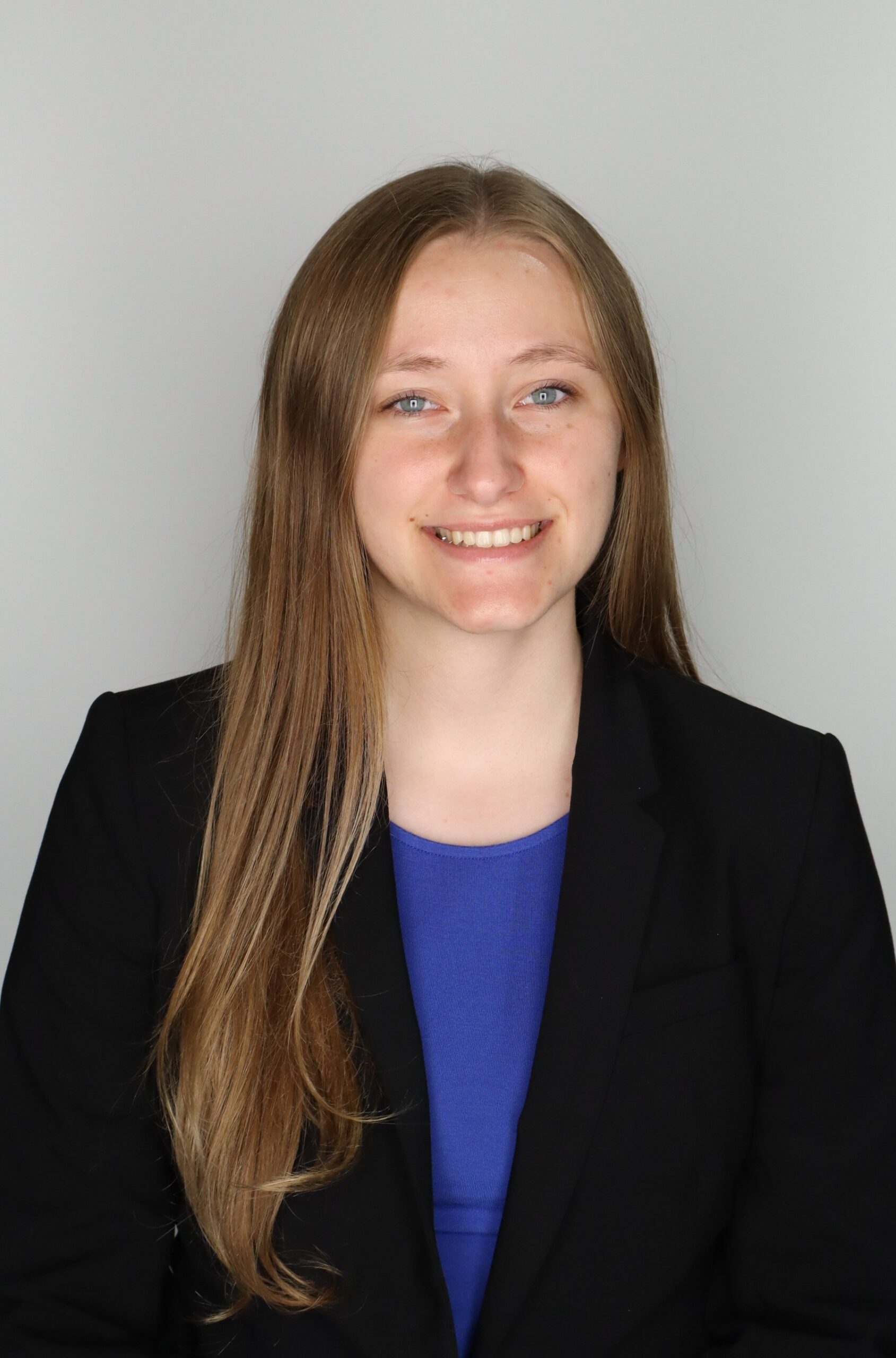
“In industry, recruitment from Midwestern schools can be difficult,” Wimmer says, as most opportunities are along the coasts. “So we wanted to offer a virtual opportunity that makes it easy for industry professionals to engage with our students who don’t have that geographical proximity.”
Wimmer has also recruited more industry representatives to the School’s career fair. And this year, she will be co-hosting a national Professional Development Day, helping students prepare competitive applications for industry internships and fellowships.
“Since learning more about networking at the industry track, I’ve been reaching out to lots of people,” says Kokkin, who feels like she now has the foundation to make an informed choice between residency and industry and prepare successful applications for both. “I’m trying to build my own network. It’s helping me learn more about which functional area I want to pursue.”
And Do is now on the other side of that mentorship program he helped launch through IPhO. This semester, he’ll be mentoring a pharmacy student himself, helping them pursue an industry career as he has.
“We’ve received great feedback from other schools of pharmacy around the nation that hear what we’re doing,” Wimmer says. “I believe we’re now one of the schools that is doing more to prepare students for industry than many others.”
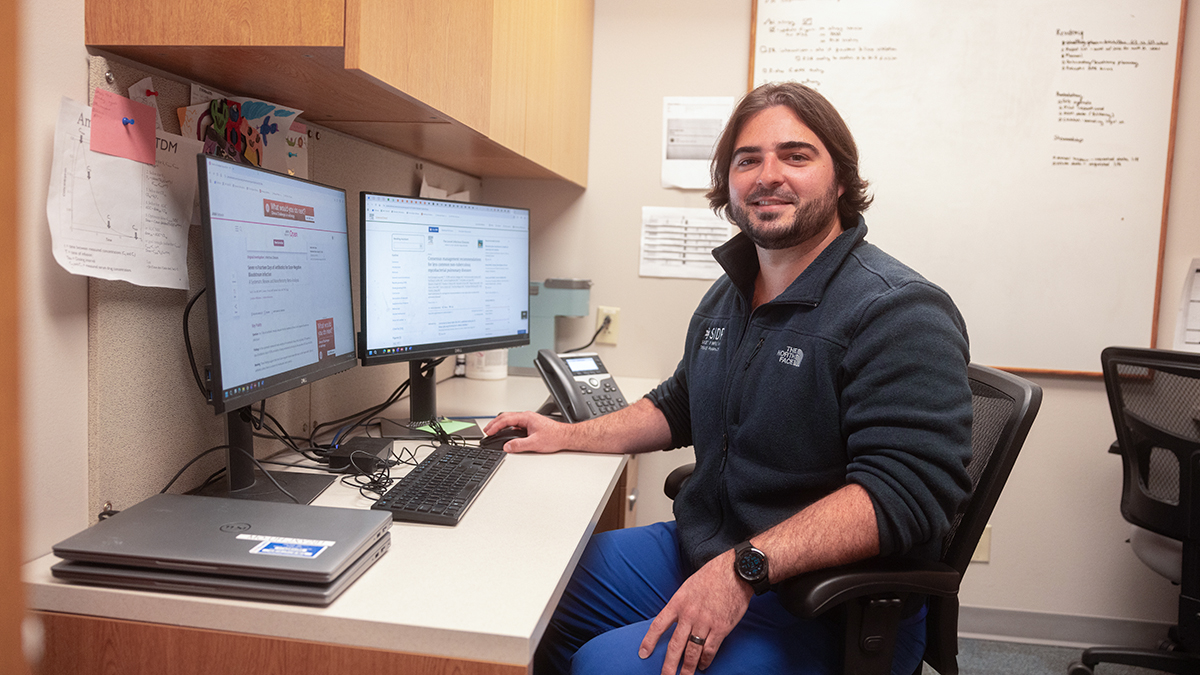
School of Pharmacy alumni share how specialized PharmD tracks prepared them for careers in industry, research, and clinical practice.
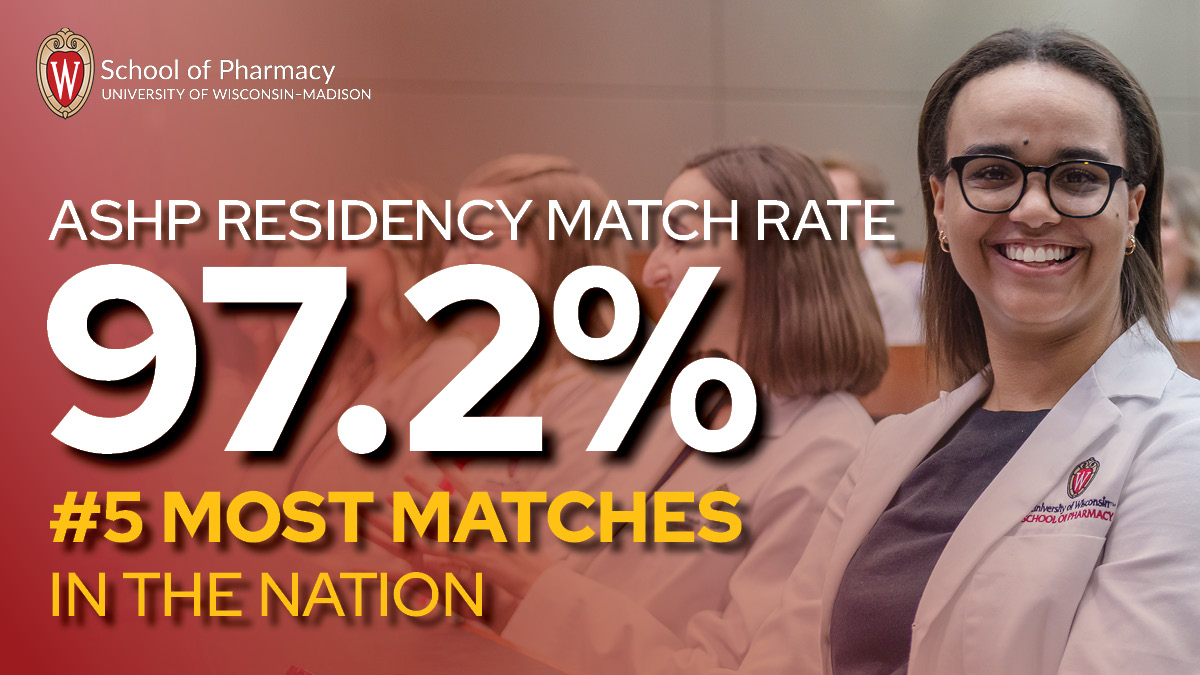
With a 97.2% ASHP residency match rate for 2026, the School outpaces national average and maintains a tradition of excellence.