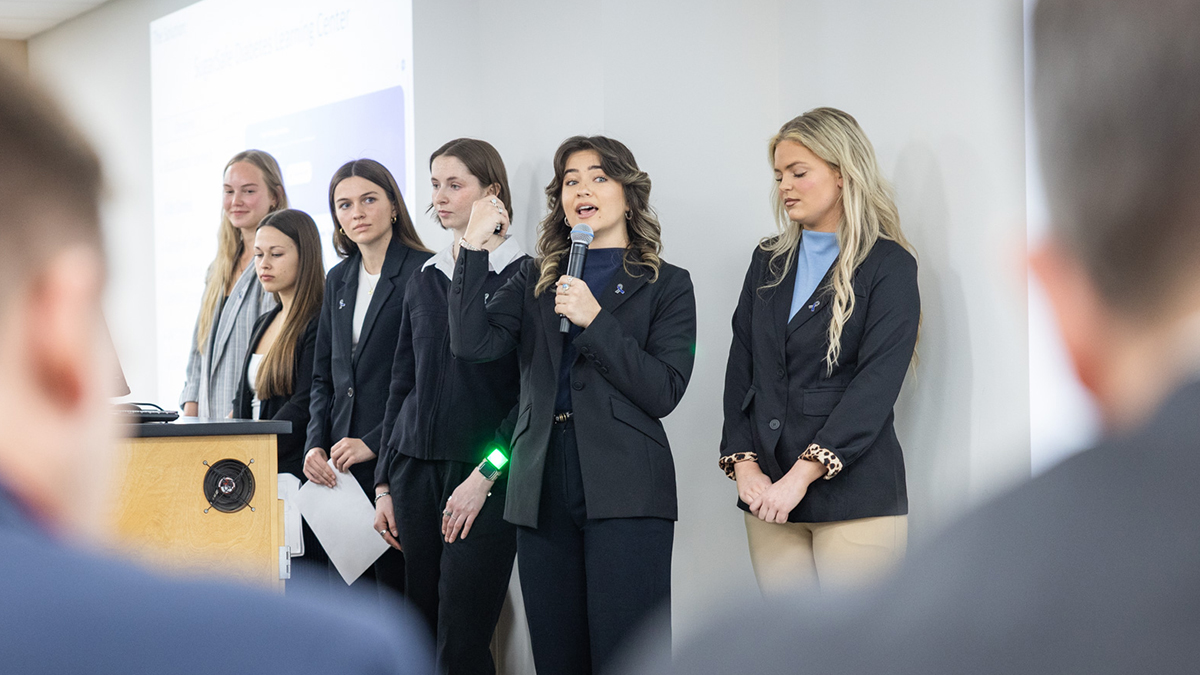
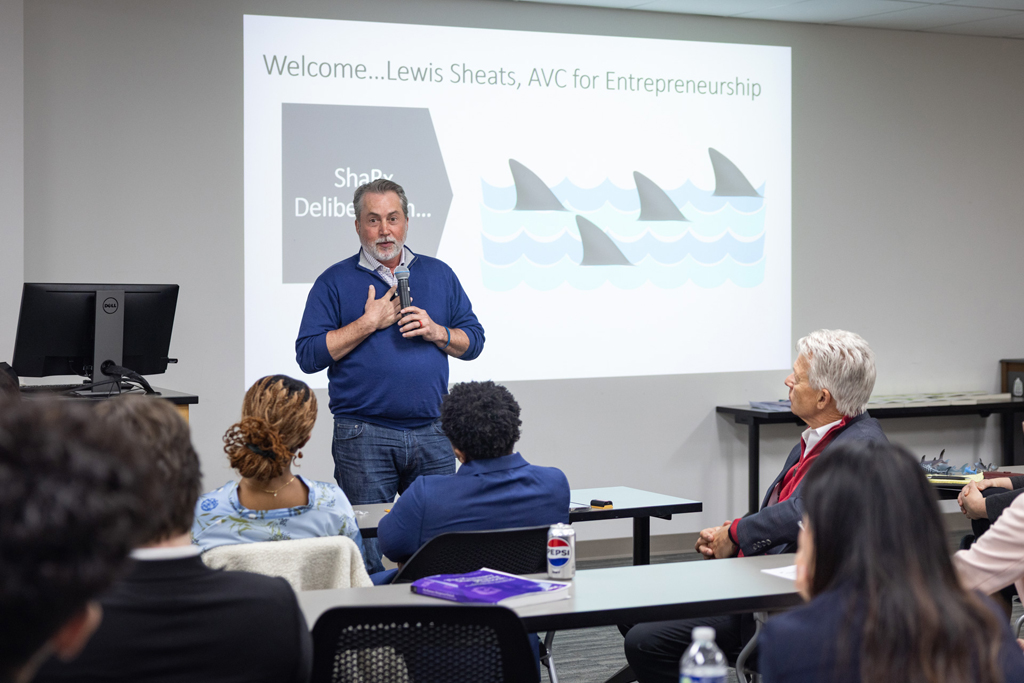
In the School of Pharmacy’s annual ShaRx Tank, five PharmD student-led teams bring entrepreneurial ideas from concept to competition in front of alumni judges
Dropping your child off at summer camp, you can expect that they might come home with scraped knees, a touch of sun, and some grass stains. But for parents whose kids have Type 1 diabetes, those concerns grow exponentially. If their blood sugar falls too low or goes too high, and the counselors in charge don’t know the signs or how to manage it, kids can quickly fall into diabetic ketoacidosis or severe hypoglycemia — both medical emergencies.
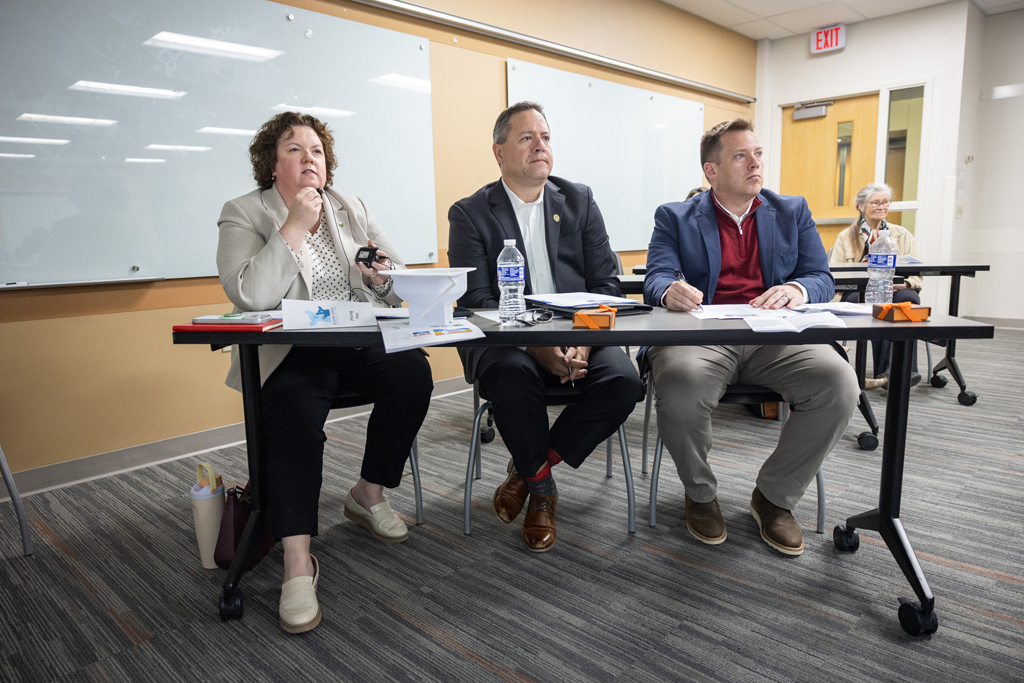
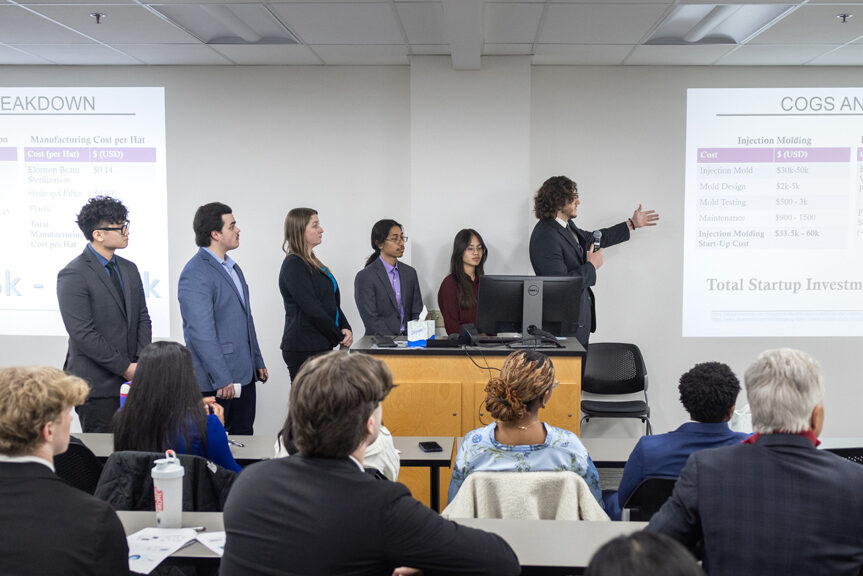
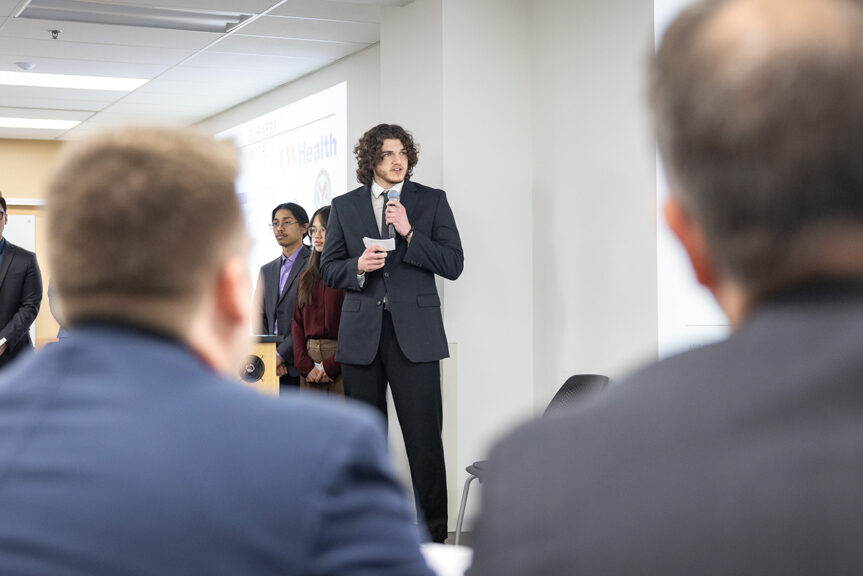
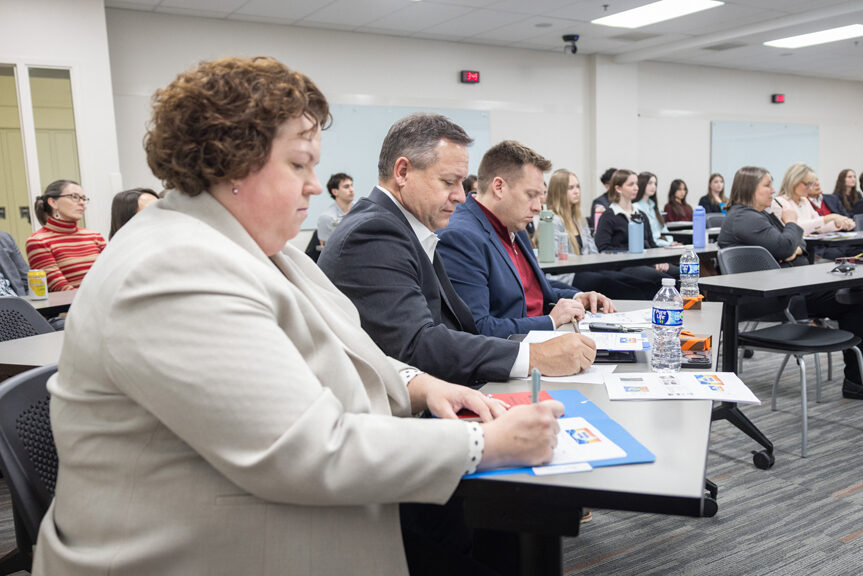
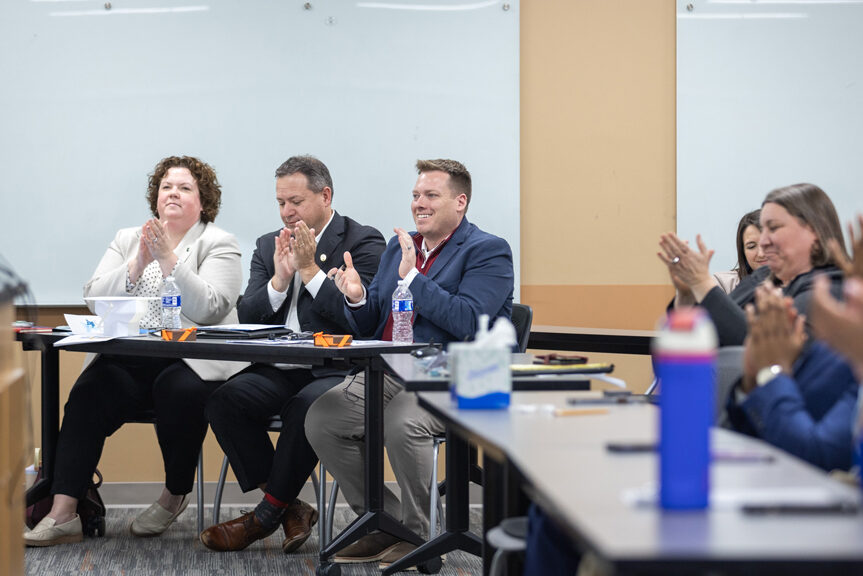
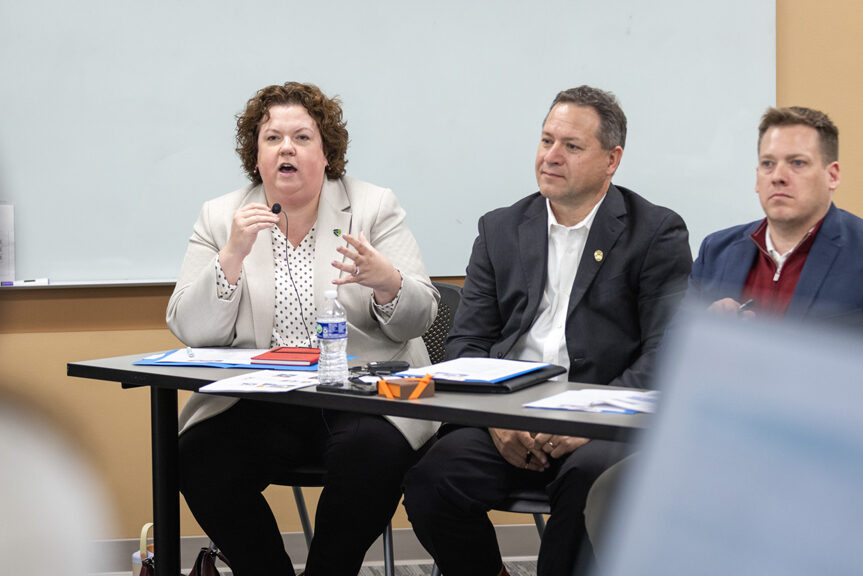
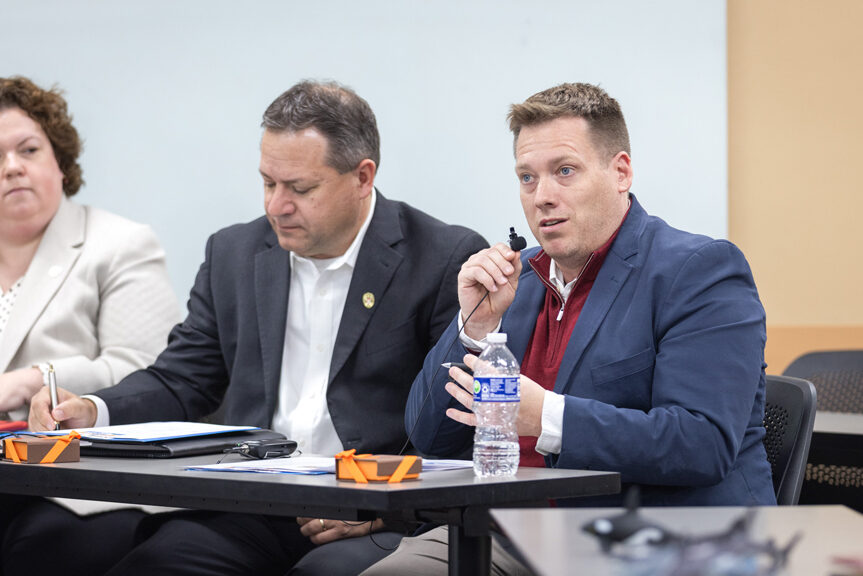
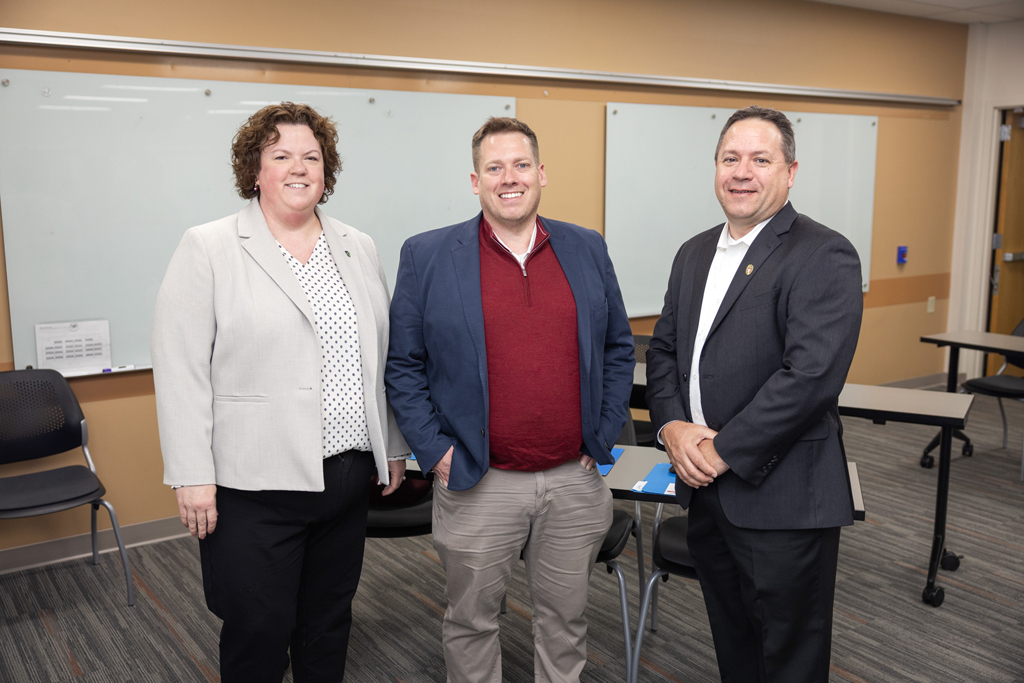
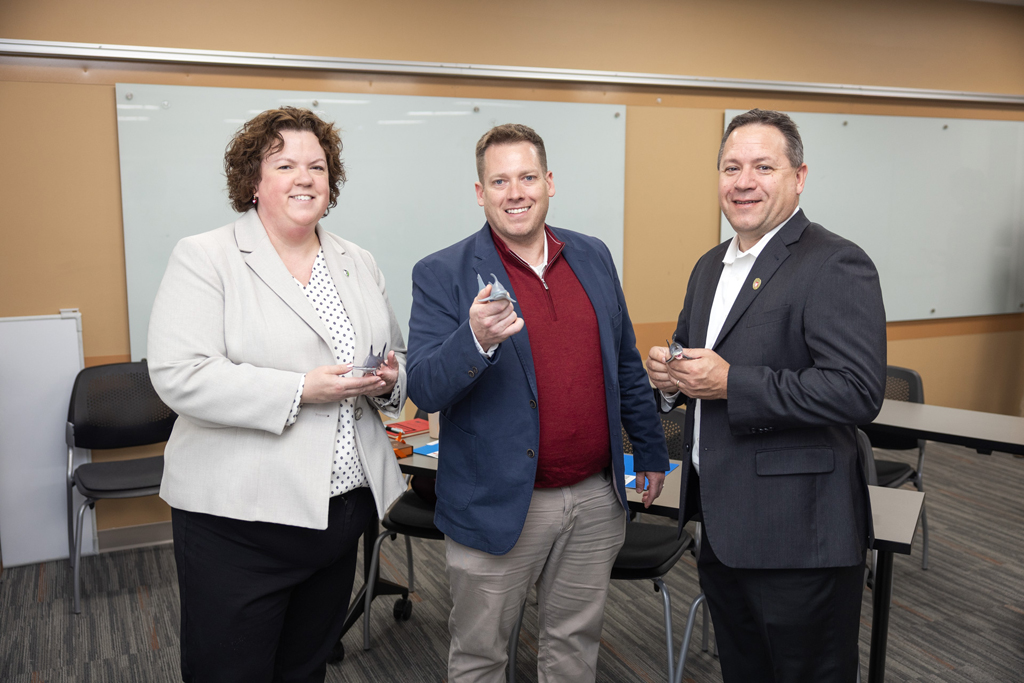
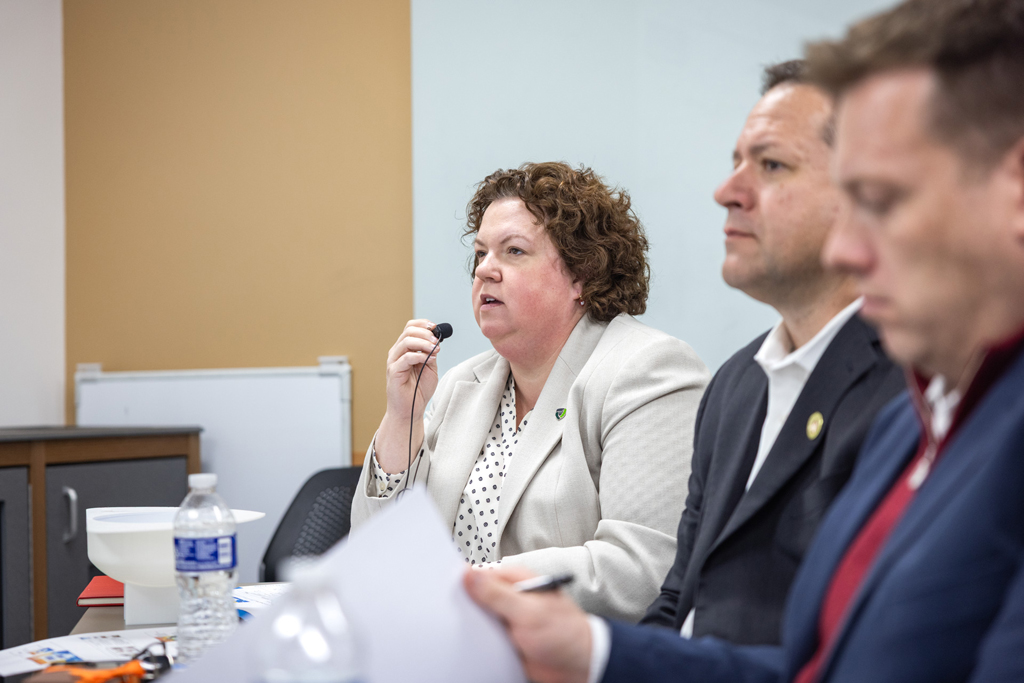
But what if a quick glance at the child could immediately convey if they’re OK? That’s the transformational idea behind the winning pitch at this year’s ShaRx Tank at the University of Wisconsin–Madison School of Pharmacy — a competition where PharmD students pitch entrepreneurial ideas for new products and services to a panel of alumni judges with industry and practice expertise. This year’s judges were Brent Eberle (BS ’98), president of CivicaScript; Sarah Sorum (PharmD ’05), CEO and executive vice president of the Pharmacy Society of Wisconsin; and Joel Jones (PharmD ’07), vice president of clinical and therapeutics informatics and chief safety officer at Epic.
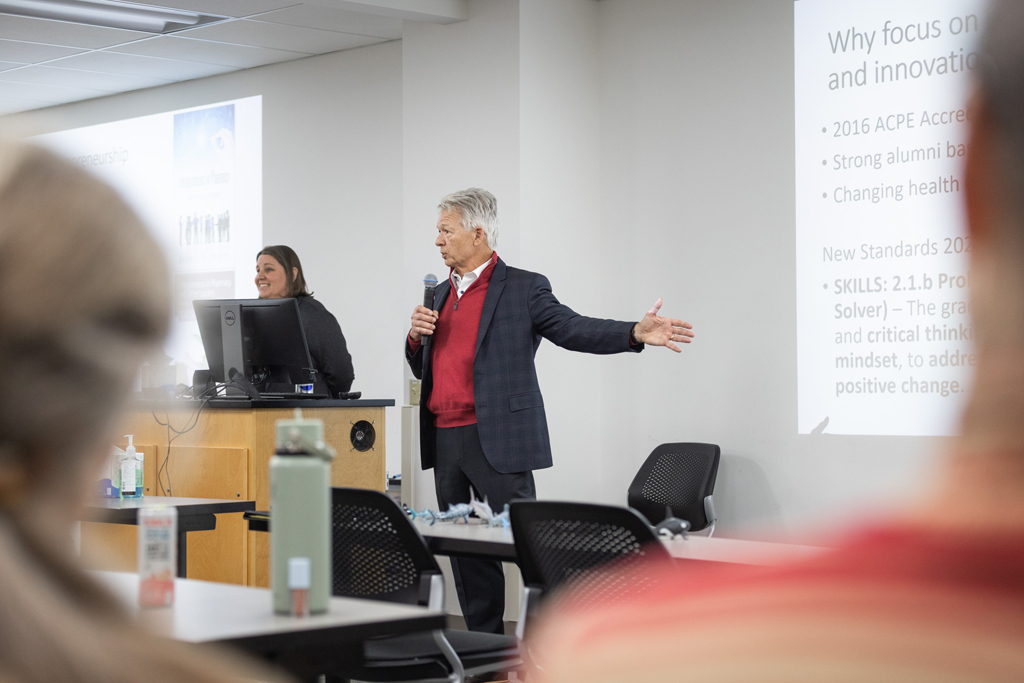
“I’m so proud of each of the five teams presenting this year,” says George Zorich (BS ’78), who helped launch the entrepreneurial student group at the School and continues to mentor its participants. “They formulated novel solutions to healthcare problems, performed market research to direct their plans and strategies, developed a business plan and revenue model, and presented it to a group of highly respected alumni ShaRx Tank judges.”
This year’s student innovations spanned from reproductive health and supplement tracking to antibiotic resistance, GLP-1 weight loss management, and diabetes monitoring.
“All five ideas were really exciting and viable,” says Professor of Pharmacy Beth Martin, who has been a faculty advisor for the group since its inception in 2018.
As a first-time judge, Sorum was struck by what she saw.
“I was impressed by the creativity, professionalism, and passion of the student pharmacists,” she says. “The quality of the pitches reflected strong innovation and problem-solving, but also a genuine commitment to improving patient care and advancing the profession of pharmacy.”
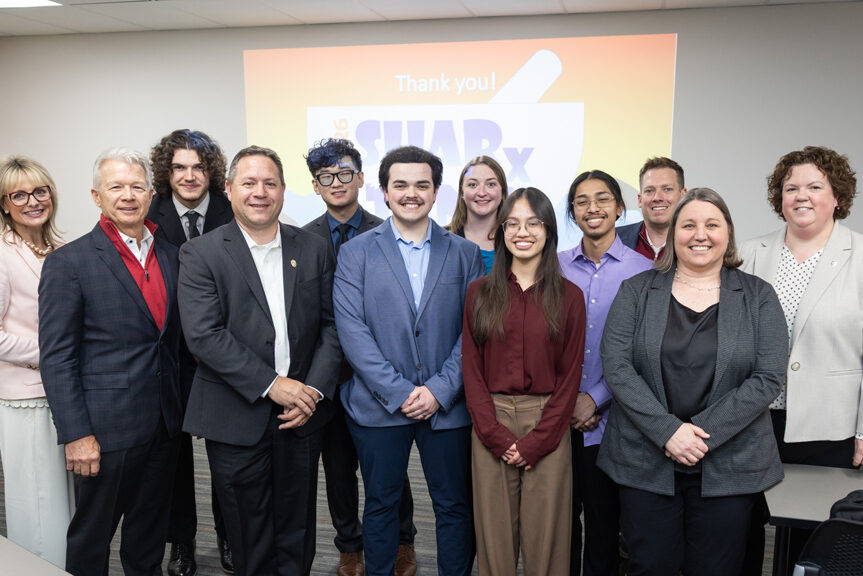 Photo by Sirtaj Grewal, Media Solutions
Creating parental peace of mind
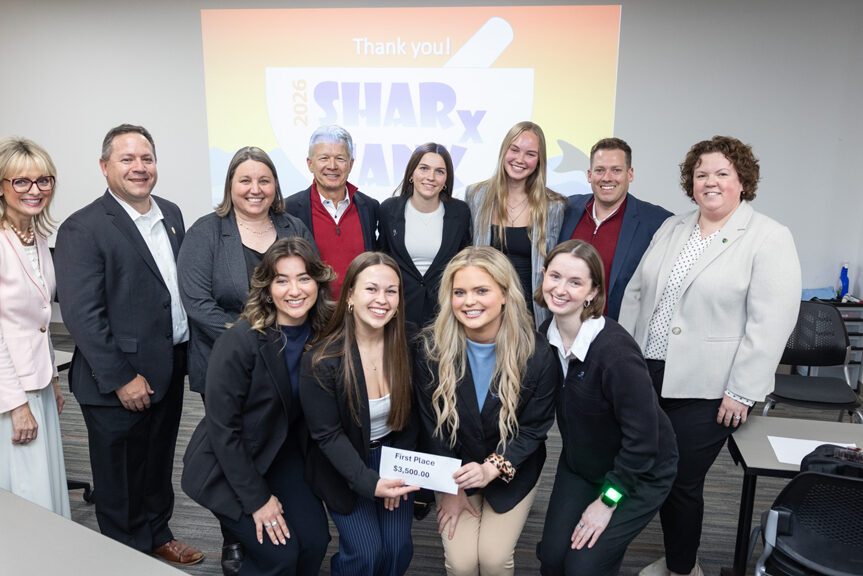
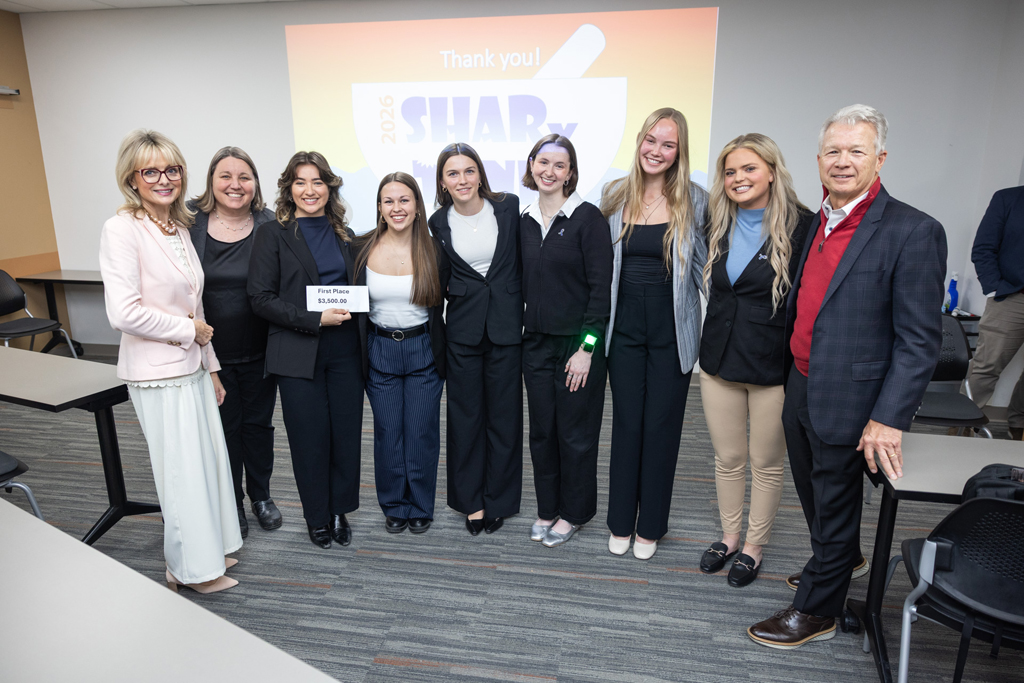
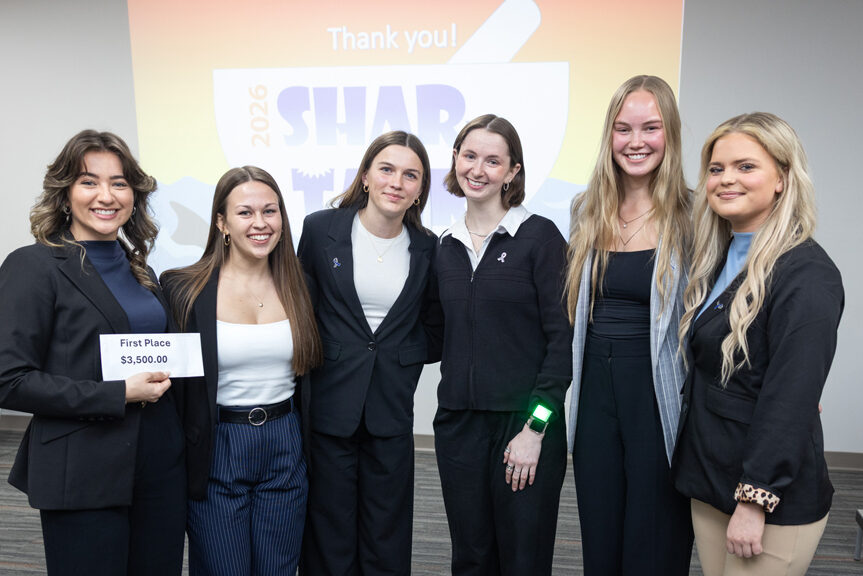
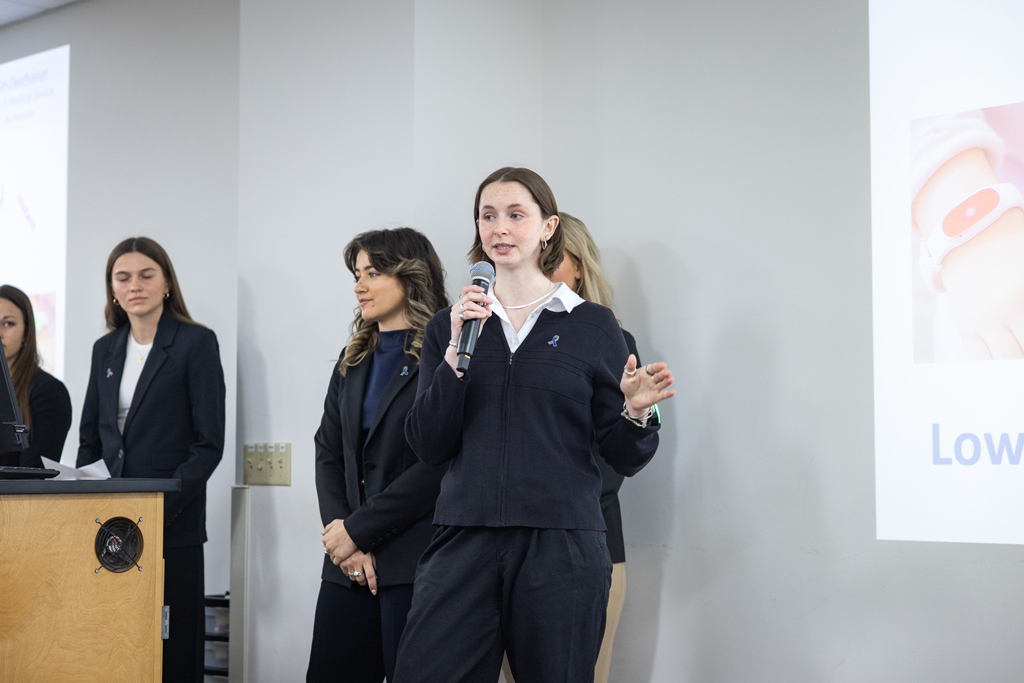
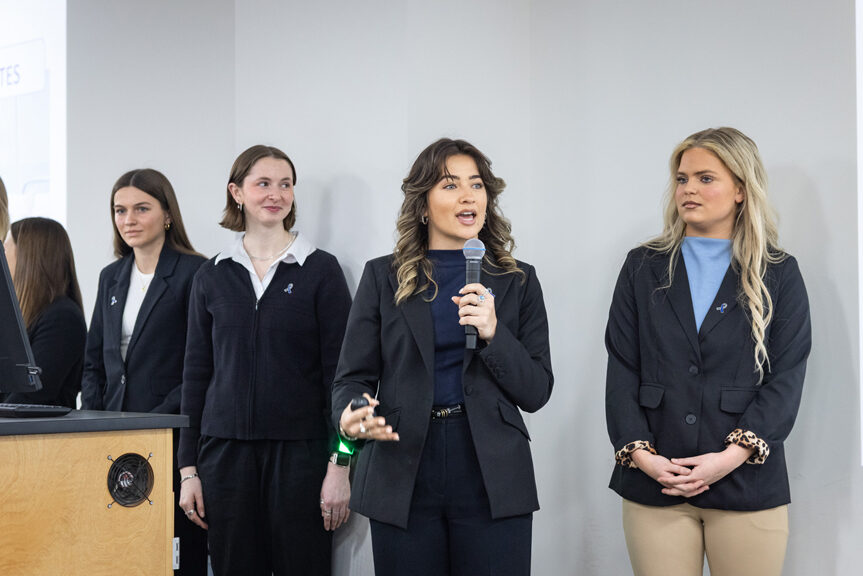
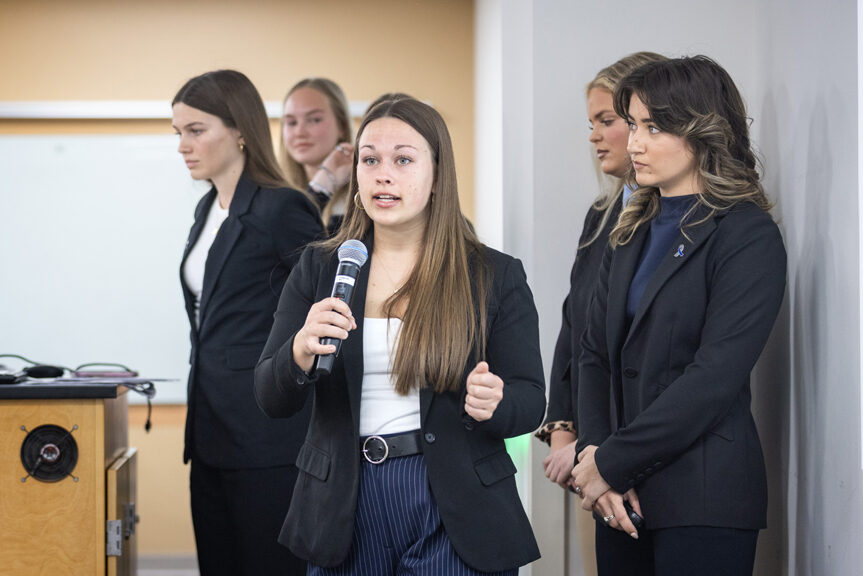
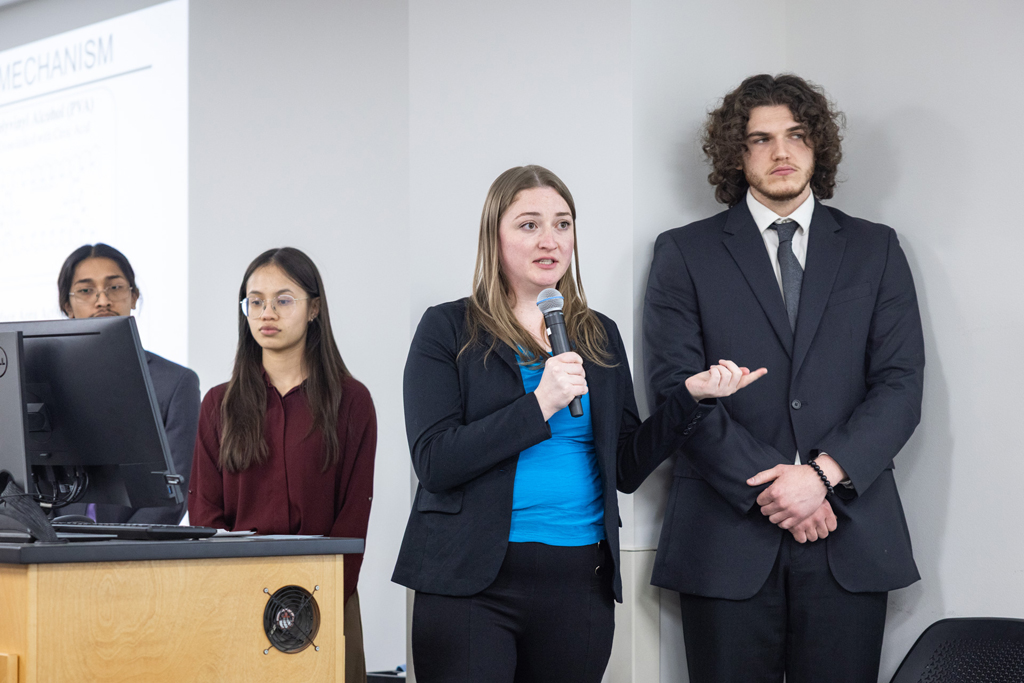
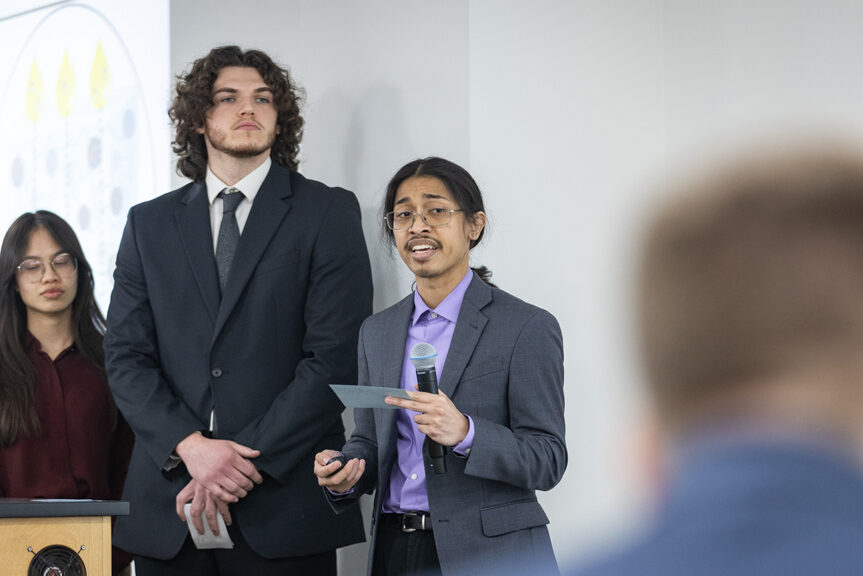
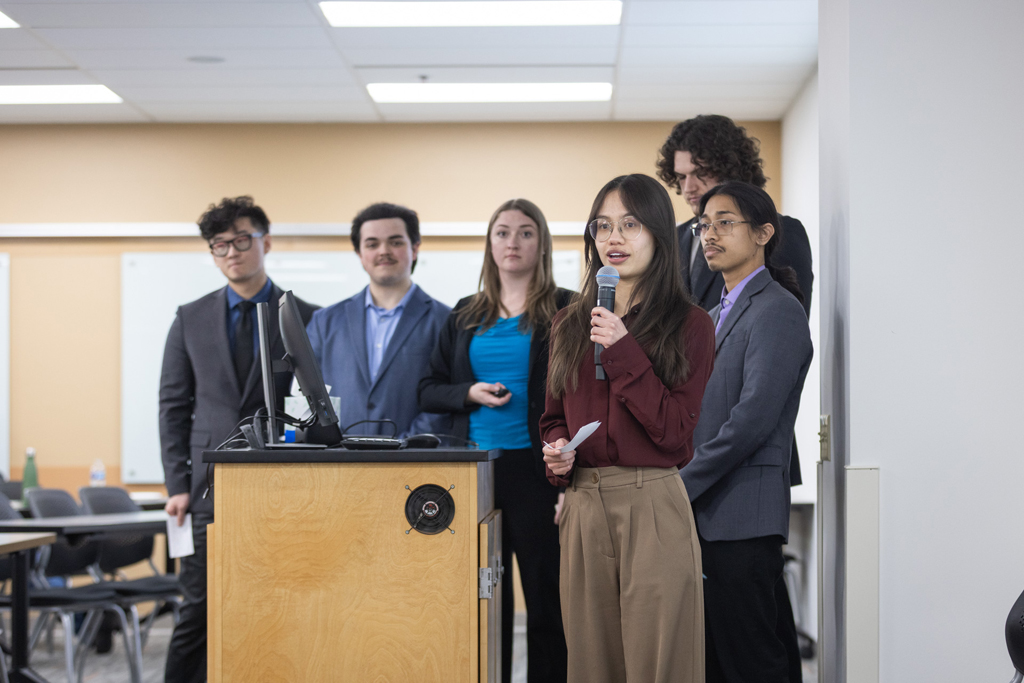
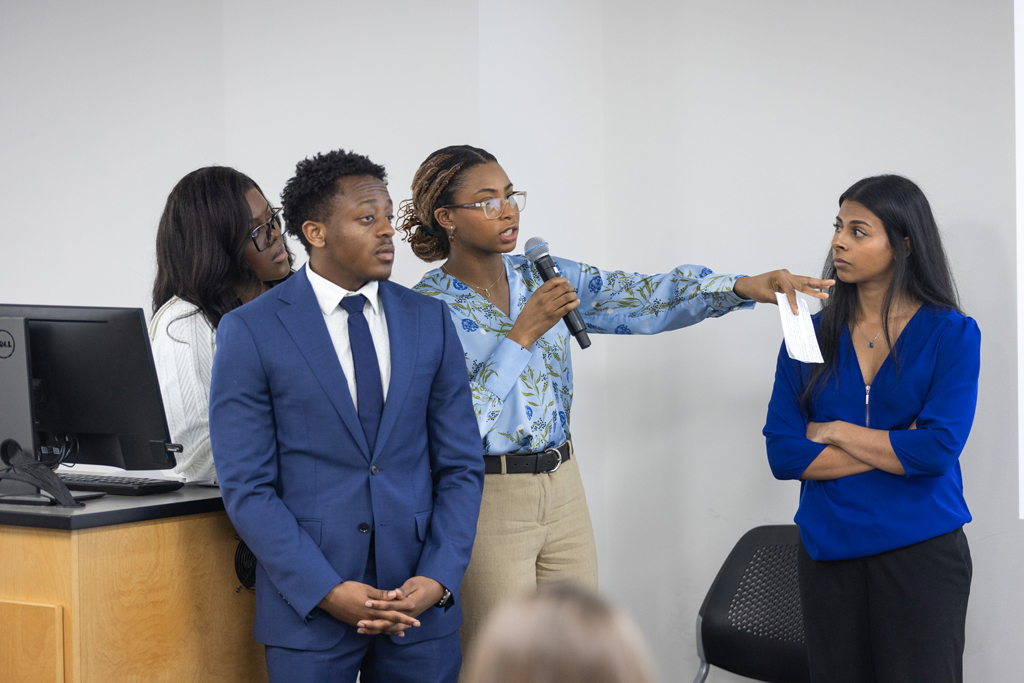
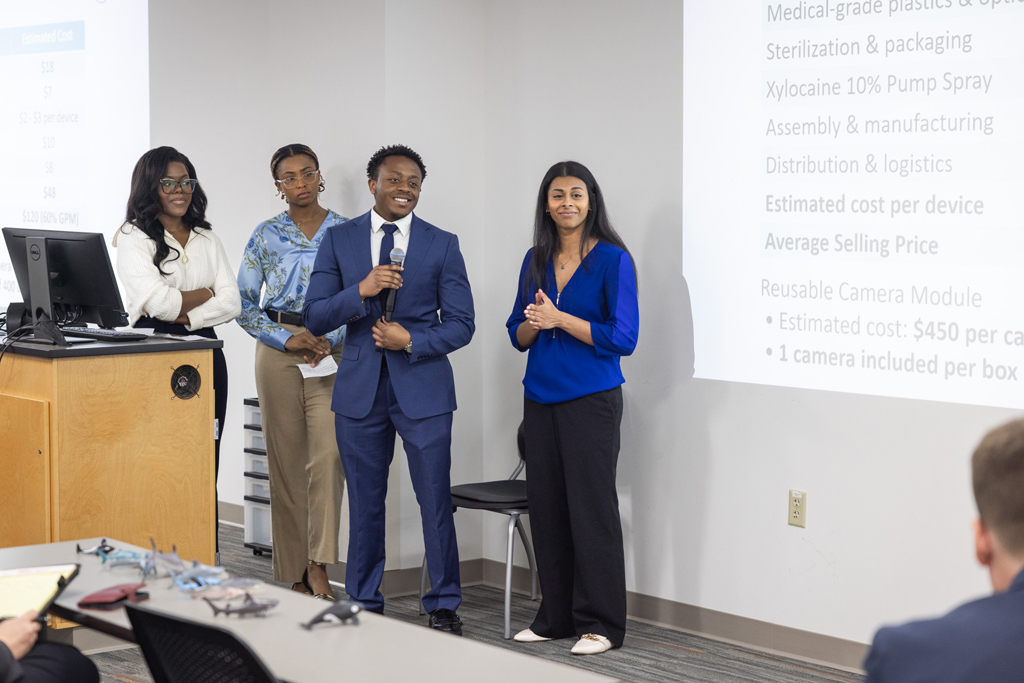
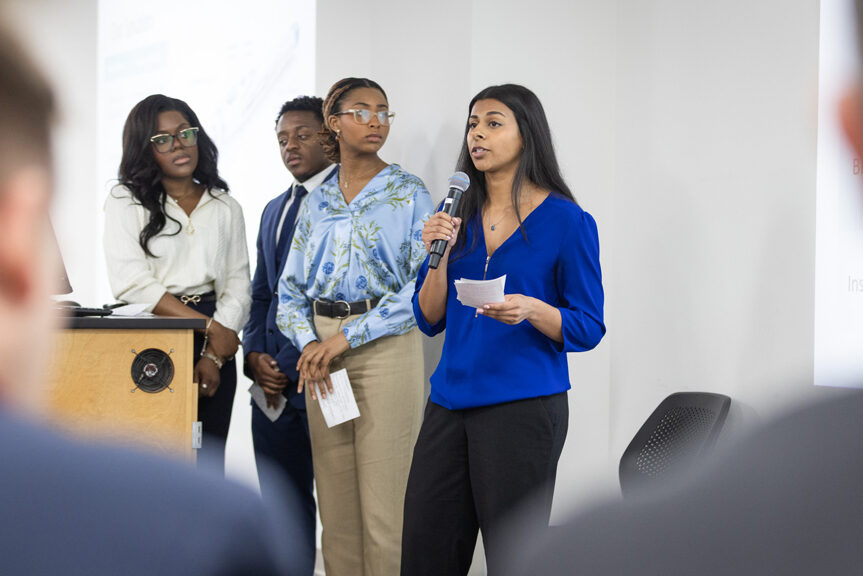
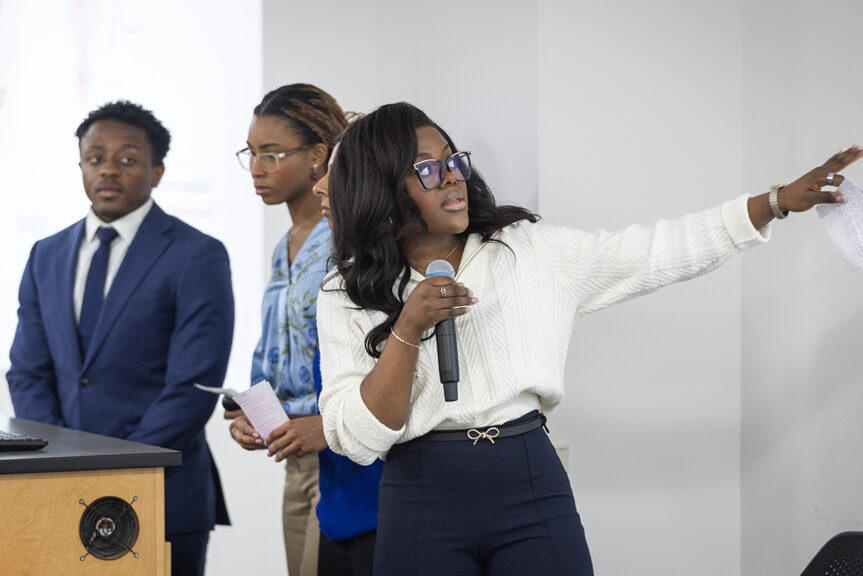
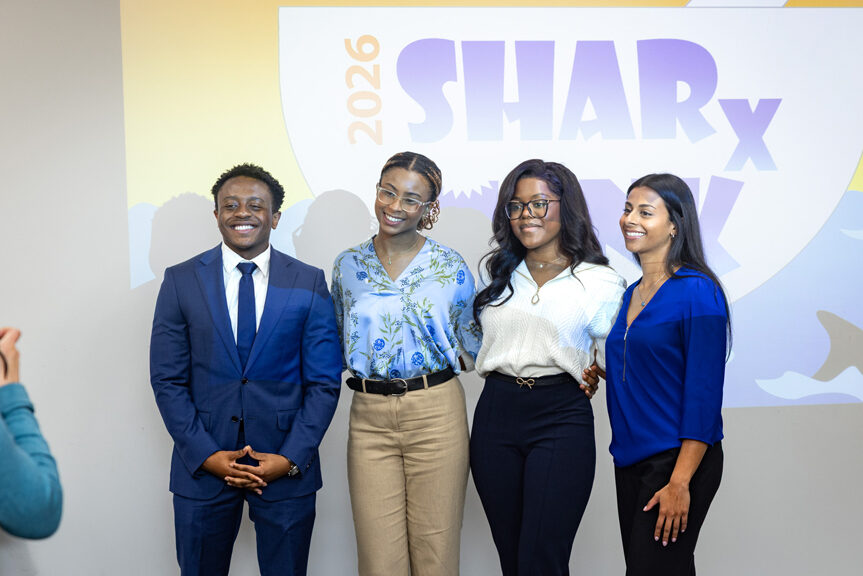
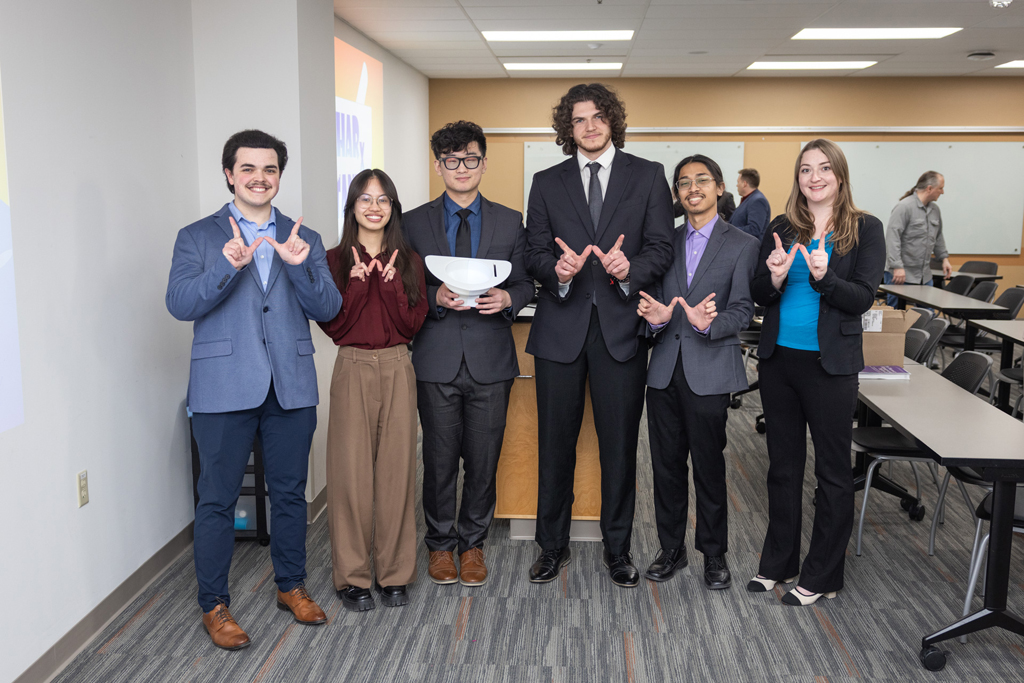
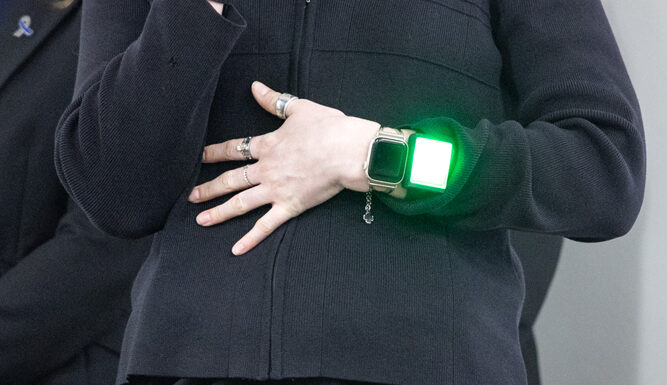
Second-year PharmD students Olive Cerniglia and Callie Berg, with an all-female team of biomedical engineering students, developed a prototype of Sugar Safe — the first-place idea for a bracelet that would connect to a continuous glucose monitor to display at a glance whether blood sugar is low, high, or in a target range.
“And then we have an app paired with it that has educational materials for parents, children, and caregivers,” says Berg. “Anyone can have the app on their phone so that, based on the color, the caregiver can understand the readings and how to help the child.”
Cerniglia first developed the idea when she stumbled across a Reddit thread for parents struggling with their child’s Type 1 diagnosis.
“These kids get diagnosed after a life-threatening emergency, which can be really traumatizing for a parent,” she says. In the thread, she saw parents sharing how they can’t sleep at night worrying about their child’s health, whether it’s managing the disease at home, at school, or during sports or other activities.
“There’s not a lot of people that parents trust to manage their kid’s Type 1 diabetes because it takes a lot of monitoring,” Cerniglia says.
To better understand the problem they were trying to solve, they spoke with more than 40 families of kids with Type 1 diabetes to hear their stories, learn what they struggled with most, and how a new way to monitor could help.
Following their win in ShaRx Tank, Berg and Cerniglia’s team also earned fourth place in the UW campus-wide Transcend competition out of 65 teams, earning the opportunity to meet with a venture capital company to talk about their product.
And their work is far from over. Through their ShaRx Tank win, the team earned $3,500 — funded by Zorich — to further their idea. Over the summer, Cerniglia and Berg are working on developing the educational materials for the app, developing an LLC, and then moving toward pilot testing the band with real families.
“Everything coming to fruition and people seeing the vision that we have, that we dedicated our time to, is really rewarding,” says Cerniglia. “This is a tool to dampen the burden of Type 1 diabetes and help parents feel more secure about their child’s health.”
Protecting the water supply
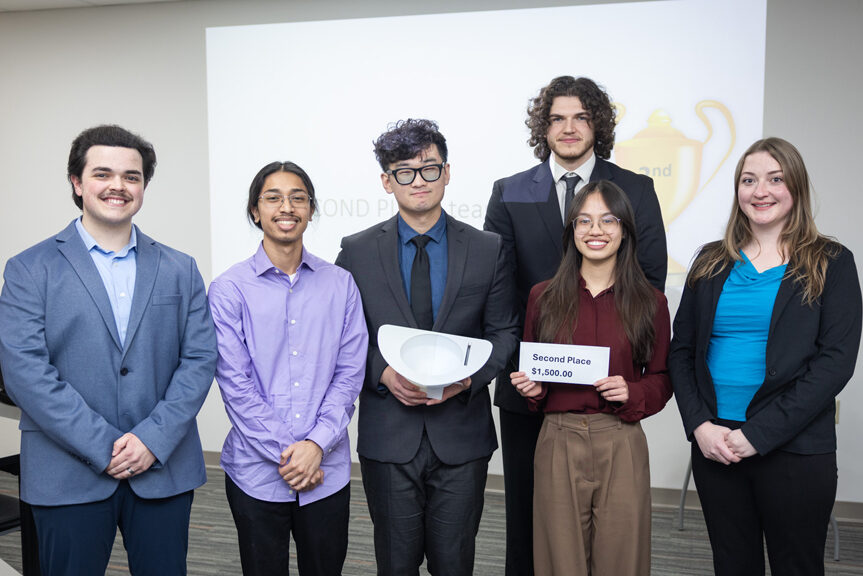
Through a lecture about opioids, including how they enter the water system through patient excretions, second-year PharmD students Brandon Schroeckenthaler and Jenn Nguyen realized the same was true for antibiotics.
“Everything has a life cycle,” says Nguyen. “Everything you take goes somewhere and we should be aware of that,” says Nguyen.
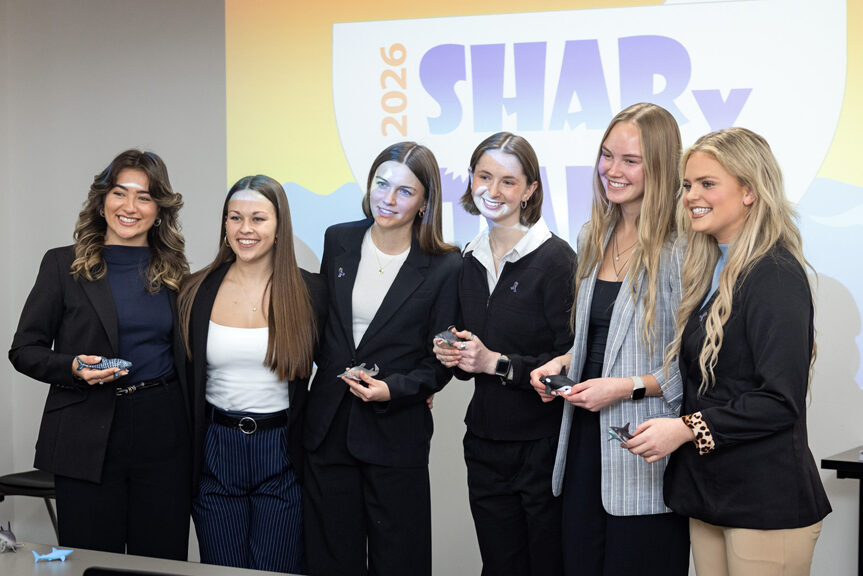
Teamed up with a professional environmental engineer and a material chemist, Nguyen and Schroeckenthaler and classmates Fahmi Christiadi, Cade Matthews, Kylie McCollum and Jon Zheng, focused on a key source of antibiotics and metabolites entering the water system: hospitals, where more than 50% of patients are on antibiotics.
“Prescribing practices are being improved upon, but we learned that antimicrobial resistance is a multifaceted problem, and this is one part of the problem that isn’t really being looked at,” says Nguyen.
Their solution, developed with a material chemist, is a redesigned specimen collector that filters out and absorbs the excreted antibiotics.
Their creation earned second place, which includes a $1,500 prize from Zorich to further their idea. Next, they’re working with an intellectual property lawyer and considering a patent.
“Our product has the potential to save so many lives if it works the way we want it to,” says Schoeckenthaler.
A breadth of innovations
The three other participating teams also solved important healthcare issues.
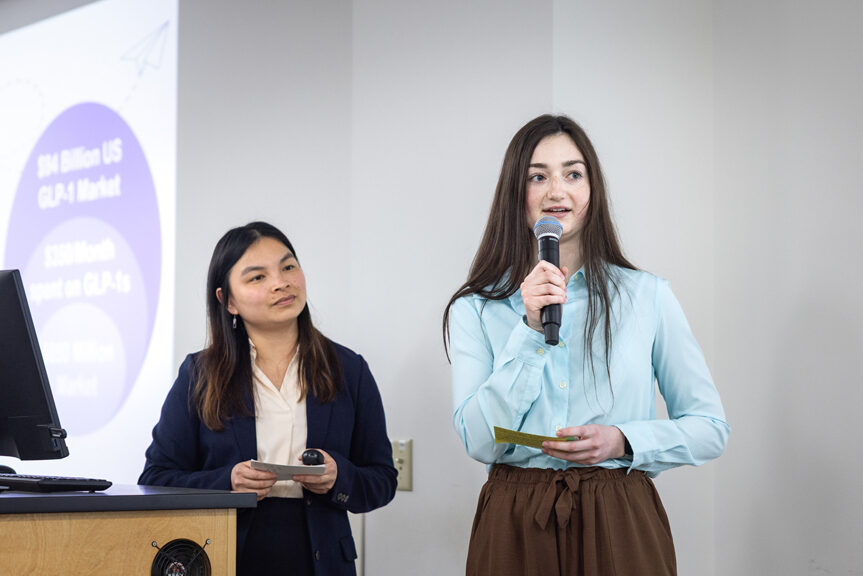
Second-year PharmD students Justine Manning and Natalie Feider, drawing on their experience as student pharmacists in community pharmacy settings, created a pharmacy service for GLP-1 users, responding to a gap they’d seen firsthand.
“They were seeing people coming into the pharmacy and hearing that they weren’t getting the counseling and support that they needed while on the GLP-1s, including support for building and maintaining good behavioral habits and answering questions about how to taper off the medication when insurance stops covering it,” says Martin.
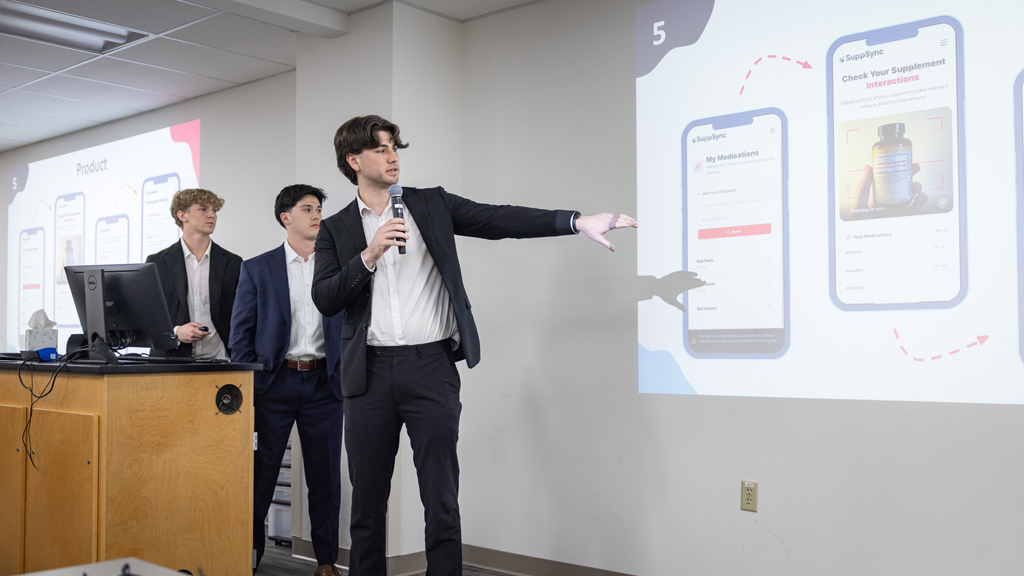
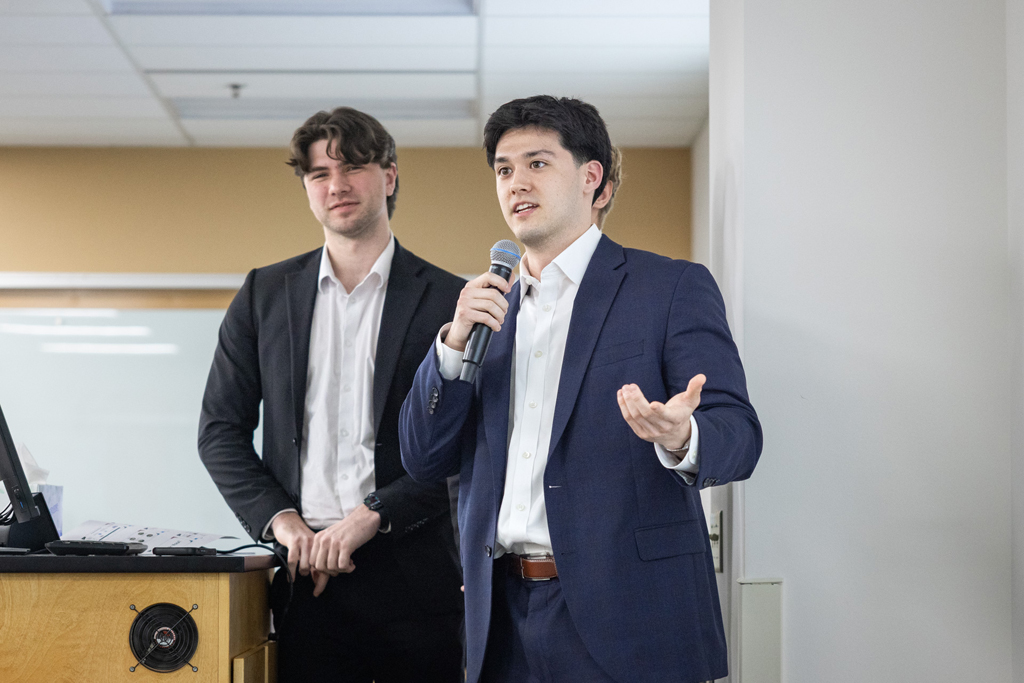
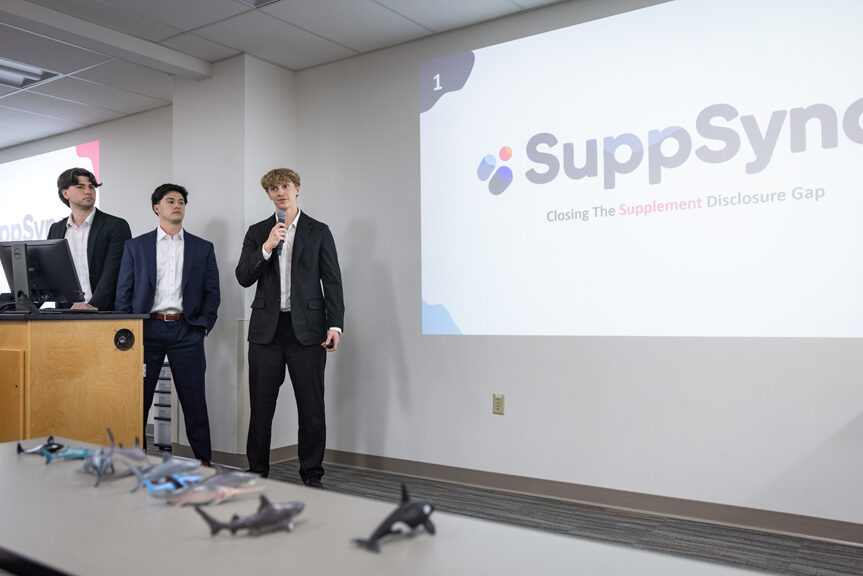
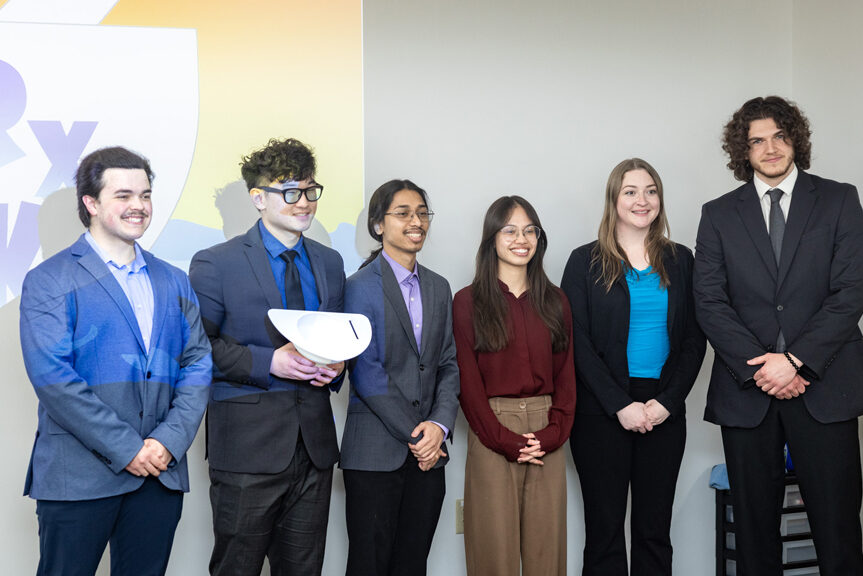
First-year PharmD students John Clingen, Phillip Horn, and Ross Ploessl, partnering with computer science students, designed an app to help patients upload and track their supplements — a problem that Martin notes is surprisingly widespread.
“Seventy-five percent of the population does not report vitamins or herbal supplements on their medication list, yet there are drug interactions to be cautious of,” says Martin. “I’m hoping this team continues to build out this app and beta test it with pharmacists and patients.”
And a fifth team, composed of PharmD students Reshma Kandipati, Ashley Afah, Zi’Onay Walker and Emmanual Sama, created a device to improve pain related to IUD insertion, which is not well-managed by the over-the-counter pain medications that most commonly accompany the procedure. Their device also aims to increase the consistency with the placement of IUDs, which are one of the most effective forms of birth control.
Each idea was refined by speaking with the potential patients who would benefit from the new products and services.
“We encourage the teams to get input from more voices, and this year, they all heard that loud and clear,” says Martin. “I think it helps strengthen their motivation to keep going on the project, because they could hear from people about how needed their product or service is.”
Power of collaboration
The ShaRx Tank comes at the end of an academic year of extracurricular work — the teams met nine times with each other and program leaders like Martin and Zorich.
“They’re doing the majority of their work outside of that time,” says Martin. “They’re getting feedback, refining their ideas, problem solving with input, and coming up with pitch ideas.”
Former ShaRx Tank participants also returned this year to help encourage and prepare students, including Jenna Vande Hey (PharmD ’26), John Lilek (PharmD ’26), and Anthony Rende (PharmD ’26).
Since its inception, the program has grown to include collaborations beyond pharmacy, first with biomedical engineering students, and this year expanding further to include UW students across computer science, law, and business.
“Ideas have multiplied,” Zorich says. “This teaches a lesson in how a corporate or business environment would work in real life and the collaboration and communication required.”
Among the program’s partners is Aimee Arnoldussen, innovation and commercialization scientist, who sees the cross-disciplinary work as key to accelerating both feasibility and creativity.
“We encourage all ShaRx teams to get out of the building to de-risk desirability and collaborate across campus to address feasibility and viability,” she says. “Working with computer science and biomedical engineering students and professionals in the field gave ShaRx innovators real-world experience turning ideas into reality.”
Sorum, judging ShaRx Tank for the first time, saw that connection firsthand.
“The teams connected their ideas to real-world challenges facing patients, pharmacists, and the healthcare system,” says Sorum.
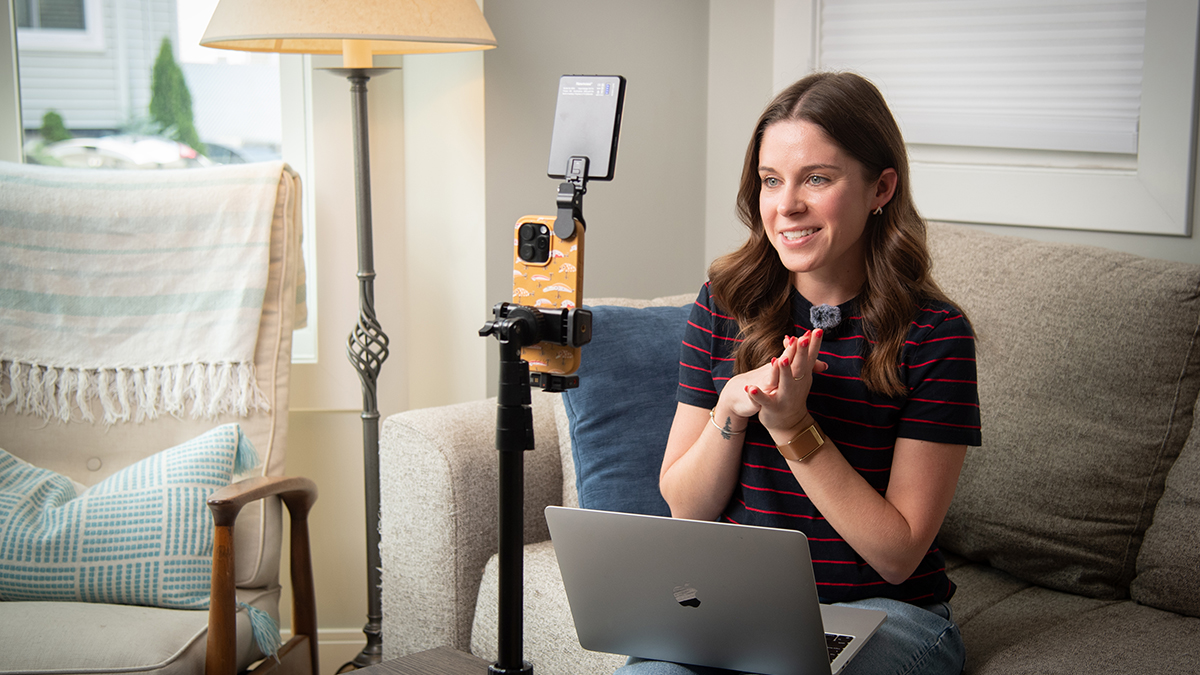
These School of Pharmacy alumni have made their mark on social media, bringing niche pharmacy expertise to a wider audience.
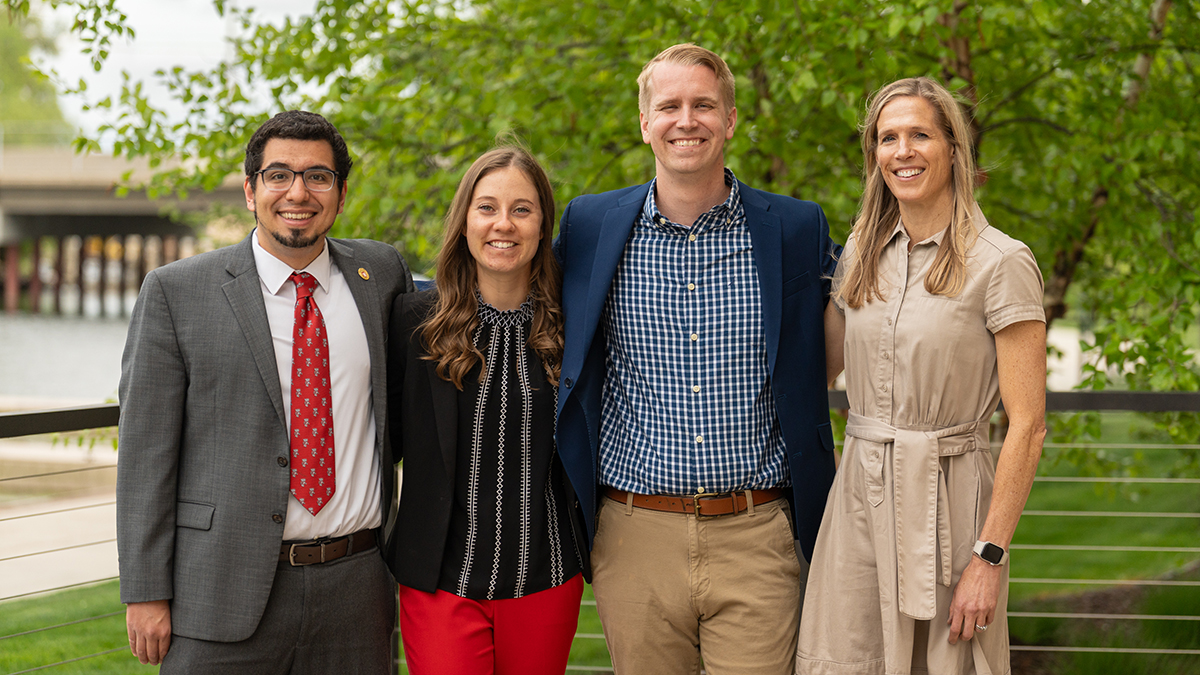
From developing personalized care models to bridging healthcare access gaps, three Madison-area alumni highlight new ways of moving the pharmacy industry forward.