Whether they pursue pharmacy, medicine, research, or industry, PharmTox graduates are prepared to succeed
Physician, surgeon, pharmaceutical company executive, research and development manager — these are just a few of the outcomes possible for graduates of the University of Wisconsin–Madison School of Pharmacy’s Pharmacology and Toxicology bachelor’s degree program.
After taking basic science courses like biology and chemistry and a competitive admissions process, students spend their final two undergraduate years in the major, focusing on specialized courses covering pharmacology, toxicology, pharmaceutical sciences, and drug development.
Students learn how drugs work and how chemicals affect people, applying their foundational scientific knowledge to human health.
“PharmTox is one of the most rigorous undergraduate biological sciences program on campus, and the students who come in do so knowing it will be tough,” says Professor of Pharmaceutical Sciences Jeff Johnson, faculty director of the program. “They also know from history that if they perform well, odds are they can get into medical school, grad school, or whatever else they want to do. Our students’ outcomes have always been quite amazing.”
“PharmTox is one of the most rigorous undergraduate biological sciences program on campus, and the students who come in do so knowing it will be tough.”
–Jeff Johnson
Those outcomes include 95% being employed or pursuing graduate education within six months of graduation, per UW–Madison’s 2024–25 First Destination Survey. Among those employed, 62.5% of graduates are pursuing scientific research and development, and 25% are working in healthcare. Among those pursuing education, 83.3% are in a doctoral program, with the majority choosing pharmacy, biomedical sciences, or medicine. And 100% of PharmTox survey respondents agreed that the program prepared them for their next step.
These exceptional results are due to the intentional, small cohort-based curriculum that combines broad scientific knowledge with practical skills and extensive research experience.
“Our goal is to prepare people for whatever comes next, and we’ve shown the range of that,” says Kendra Gurnee, PharmTox program manager. “This shows that the PharmTox program prepares people for health professions and graduate school, and that there are many pathways to success.”
Coursework in basic science and practical lab skills
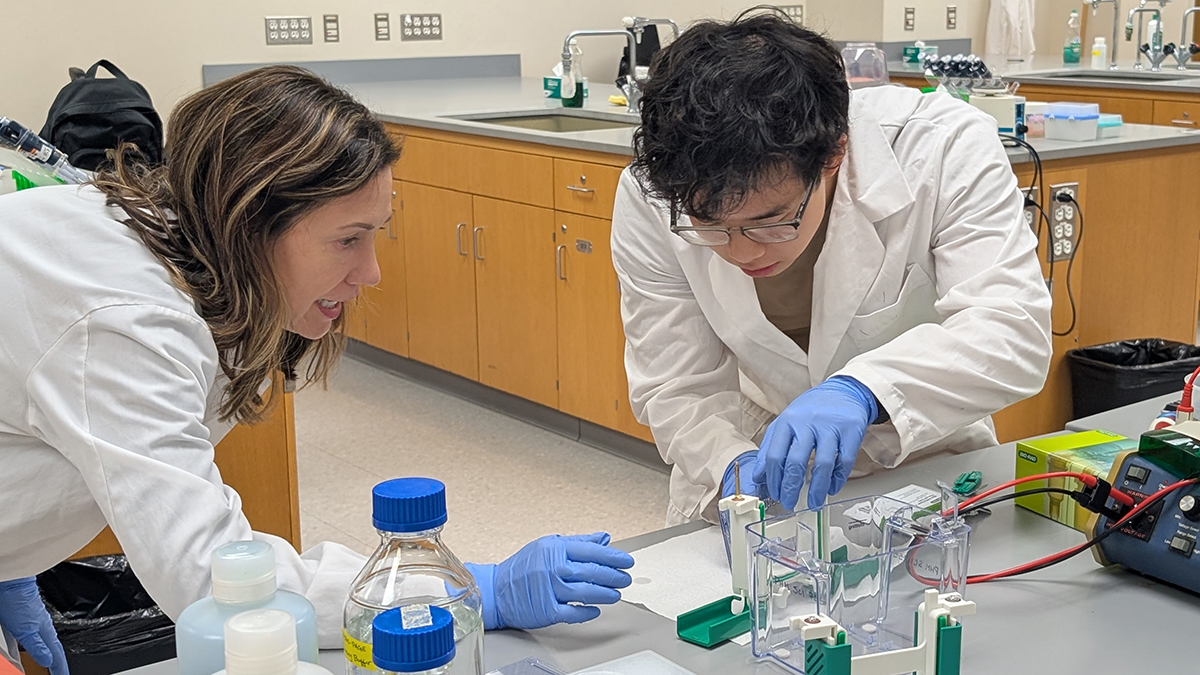
In addition to a range of science courses and specialized courses, PharmTox students joining the program take a class featuring rotating instructors, including faculty members and industry experts, who teach students a range of lab techniques, from basic mass spectrometry to assays.
“They get exposure to multiple lab techniques and connect with faculty,” says Gurnee. “Students appreciate learning about sophisticated techniques they wouldn’t typically learn in an undergraduate course.”
In both junior and senior years, PharmTox students also take seminars that teach professional skills like writing research proposals, scientific presentations, and giving peer feedback.
“The PharmTox major’s placement at the intersection of multiple disciplines is truly valuable and unique,” says Allie Barrett (BS ‘25), a research and development scientist at AstraZeneca. “I can’t think of another major on campus that offers such breadth of exposure. You are immersed in everything from physiology and biochemistry to pathology, which means you’re never stuck in one lane.”
PharmTox students’ specialized courses are graduate-level courses taken alongside students in the Pharmaceutical Sciences PhD program, with room for electives in healthcare, research, data science, or life science communication.
“Sharing the classroom with graduate students gave us a taste of the expectations and rigor that come with advanced study well before making any big career decisions,” says Barrett.
The PharmTox program ensures you engage with all the foundational elements that support research in pharmacy, medicine, and other life science fields.
“I owe a lot to the School of Pharmacy and the PharmTox degree,” says cardiologist Scott Haugen (BS ’95), the 2026 PharmTox Alumnus of the Year. “It set me up to excel in college with the right curriculum and gave me that foundation that I needed both to get into a good medical school and then do well enough to select a residency that would be my first choice.”
Research requirement
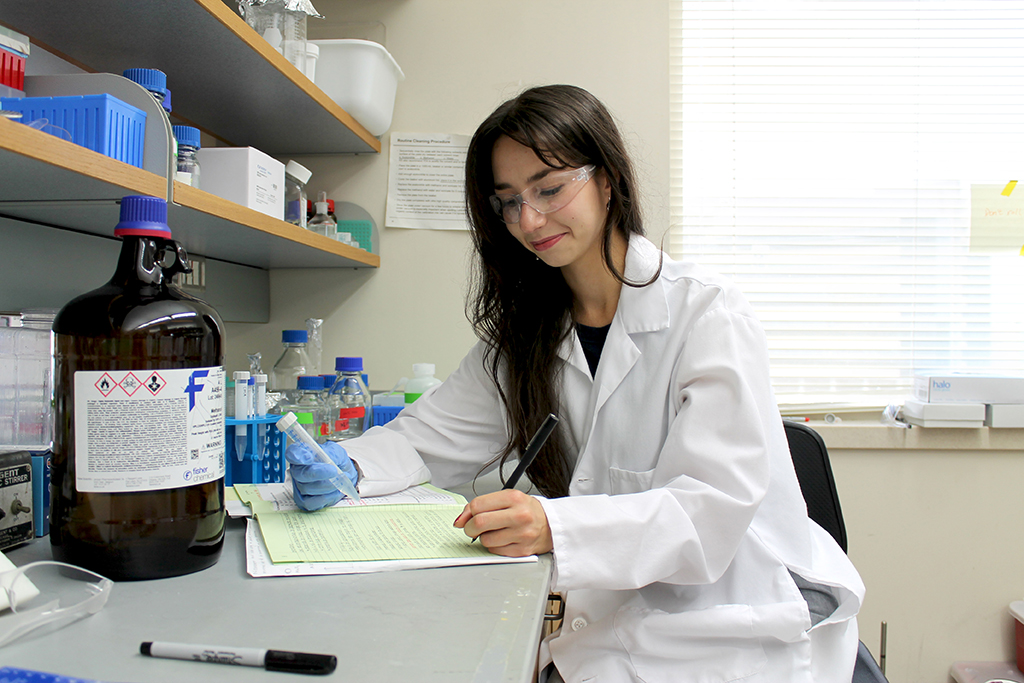
The centerpiece of the program is research exposure. PharmTox students are required to do research in an on-campus lab of their own choosing, exploring the wet-lab-based research that’s most intriguing to them.
“The research requirement is really good preparation for next steps — technical skills using lab equipment, scientific analysis, writing, collaboration, problem solving, working on a team,” Gurnee says. “They gain work experience and professional skills, even if they don’t end up working in a lab or doing research as a career.”
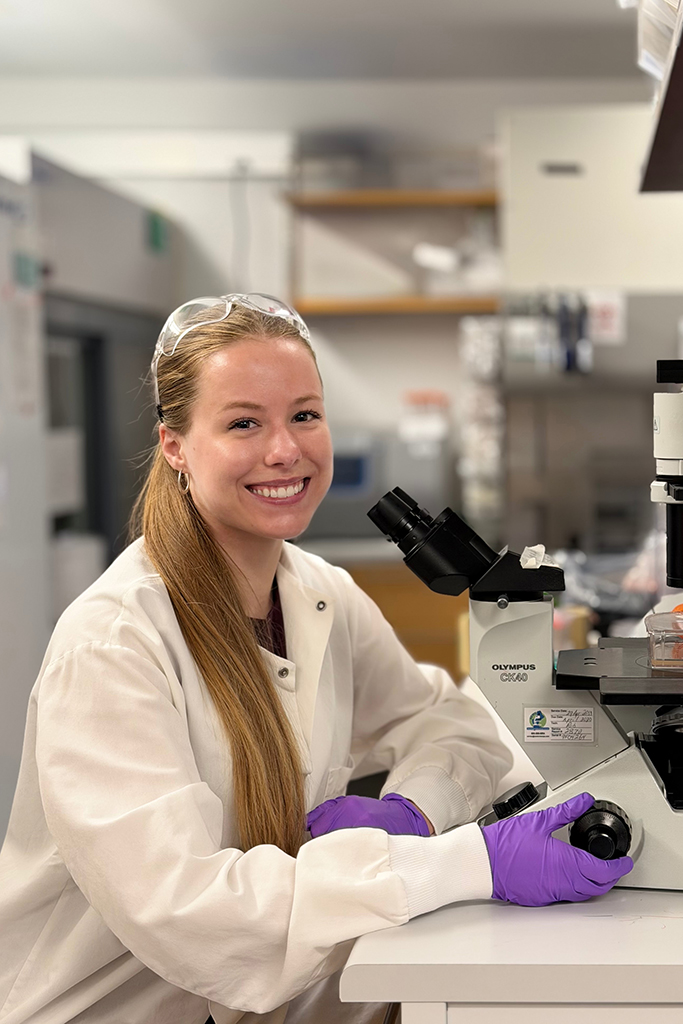
When Barrett discovered the PharmTox major and its research requirement, she joined the Undergraduate Research Scholars (URS) program and a lab that became her academic home for the next three years.
“What set the PharmTox curriculum apart for me was how strongly it emphasized early, direct participation in research,” she says. “This early hands-on experience shaped the critical-thinking and problem-solving abilities I rely on every day as a scientist at AstraZeneca.”
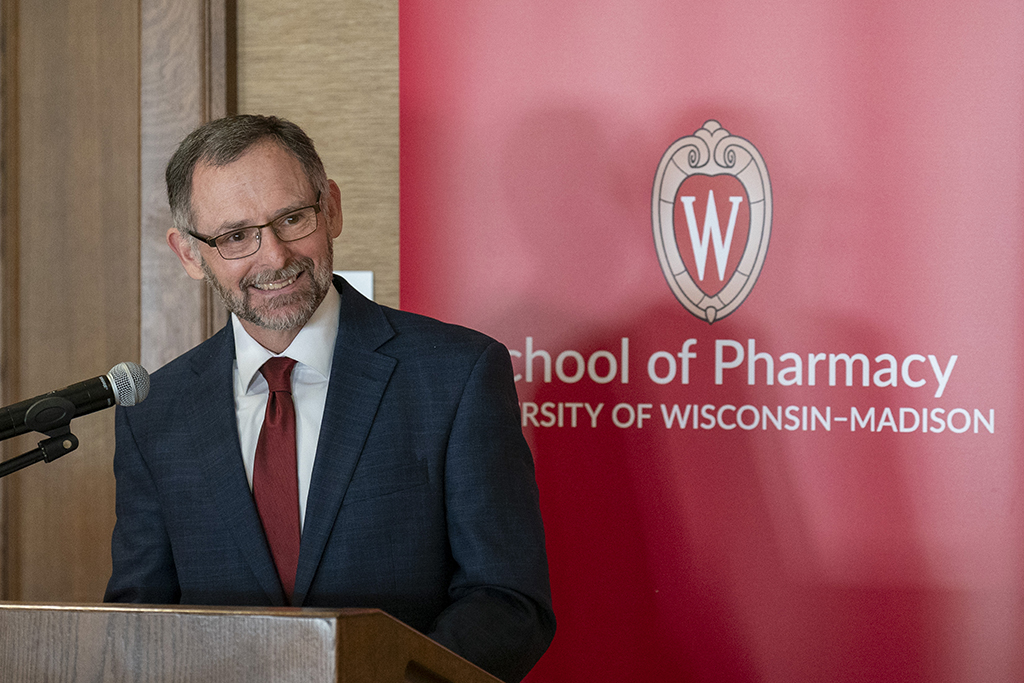
2024 PharmTox Alumnus of the Year John Davis (BS ‘90), senior vice president and head of preclinical development at Dyne Therapeutics, says his PharmTox research experience was invaluable.
“There were many senior scientists, graduate students, and postdocs who were all willing to sit down with me and answer my questions,” says Davis. “It was very helpful in getting a sense of what I wanted to do long-term in my career, and I developed lifelong friendships.”
Johnson believes the major’s research component helps students’ applications to graduate school and professional roles stand out.
“In addition to their outstanding academic performance, the research adds a new dynamic to their applications,” Johnson says. “It’s a combination, I think, of the strength of the students, academic excellence, and their ability to multitask. It seems like we get the best of the best in the program.”
Small cohort, exceptional support
The PharmTox student cohorts are small — usually less than 25 students — which lends itself to individualized support, skills-focused advising, and strong connections between students and with faculty. Gurnee provides academic and career advising that includes mock interviews, talking about grad school and connecting with faculty, and feedback on resumes and cover letters.
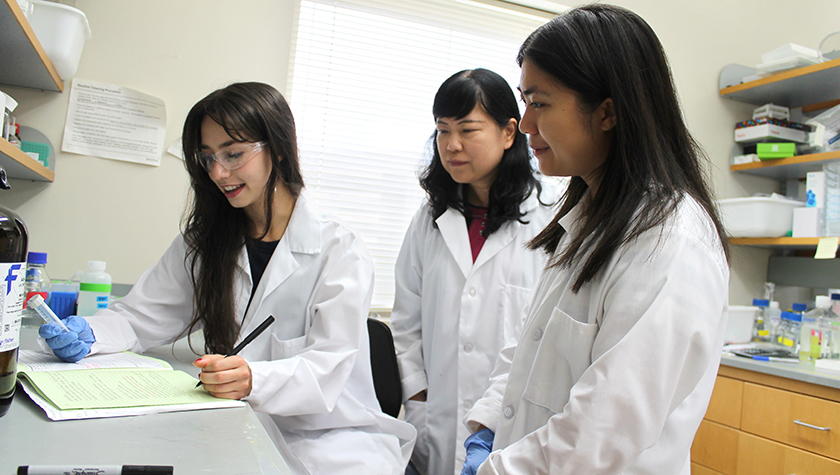
“Our small cohort size meant that labs and seminars could be tailored to each individual’s needs,” Barrett says. “This level of personal attention enabled us to pursue specific research topics we were passionate about and receive mentorship that shaped our future professional paths.”
Gurnee describes PharmTox majors as highly motivated students who gravitate toward the program’s tight-knit community.
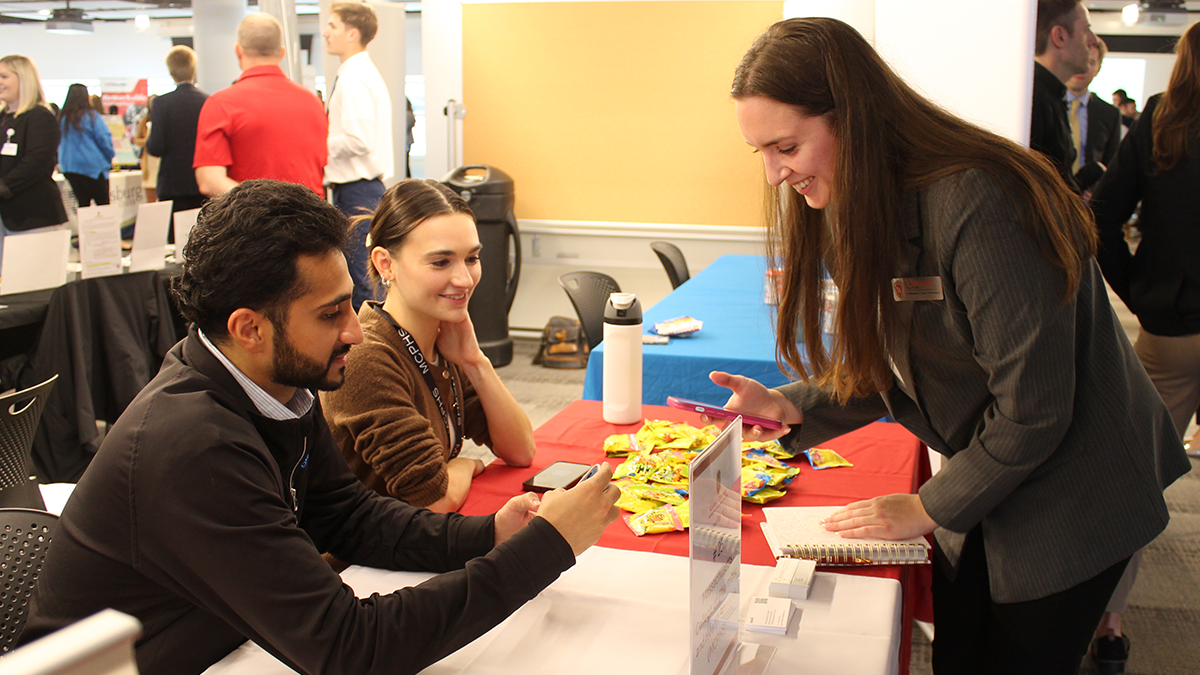
“Students often talk about how having their cohort is steadying and has motivated them to keep going,” Gurnee says. “They help each other network, sharing companies, jobs, and lab opportunities with each other and offering ideas, advice, and encouragement.”
The UW PharmTox External Advisory Board, which meets biannually to ensure that the program continues to reflect employment trends and needs, includes alumni in a range of fields, including Haugen and Davis.
“We have this feedback mechanism that can help us improve and hopefully contribute to student outcomes,” Gurnee says. “We had a curriculum change a few years ago, and the board went through the new syllabi and gave feedback. That keeps our curriculum responsive to new trends.”
Exceptional outcomes
In addition to the stellar job and graduate school placement statistics, the PharmTox program has a strong history of students earning competitive campus research fellowships and awards, like the Hilldale Fellowship. In 2026, two students earned Hilldale Undergraduate/Faculty Research Fellowships, one earned a Ginsberg Award, and another received an honorable mention for the Theodore Herfurth and Teddy Kubly Awards for Comprehensive Undergraduate Excellence.
“It’s a rigorous major, in which students think critically, solve problems collaboratively, and communicate scientifically,” says Gurnee. “It requires independence and initiative.”
It’s a foundation, Barrett says, that shows up every day on the job.
“As an early-career scientist, having this flexibility and the ability to wear many hats is absolutely essential, especially in a world that increasingly values adaptability,” she says.
With industry fellowships on the rise, the School of Pharmacy is giving students the tools, networks, and training to compete.