These early-career alums are making health care more accessible, sustainable, and impactful
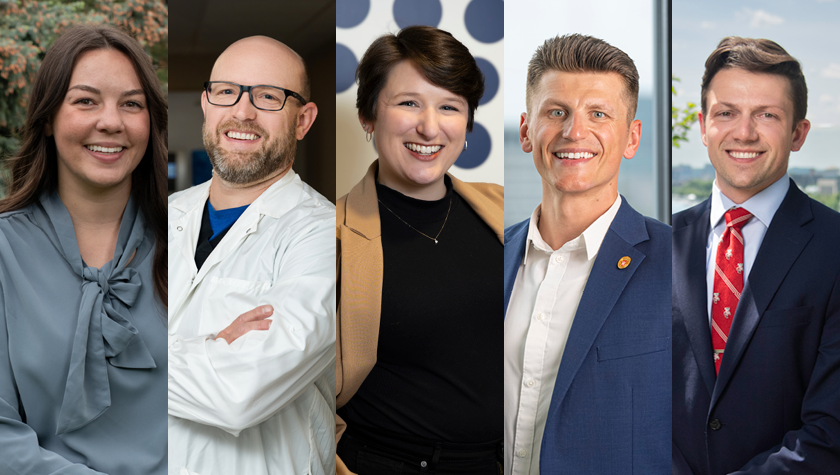
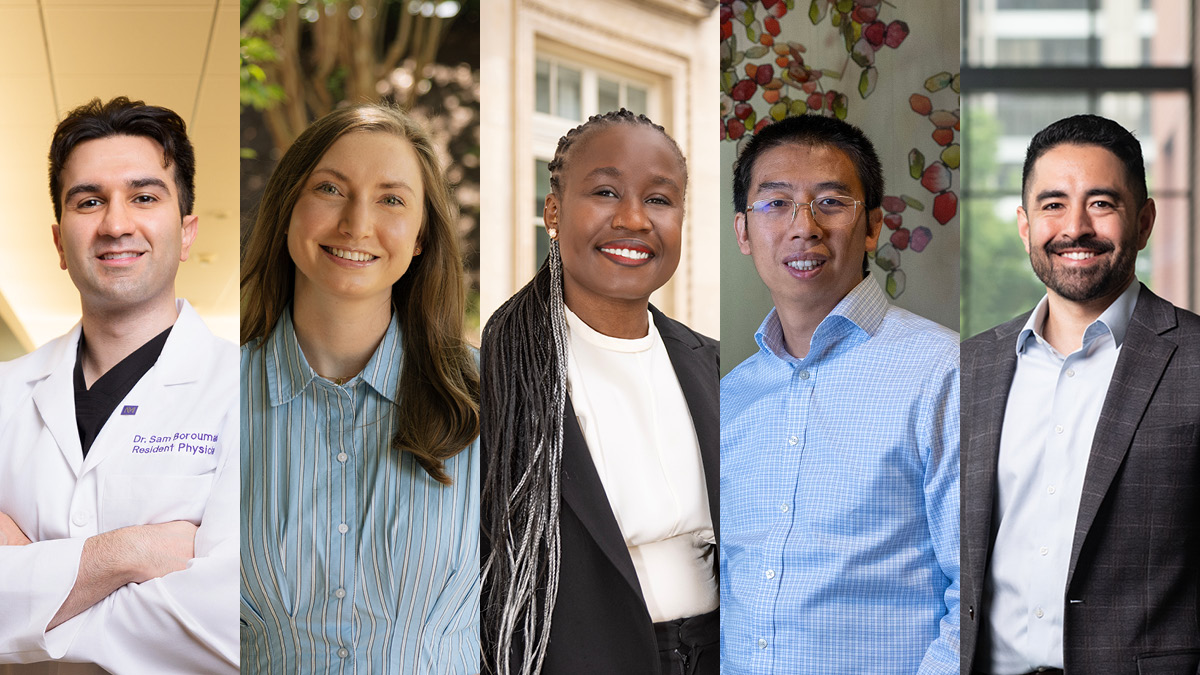
In superhero stories, the fate of the future often depends on enterprising teams of five, from the Incredibles to the Guardians of the Galaxy. The University of Wisconsin–Madison School of Pharmacy has assembled a dream team of five alums who are brightening the future through patient care, research, mentoring, and innovation. Each alum represents one of the school’s five major degree programs: Bachelor of Science in Pharmacology and Toxicology (PharmTox), Doctor of Pharmacy (PharmD), Master of Science in Health-System Pharmacy Administration and Leadership (HSPAL), PhD in Health Services Research in Pharmacy (HSRP), and MS or PhD in Pharmaceutical Sciences (PharmSci).
This year’s honorees are redefining research, patient care, and education, whether they’re preparing new drugs for clinical trials, improving the patient experience, or applying pharmacy knowledge in other fields. Their accomplishments include revolutionizing face transplants, using technology to enhance specialty pharmacy services, finding creative solutions to supply-chain problems, researching pharmacist-led interventions for HIV and substance use disorders, and developing new therapies for rare diseases.
Location: Chicago, Illinois
Position/Employer: Plastic and Reconstructive Surgery Resident, Northwestern Memorial Hospital
Claim to Fame: Working with his mentor, Bohdan Pomahac (chief of plastic and reconstructive surgery at Yale) to develop a novel methodology for quantitatively measuring facial ptosis in patients who’ve received face transplants.
Proudest moment: “Finding out I was going to be a plastic surgery resident at Northwestern, one of the top programs in the country. Plastics is one of the more competitive specialties, so a lot of hard work went into my application. Plus, I grew up in the Chicago suburbs, so it’s nice to return close to home for my training.”
Inspiration: “Plastic surgery can restore a patient’s identity and improve their quality of life in profound ways, whether it’s recovering limb functionality after a trauma or a post-oncologic reconstruction. Helping people regain their sense of who they are is incredibly gratifying.”
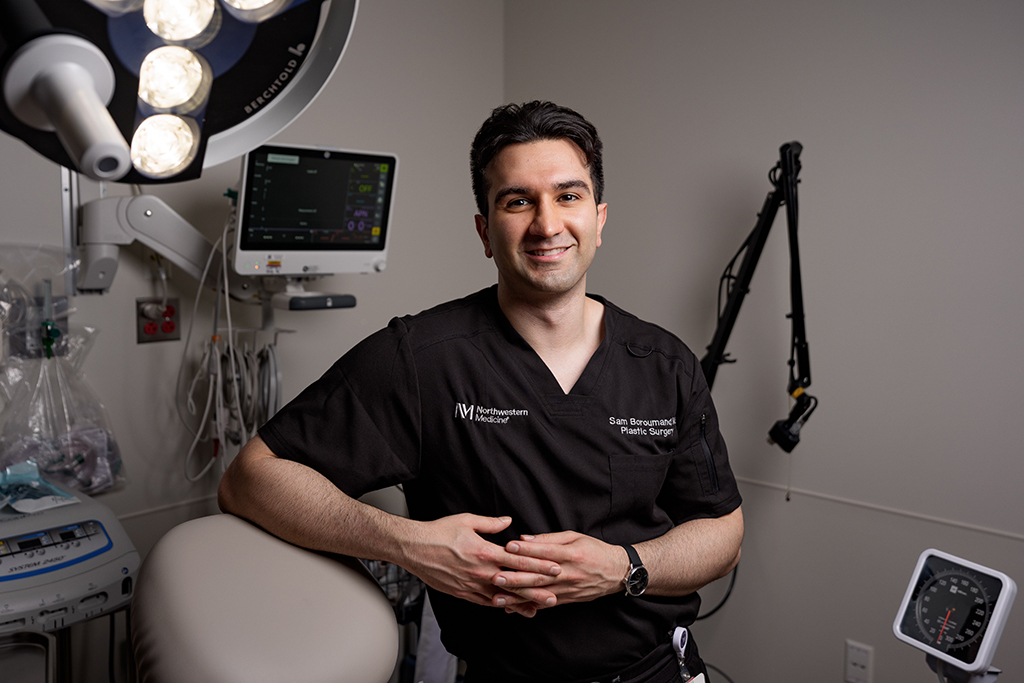
Sam Boroumand (BS ’18) is a first-year resident physician at a busy urban hospital. If his life were a TV show, it might look a bit like The Pitt: fast paced, action packed, and filled with opportunities to make a difference.
“The work can vary a lot, day to day. Some days I am running around the hospital seeing consults that range from soft tissue wounds to nerve injuries, hand fractures, and even facial laceration repairs. Other days I am scrubbed into the operating room assisting with a wide variety of surgical cases,” he says. “Plus, each month, I’m on a different plastic surgery service or related specialty. Right now, it’s orthopedic oncology, and last month it was pediatric surgery.”
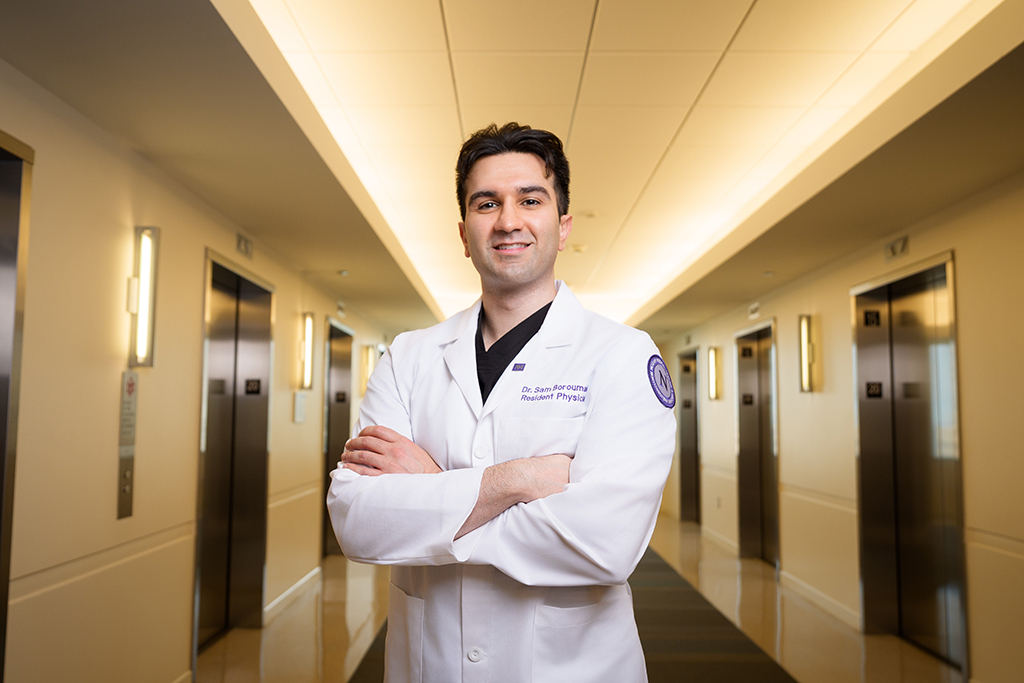
Unlike the protagonists of The Pitt, Boroumand is a surgeon rather than an emergency medicine doctor, and he works at Northwestern Memorial in Chicago, not the fictional Pittsburgh Trauma Medical Center.
The UW–Madison School of Pharmacy’s Pharmacology and Toxicology Program provided an ideal foundation for Boroumand’s training at the Yale School of Medicine. At Yale, he earned an MD and completed a one-year Master of Health Science program centered on a research thesis in 2025.
“The knowledge I gained about pharmacokinetics and drug mechanisms of action carried over nicely in medical school, and the framework we were taught to think about research has been really valuable,” he explains.
Boroumand’s PharmTox cohort had just 18 students, which allowed everyone ample time with faculty members and other mentors for their research projects. Learning how to formulate a strong research question has served Boroumand well. In the PharmTox program, he discovered how to do this with a series of queries that encourage specificity and impactful findings.
“The program taught me how important it is to define your research question and outcome measures with intentionality,” he says. “For instance, you may want ask yourself how a certain procedural technique might improve post-operative outcomes. However, you first have to clearly define what outcome it is you are trying to evaluate. Is it rates of infection? Occurrences of surgical site dehiscence? Patients’ subjective measurements of post-operative pain?”
“When you help kids practice shooting a ball into a net, there’s an opportunity for a bigger lesson about repetition, dedication, and staying consistent."
–Sam Boroumand
This combination of curiosity and scientific rigor helped Boroumand win a number of fellowships as an undergraduate. A summer 2017 fellowship from the Parkinson’s Foundation and the American Parkinson Disease Association supported “Proof-of-concept study for the development of non-invasive immunotherapy for Parkinson’s disease: intranasal targeting of immunoglobulin G antibodies to the central nervous system (CNS),” a project he completed in the lab of former School of Pharmacy Professor of Pharmaceutical Sciences Robert Thorne. Boroumand was able to continue his work in this lab the following academic year thanks to a 2017 Hilldale Undergraduate/Faculty Research Fellowship.
These experiences also helped Boroumand excel in his master’s program at Yale, where he developed an original research thesis on face transplantation. In the process, he created something novel: a way of quantifying facial ptosis in this patient population and tracking it over time.
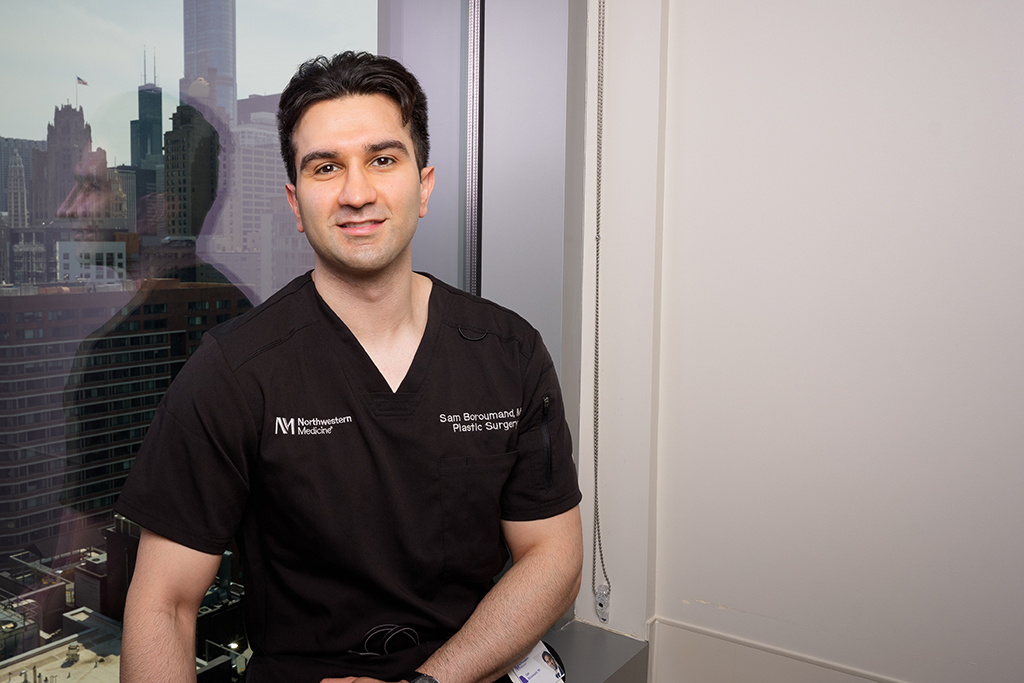
“Face transplantation is a relatively new area of plastic surgery, so a system like this has not been previously explored or developed,” Boroumand explains. “When a patient gets a face transplant, the facial allograft tends to droop down over time, what we refer to as facial ptosis, and can impede a patient’s functionality. For example, patient’s that experience ptosis near their oral commissure may have difficulty retaining food and water when they try to eat. Or patients that have ptosis of their upper eyelids may have negative impacts to their ability to see. Having a set of metrics to quantify this ptosis over time makes it easier to plan for the timing of the patient’s revision surgeries to address these regions of soft tissue laxity.”
Though Boroumand has several years of residency to go, he suspects that another experience from the School of Pharmacy will shape his path forward. It traces back to Ken Niemeyer, former PharmTox program advisor, who helped Boroumand decide to serve in AmeriCorps after graduation. Through this experience, Boroumand discovered how much he enjoys mentoring by working at Up2Us Sports, a national nonprofit that uses athletics to teach life skills to youth.
“When you help kids practice shooting a ball into a net, there’s an opportunity for a bigger lesson about repetition, dedication, and staying consistent. I really liked that approach to mentoring,” Boroumand says.
His passion for mentoring continues in his residency training as well, as he works with and guides medical students interested in pursuing plastic surgery. His impact is already rippling outward, through his work both improving his patients’ quality of life and mentoring the next generation of surgeons finding their footing.
Back to top
Location: Nashville, Tennessee
Employer/Position: Patient Care Improvement and Research Clinical Pharmacist, Vanderbilt Specialty Pharmacy
Claim to Fame: Driving positive change through research and technology-focused quality improvement efforts
Proudest Moment: "Taking a risk to move across the country for my residency program. This meant adjusting to a different environment and culture. It wasn't easy, but it was worth it because it brought me to where I am today, and I'm proud that I challenged myself in this way."
Inspiration: “My health outcomes and research team. Seeing this group of hardworking and motivated researchers come together to improve and reduce gaps in patient care is truly inspiring. We collaborate with each other and with many different health system specialty pharmacies across the nation."
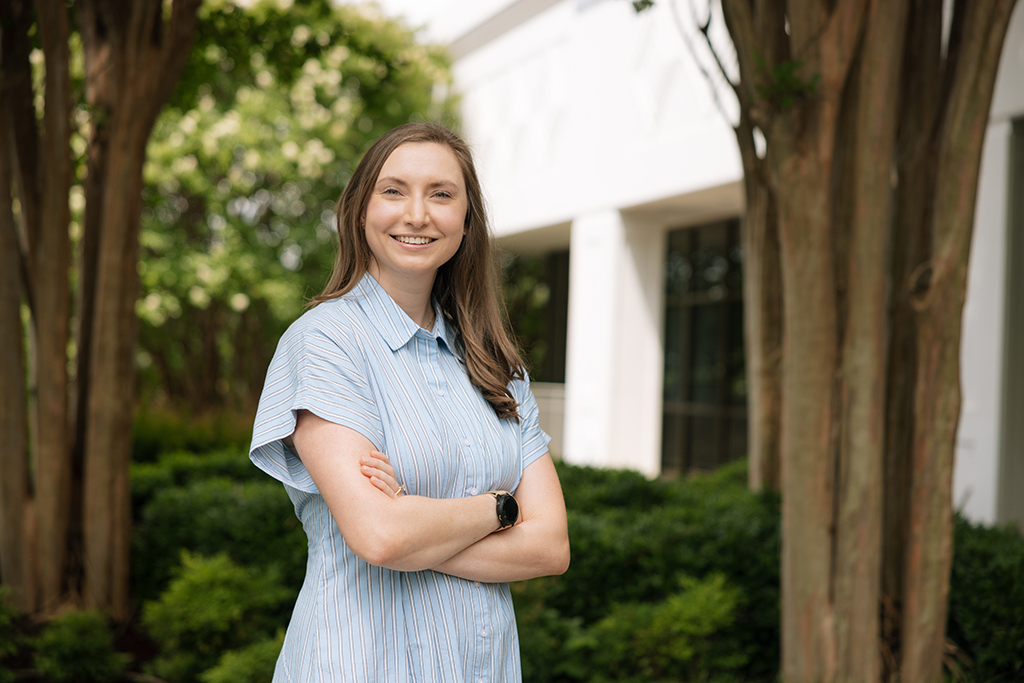
Miranda Murray (PharmD ’20) doesn’t view change as an inescapable force. This may be true, but change is so much more than that. It’s a necessary part of growth and a vital source of opportunities.
“Positive change is a theme for me,” Murray says. “I’m always searching for innovative and impactful solutions to complex situations and asking how we can make things streamlined and easier for the pharmacists and technicians taking care of patients who need specialty medications.”
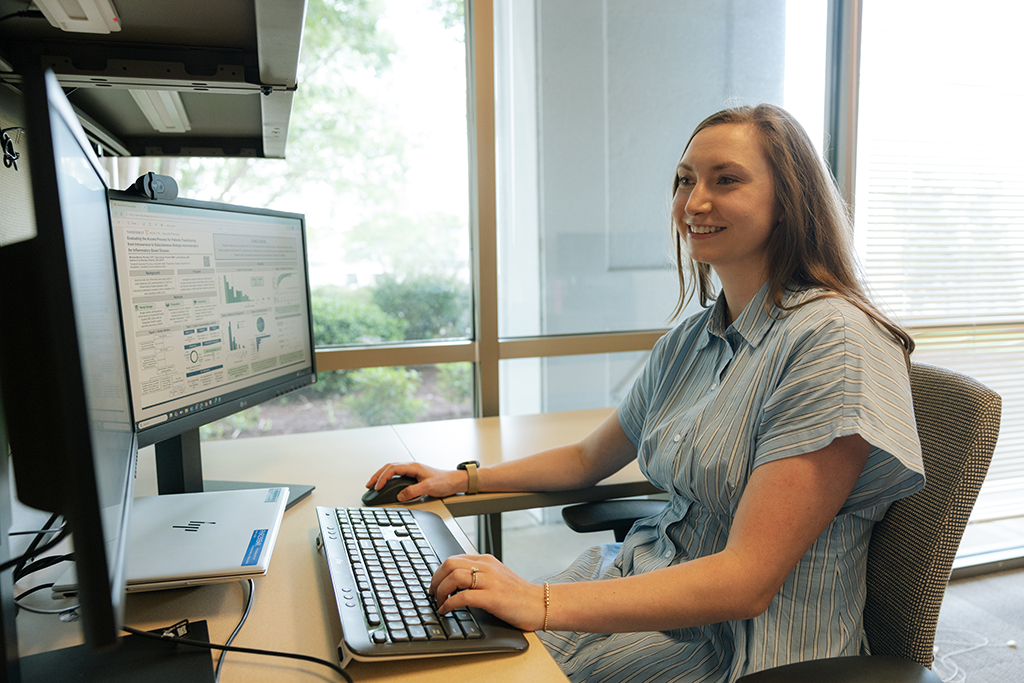
Murray studied organizational change in UW–Madison’s Pharmacy Operations and Technology Management (OTM) track in the PharmD program, which is designed for students drawn to pharmacy leadership, health systems management, and using technology to enhance patient care. OTM students complete 12 credits in the Wisconsin School of Business, all of which count toward an MBA degree. Murray is currently finishing her MBA, with the goal of pursuing a role in specialty pharmacy administration or operations management.
Following graduation in the spring of 2020, Murray also embraced change on a personal level. She relocated to Tennessee after growing up in Minnesota and spending eight years as a student in Wisconsin. Though the COVID-19 pandemic was escalating, she couldn’t pass up a fantastic opportunity: serving as Vanderbilt University Medical Center's first community pharmacy resident in specialty pharmacy. In 2023, she took a job as a clinical pharmacist in the medical center’s Inflammatory Bowel Disease Clinic, where she helped patients manage their chronic disease state with life-changing medications.
Specialty pharmacy was barely on Murray’s radar when she started her educational journey. Inspired by her pharmacist grandfather, she set her sights on pharmacy school during her junior year of high school, then discovered her calling in specialty pharmacy through an internship at Lumicera Health Services after her second year of the PharmD program. The high-touch nature of patient care in specialty pharmacy quickly piqued her interest.
"I love to showcase how remarkable the field of specialty pharmacy is and show students the unique and rewarding benefits of a potential career in specialty pharmacy."
–Miranda Murray
"In specialty pharmacy, we spend a lot of time providing comprehensive education to patients about their complicated and nuanced medications, which often involves explaining what to expect from a therapy over time, how to manage side effects, administer it, and store it safely," she says.
Patients prescribed specialty medications for rare or complex conditions also need close monitoring and, in many cases, help navigating access barriers since these drugs tend to be expensive. Specialty pharmacists also help solve tricky problems related to transitions of care, complex dosing regimens, medication storage, and more.
A quest for stellar solutions drives Murray’s work at Vanderbilt Specialty Pharmacy. Since assuming her current role in 2024, she’s been implementing technology-focused tools that help pharmacists and pharmacy technicians improve patient care workflows. This includes building alerts into electronic medical records. A pharmacist might receive an alert to prevent a potential gap in care. For example, if a patient doesn’t have a specialty prescription on file when they should, if documentation of their medication prior authorization hasn’t been obtained yet, or if their care team is changing because they’re switching from an infusion to an injection.
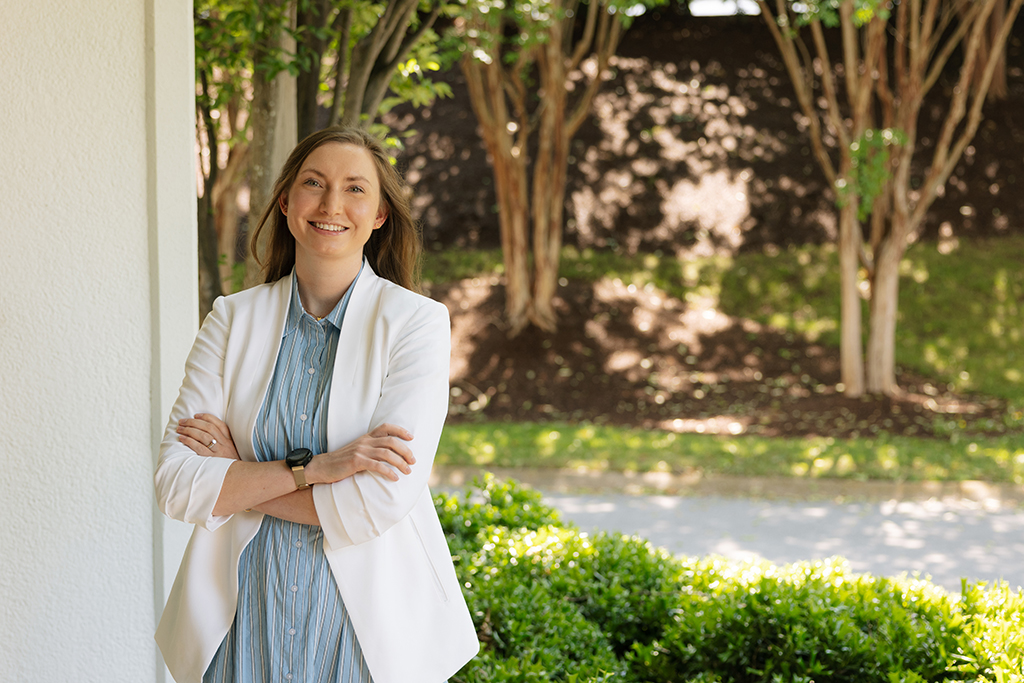
"I love creating solutions that help our pharmacists and our patients,” Murray says. “Streamlining a workflow might help solve a complex medication issue, prevent a gap in care for a patient, or improve the documentation process in a way that lets pharmacists focus more on direct patient care or makes it easier to conduct research projects.”
Murray contributes to academic research at Vanderbilt, too.
"In the specialty pharmacy setting, we work with therapies for treating rare diseases that are newly approved by the FDA," she says, noting that her group’s research often involves analyzing real-world evidence on medication adherence and dose optimization. Murray shares findings from these projects at conference presentations and in peer-reviewed journals.
Murray also mentors pharmacy students to develop research ideas, design poster presentations, and sharpen their manuscript-writing skills, all of which help them prepare for residency programs.
"I love to showcase how remarkable the field of specialty pharmacy is and show students the unique and rewarding benefits of a potential career in specialty pharmacy," she says.
Back to top
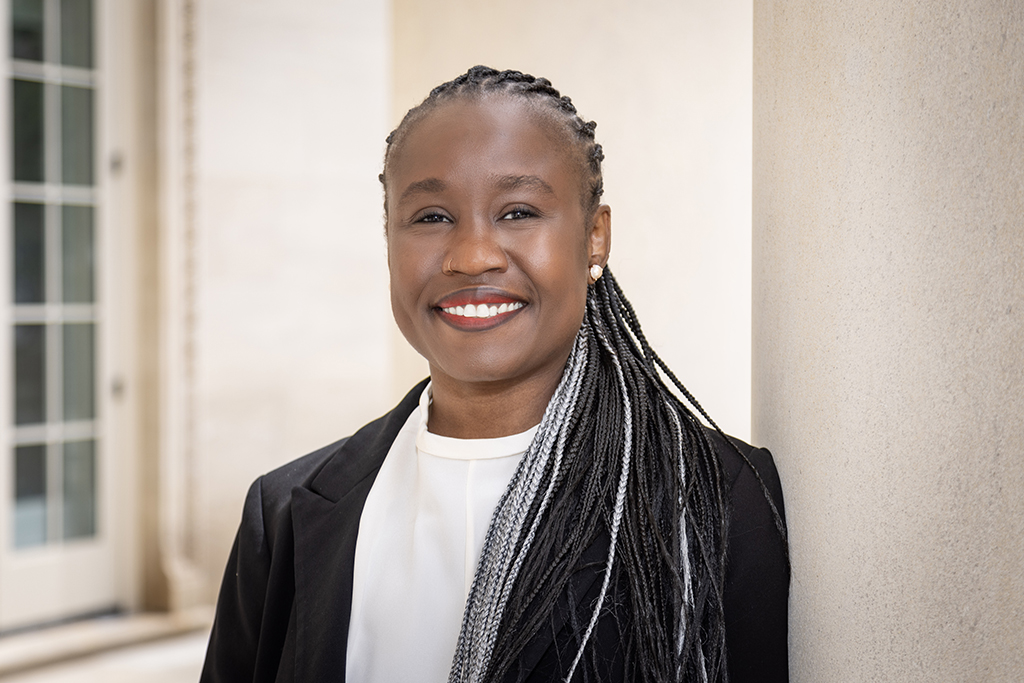
Location: New Haven, Connecticut
Employer/Position: Postdoctoral Associate, Division of Infectious Diseases, Yale School of Medicine
Claim to Fame: Receiving postdoctoral training through the nation’s first and only legal retail mobile pharmacy.
Proudest Moment: Being awarded her first big grant from the National Institutes of Health (NIH) K99-R00 Pathway to Independence Award in 2026 to support transition to faculty.
Inspiration: “Pharmacies that mirror the communities they serve and adapt to meet their needs. Some of the earlier HIV pharmacies are an example of this, and so are the local pharmacies that my mother owns and operates in Northern Nigeria.”
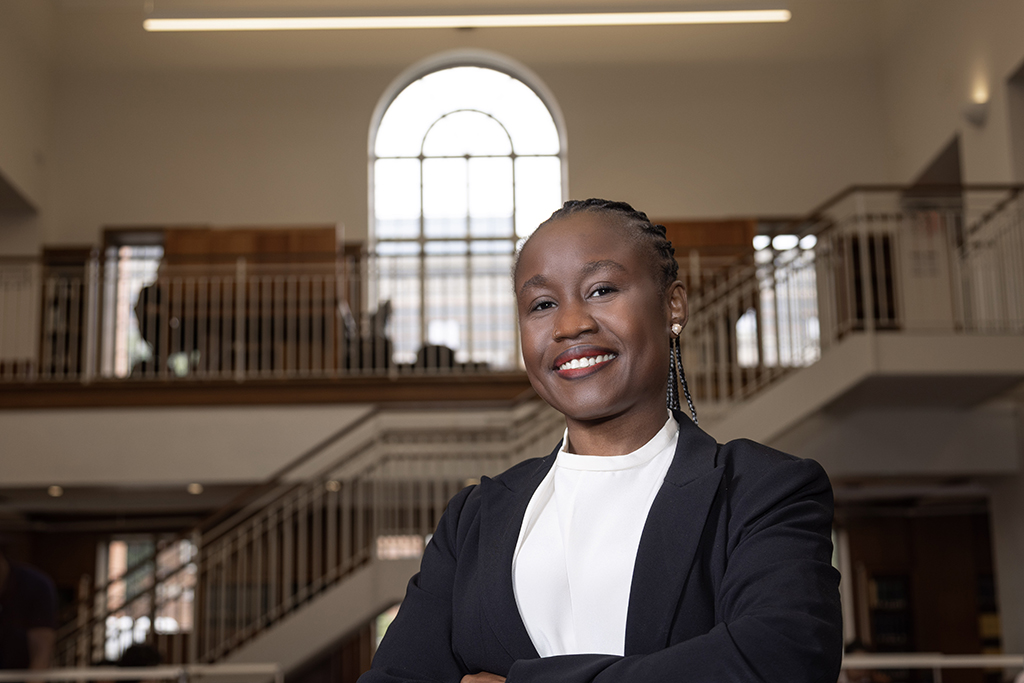
Adati Tarfa (PhD ’23) is on a mission. She wants to help community pharmacies thrive. She sees opportunities for them to expand their roles in ways that increase access to care and support public health. Plus, she knows that evidence has an important part to play in turning these opportunities into realities. All of this informed her scholarly work during her time in the UW–Madison School of Pharmacy’s HSRP program, and it drives her current research at the Yale School of Medicine, where she became a postdoctoral researcher in 2023.
“Pharmacies signal health care to people, and there are so many needs in the community that we can address through them,” she says. “I’m most interested in the pharmacy space itself, what it can do within a community to better support the people who live there.”

Tarfa’s research explores this question while gathering evidence about effective ways of tailoring pharmacy spaces to the communities they serve. Illustrating the feasibility of pharmacy-based health interventions is an integral piece of this work. Two disease states that interest her — HIV and substance use disorders (SUD) — provide a focal point.
“Specifically, I develop and evaluate novel interventions for people at risk of HIV or living with HIV, including people who use drugs. These interventions are designed to improve care and access to care for these groups,” she says.
One line of research involves recovery housing for people with SUD. This population tends to need substantial levels of support to achieve safety and stability, and community pharmacists are important figures in this journey. With the help of two grants, Tarfa has been interviewing community pharmacists who serve patients taking medications for opioid use disorders (MOUD) and living in this setting. She hopes to discover how community pharmacists can better support patients with SUD, particularly those diagnosed with HIV or at elevated risk of contracting it.
“Through conversations with community pharmacists, I discovered work I had not anticipated: pharmacists going directly into recovery housing to conduct naloxone training with residents, and one pharmacist who — before harm reduction tools, such as fentanyl test strips, became widely available — received substance samples from recovery housing managers to help identify what residents might be exposed to and develop a treatment plan,” she says. “These conversations make me eager to explore how these partnerships can be formalized and expanded.”
“Pharmacies signal health care to people, and there are so many needs in the community that we can address through them."
–Adati Tarfa
Tarfa believes that integrating community pharmacists into recovery housing networks will improve access to care and treatment continuity for this population.
“We’re hoping to see a more direct role for pharmacies in supporting people on MOUD to access recovery housing,” she says, noting that integrating MOUD into recovery housing “has the potential to reduce overdose deaths and improve outcomes.”
The idea to study recovery housing grew out of Tarfa’s work at InSTRIDE mobile pharmacy and clinic, founded by her mentor, physician Sandra Springer. The clinic travels to underserved communities throughout Connecticut, delivering health care, same-day medication access, and connections to social services and mental health resources. It’s also a place for researchers to learn more about populations facing multiple barriers to care. Through this work, Tarfa learned about participants with recovery housing experiences, sparking questions about the role community pharmacists could play in supporting this population.
“I noticed how pharmacies were able to support people in recovery houses and how there weren’t any studies that truly focused on the link between pharmacy, MOUD, and recovery housing,” she explains.
Tarfa says the UW–Madison School of Pharmacy laid the foundation for her current research and the career path she’s pursuing.
“It’s where I developed a deeper appreciation for both the power of scientific inquiry and the importance of asking questions that matter to patients and communities,” she says.
Looking ahead, Tarfa would like to lead an independent program where she can conduct impactful research while mentoring the next generation of scientists. To prepare for the mentoring aspect of this role, she’s developing a research consulting practice.
“It’s a way I can help students, clinicians, and early-career researchers build research skills, gain exposure to the research process, and translate ideas into meaningful scholarship,” she says.
Back to top
Location: South San Francisco, California
Employer/Position: Senior Principal Scientist, Genentech
Claim to Fame: Developing the formulation of innovative investigational medicines to support clinical trials.
Proudest Moment: Making sure an investigational medicine arrived at clinical trial sites on time, even though the deadline was in the spring of 2020, when there was no COVID-19 vaccine and many states had shelter-in-place orders.
Inspiration: Serving the underserved and saving lives through science.
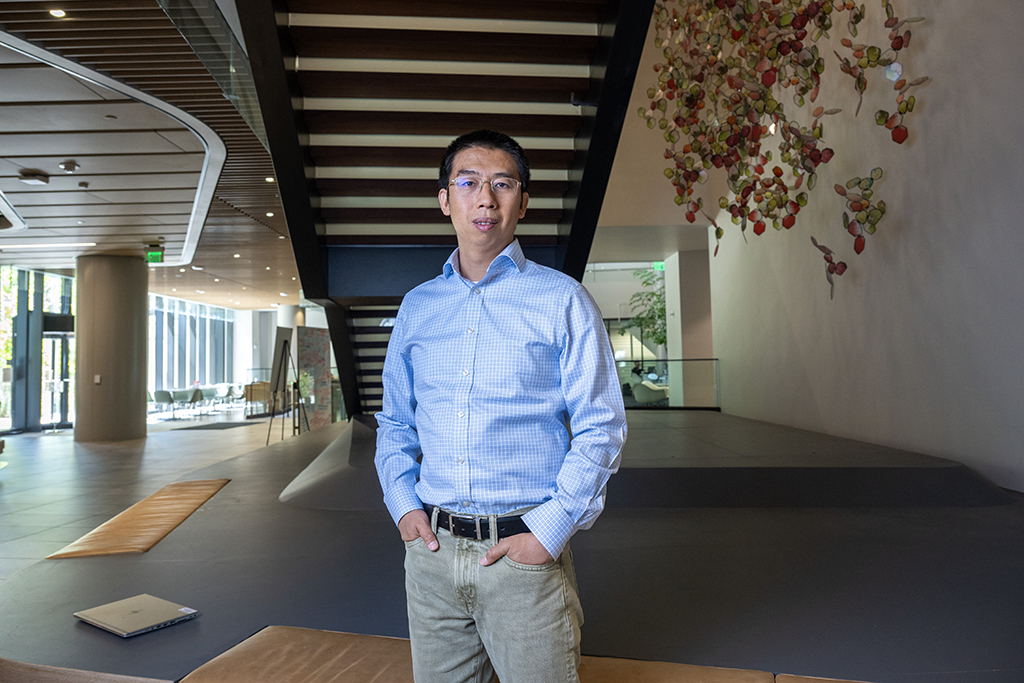
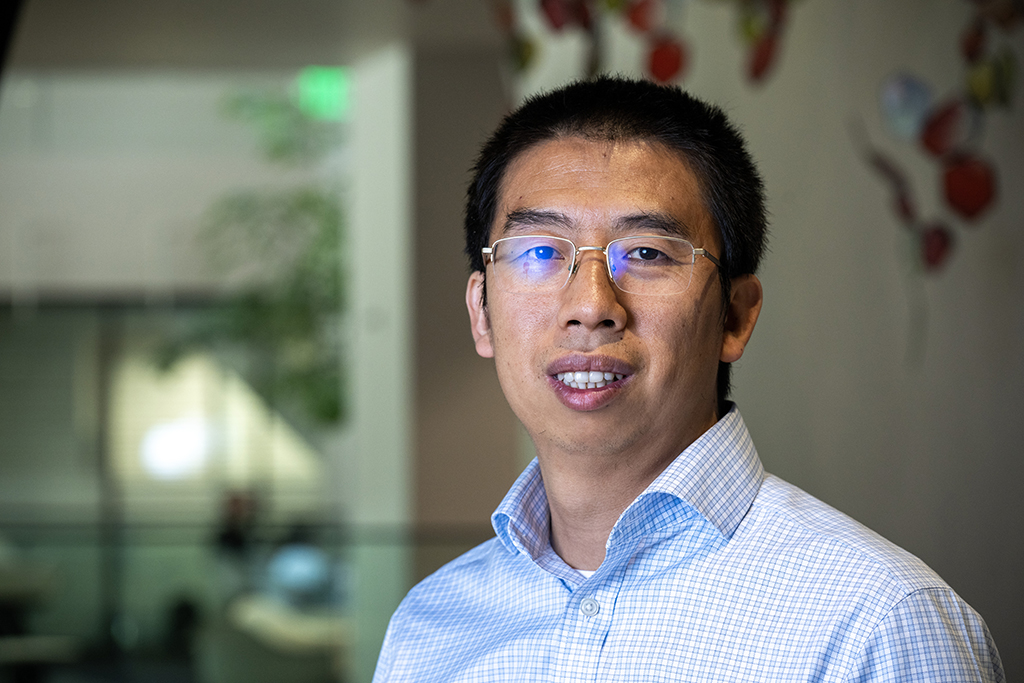
The future of medicine depends on scientists like Wei Zhang (PhD ’16). He readies investigational medicines for clinical trials at Genentech, a biotechnology company that develops therapies for hard-to-treat conditions such as multiple sclerosis and certain types of cancer.
“Contributing to this kind of ambition is what’s most important to me,” he says. “It’s something I can do to help make other people’s lives healthier and happier.”
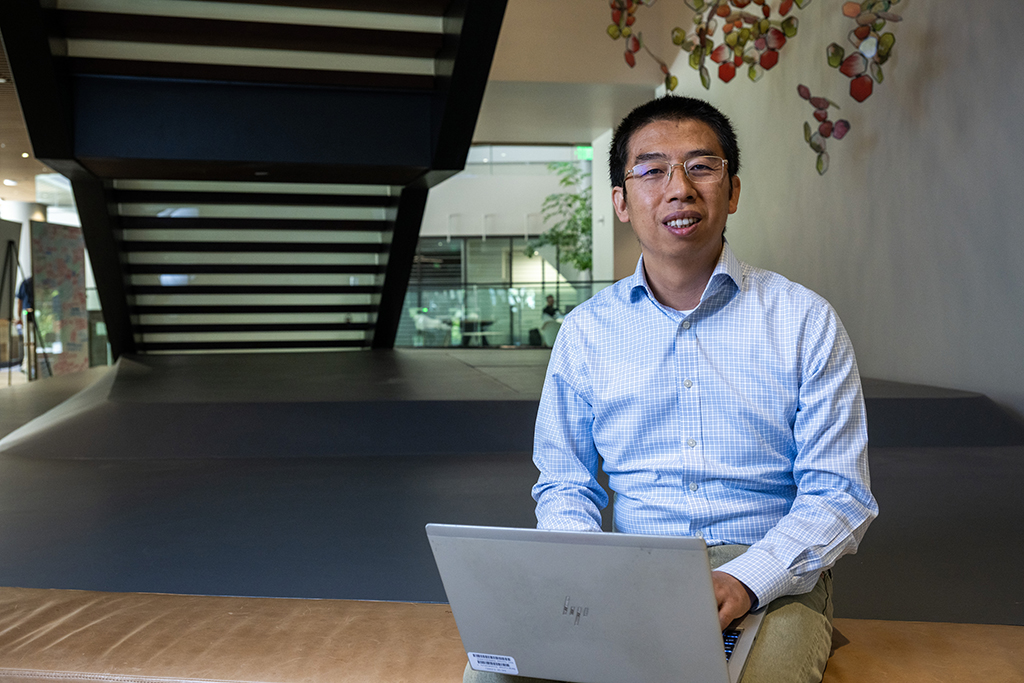
A small molecule formulation expert, Zhang turns pharmacologic agents into solid dosage forms such as tablets and capsules. This makes them easier to administer and ship to clinical trial sites around the world. Zhang makes sure that these investigational medicines are stable and bioavailable in pill form. He also determines if a particular formulation of a drug can be scaled for manufacturing. Zhang even develops manufacturing processes for these drugs and oversees their production from a technical standpoint.
Each of these steps is meaningful because it brings hope and a chance of healing.
“Every time an investigational medicine has been manufactured and is ready to ship to clinical trials, there is a possibility that it will make people’s lives better,” he says.
Working at Genentech also helps Zhang feel connected to his father, who died of cancer two years ago. Empathy for families of seriously ill patients motivates him to go above and beyond.
“Every time an investigational medicine has been manufactured and is ready to ship to clinical trials, there is a possibility that it will make people’s lives better."
–Wei Zhang
“If a new drug saves even one life, it means a great deal not only to the patient but their family,” he says.
He’s also grateful for the education that enables him to work in drug discovery and development. The part of China his family hails from is rural and so mountainous that it’s even hard to ride a bike..
“We didn’t have a telephone in the village when I was young, and my parents only had a middle school education,” he says. “Despite that, they were very supportive of my sister and I choosing to pursue higher education.”
As a teenager, Zhang studied for the China High School Biology Olympiad, winning a gold medal and building a strong foundation in life sciences. Then, when he was studying chemistry in college, his mother was diagnosed with a heart problem that required surgery.
“That’s when I knew I wanted a career related to health care, which eventually led me to the Pharmaceutical Sciences PhD program at the UW–Madison School of Pharmacy.”
In Madison, he found a mentor and thesis advisor, Professor of Pharmaceutical Sciences Lian Yu, whose lab is developing amorphous solid drugs that remain stable in hot and humid conditions.
“Working with Professor Yu provided a very good foundation for the work I’m doing now,” Zhang says. “He would say that making things correct takes effort, implying that there are multiple ways you can make something incorrect. You need to not only take accurate measurements so you have reliable data, but you also need to understand how your data collection systems work and what can make them go wrong.”
These days, Zhang is in the mentor role, both with Genentech interns and his 4-year-old daughter.
“I like to share both my scientific knowledge and my experience of working in the [pharmaceutical] industry with student interns and young scientists,” he says. “Mentoring the next generation is important for the future of this field, and I’ve heard that I’m good at it.”
Back to top
Location: Boston, Massachusetts
Employer/Position: Executive Director of Specialty and Ambulatory Pharmacy, Boston Medical Center
Claim to Fame: “Building high-performing pharmacy programs while staying grounded in the people behind the work. Whether leading major health system initiatives or exploring the backcountry, I believe the best outcomes come from preparation, teamwork, and embracing challenges that push you to grow.”
Proudest Moment: "Getting selected as the recipient of the 2020–21 Preceptor of the Year Award at Tufts Medical Center by the PGY1 pharmacy resident class. “They appreciated that I saw them as people, not just learners on rotation, and tailored their rotation to their goals and interests. I had mentors who took a similar approach and work to pay it forward.”
Inspiration: An enduring desire to help underserved patients. Building resilience through exposure to and learnings from challenging situations.
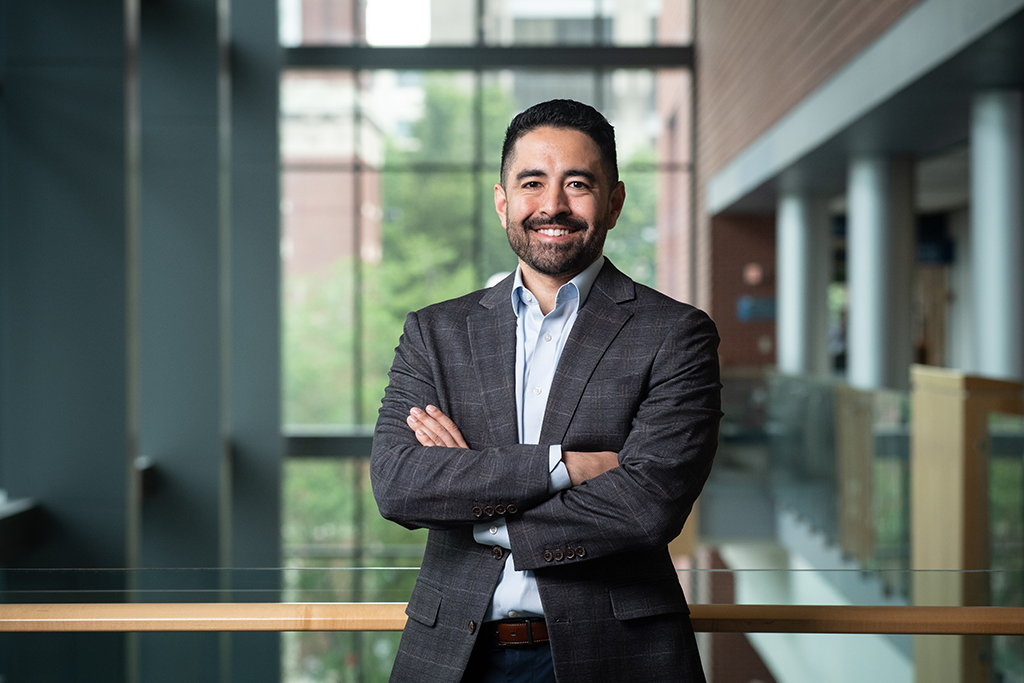
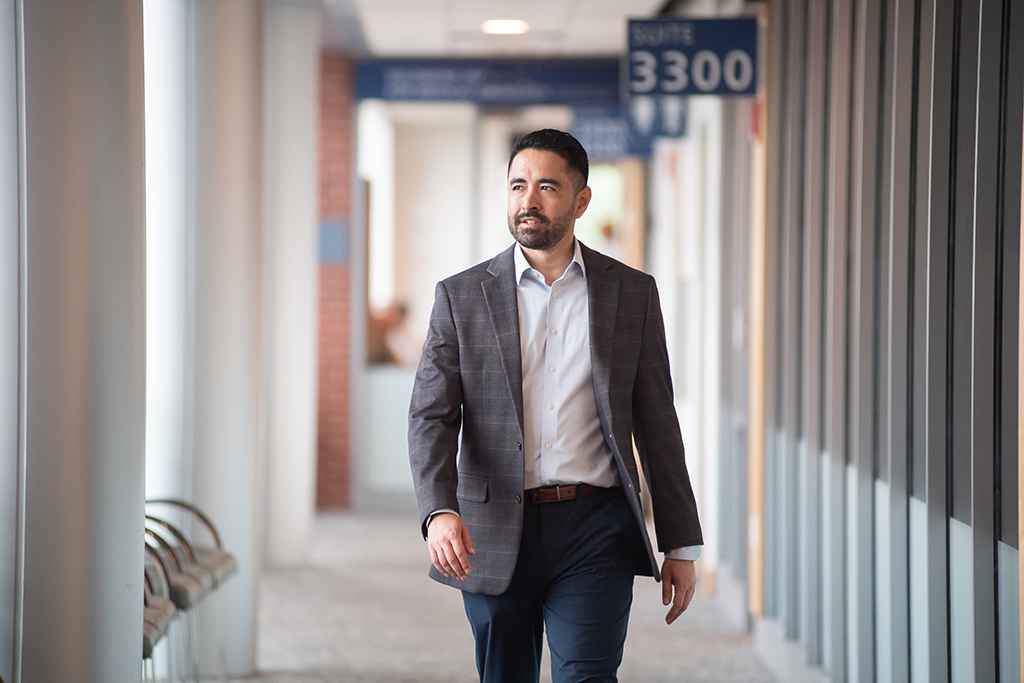
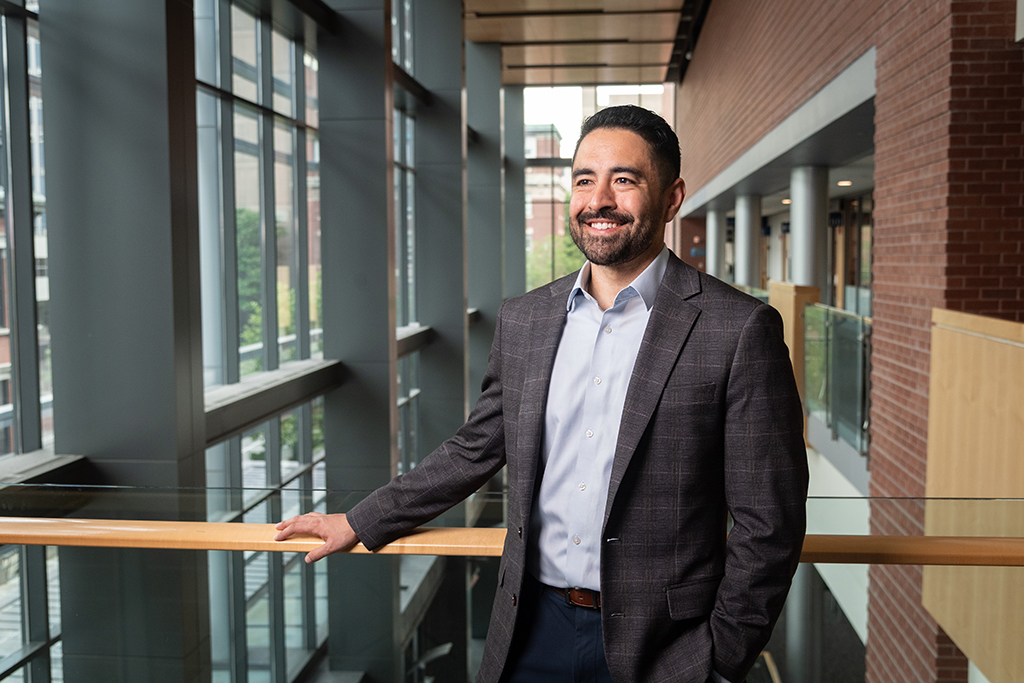
Health system pharmacy leader Nick Capote (MS ’17) knows how to stay calm under pressure, an asset for nearly any decision-maker. This skill was especially useful at his first post-master’s job: manager of sterile compounding and acute care pharmacy operations at Tufts Medical Center. A few months after he started the role, hurricanes battered Puerto Rico, damaging many pharmaceutical production facilities that produced a ripple effect of fluid bag shortages across the world. Before long, there was a nationwide shortage of the most common intravenous treatments.
“We had to figure out how to safely deliver medications to some of the sickest patients in Boston,” he recalls. “Patient care couldn't stop because the supply chain did. My responsibility was to find safe, evidence-based alternatives and execute quickly.”
The training Capote received in the UW’s HSPAL residency and master’s degree program helped him find a way forward while maintaining an even keel, accomplished through interdisciplinary relationship-building and reliance upon scientific evidence. This meant shifting most therapies to delivery mechanisms that called for more efficient use of fluid bags.
“I knew I could rely on both the change management skills and pharmacy practice rigor I’d developed in the UW [pharmacy administration] program,” he says. “My experience learning how to manage drug shortages while providing optimal pharmaceutical care gave me confidence that we could launch a safe and effective compounding program. This involved pulling together my staff as well as clinicians from various specialties.”
Now he looks back on the experience as an example of resilience, especially when faced with a thorny problem or an exhausting situation.
Capote also strengthens his resilience muscles through backcountry skiing, wilderness hiking, and other sports with a strong technical element. This interest, plus his interest in travel and venturing to new parts of the world, has taken him to 49 states and far-flung destinations such as Tenerife, a volcanic island off the coast of Morocco.
"The challenge wasn't just delivering excellent pharmacy care; it was creating systems that could scale consistently across multiple hospitals and care settings."
–Nick Capote
“Backcountry skiing rewards preparation, sound judgment, and adaptability; the same skills that matter in health care leadership,” he says. “You study the terrain, assess risk, trust your team, and adjust when conditions change. You’re finding your own pathway and solving problems. The reward is experiencing some of the most pristine ski routes you could imagine.”
Capote brings lessons from these adventures into his professional life, pushing himself to excel. At the same time, he reminds himself that career growth can look like a curvy line rather than a straight one.
Several of Capote’s mentors gave him a good piece of advice about choosing a job: Early in your career, optimize for learning, not titles. The skills you build today determine the opportunities you'll have tomorrow. Today, he delivers the same wisdom to the pharmacy residents he precepts. He also shares his own story.
“I thought I wanted to start in the outpatient space because that’s the direction so much health care was moving, but thinking about skills that would help me have a fulfilling career convinced me to consider positions in acute care,” Capote says. “There’s so much to be learned about operational issues such as getting medications from point A to point B, working with doctors and nurses, and leading change management. All of this seems to happen more intensely in hospitals, especially those with lots of high-acuity patients.”
Today, Capote leads specialty and ambulatory pharmacy services at Boston Medical Center, overseeing programs that support medication access, specialty pharmacy, infusion services, and longitudinal patient care across one of the nation's most complex safety-net populations. His focus is helping patients navigate increasingly complicated therapies while building sustainable pharmacy services that improve access, outcomes, and organizational performance. Before that, he spent three and a half years as director of oncology, infusion, and investigational drug pharmacy services at UCSF Health. Experience in seemingly different yet complementary pharmacy practice and management settings has built him a unique toolbox, along with high levels of resilience and perseverance.
“UCSF taught me how to think beyond a single hospital. The challenge wasn't just delivering excellent pharmacy care; it was creating systems that could scale consistently across multiple hospitals and care settings,” he says. “That should serve me well since Boston Medical Center just acquired two hospitals.”
There’s lots of work to be done, but as someone drawn to details and prep, Capote is ready for the adventure.
Back to top
Recommend a recent alum for our 2027 feature