From tuberculosis to targeted cancer therapies, Pharmacology and Toxicology students are addressing global concerns with original research
From cancer biology to infectious diseases, students in the University of Wisconsin–Madison’s Pharmacology and Toxicology bachelor’s degree program are pursuing research in labs across campus that are tackling some of medicine’s most pressing challenges.
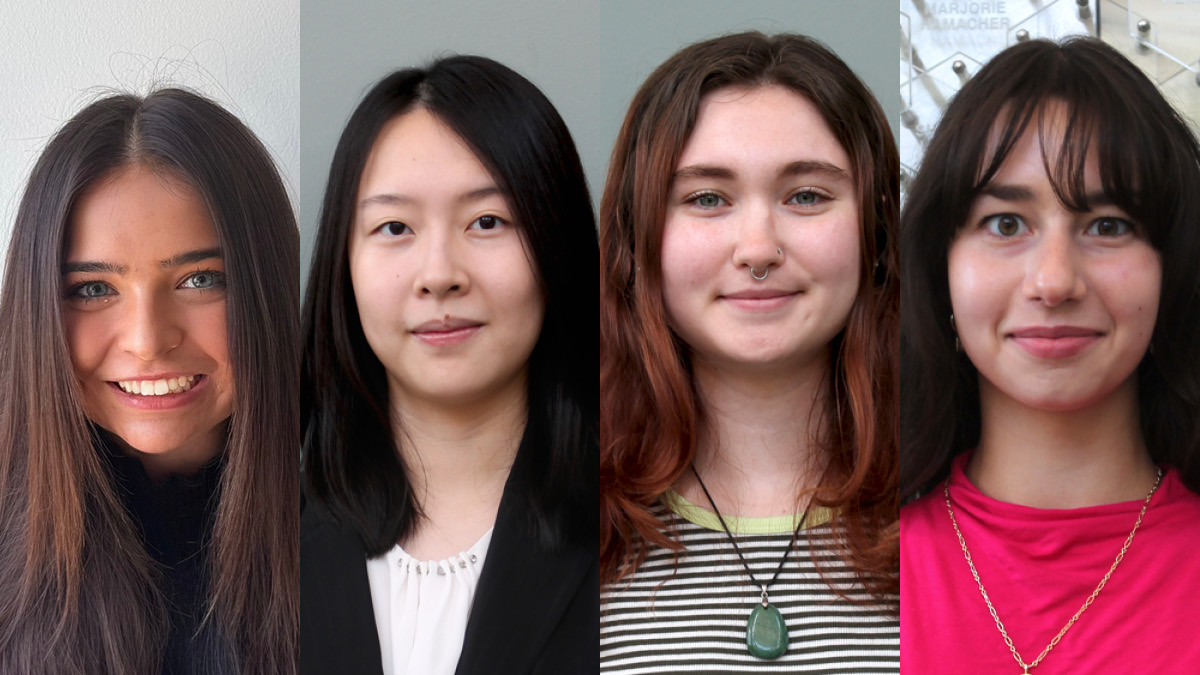
The program’s flexible, individualized structure allows students to follow their interests in faculty-mentored research labs, gaining hands-on experience in multiple specializations within the School of Pharmacy and beyond. This year, four students in the PharmTox program are being recognized for the excellence of that work.
Keira (Kay) Ylvisaker and Jiayun (Jenny) Li each received Hilldale Undergraduate/Faculty Research Fellowships, one of the university’s most competitive undergraduate research honors, which provides a $4,000 stipend to support independent research conducted with the close collaboration of a faculty mentor. Sophie Melnyk (BS ’26) earned an Honorable Mention for the Theodore Herfurth and Teddy Kubly Awards for Comprehensive Undergraduate Excellence, among the oldest and most prestigious awards on campus that is given to just two students annually. And Caroline Mork (BS ’26) received a Ginsberg Family Award, which recognizes outstanding, well-rounded student leaders in the broader UW–Madison campus community.
“PharmTox is a very supportive and tight-knit environment, especially for a large public university like UW–Madison,” says Ylvisaker. “Research exposure is a requirement for our major, and the program pushes you to actually apply for competitive opportunities like this.”
Jenny Li
Bridging the tuberculosis gap
Li has a personal connection to her Mycobacterium tuberculosis (Mtb) research: She’s an international student from China, one of the top 30 high-burden countries for the disease, according to the World Health Organization.
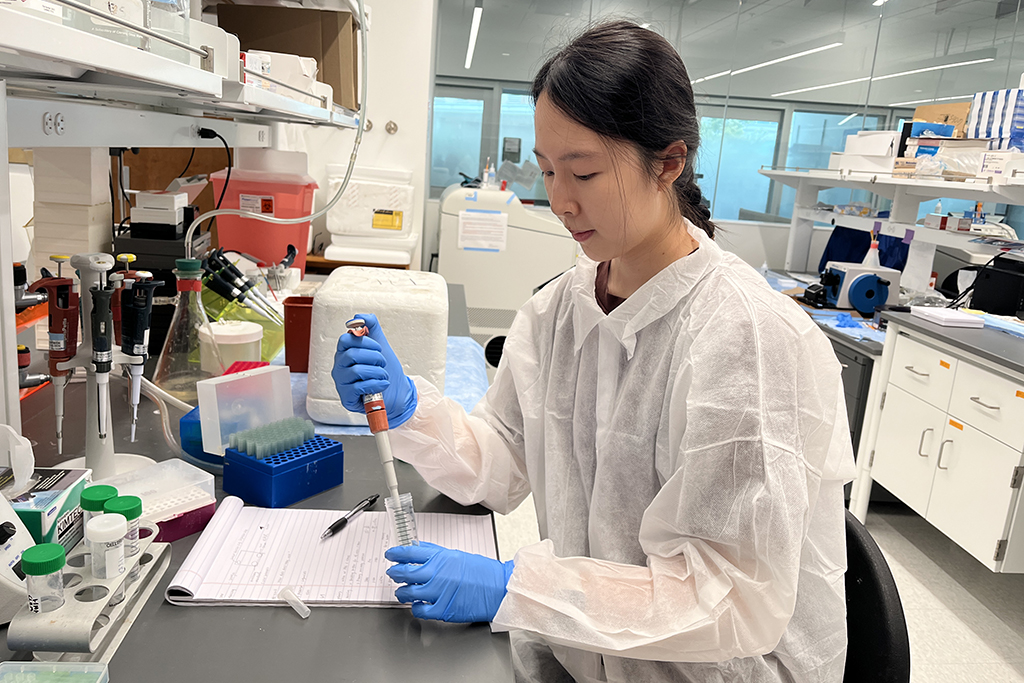
“This disease is a global concern, but it’s also an acute concern back home,” says Li.
Tuberculosis is often associated with the lungs, but when the disease spreads to the central nervous system (CNS), the outcomes are much more severe.
“Mtb infections in the CNS have about a 50% mortality rate,” says Li. “The half of the patients who survive suffer from lifelong neurological dysfunctions.”
With Professors Zsuzsanna Fabry and Matyas Sandor in the UW Department of Pathology and Laboratory Medicine, Li’s research is working to better understand tuberculosis infections in the brain.
Tuberculosis infections in the CNS are unique: they may trigger cellular senescence, a little-understood biological state where the cells are still alive, but they permanently stop dividing in response to stress or infection.
According to Li, while senescent cells can sometimes support healing, they can also release inflammatory molecules that damage surrounding DNA, cells, and tissue, which can lead to conditions like cancer, cardiovascular disease, and neurodegenerative diseases.
“The Hilldale Fellowship is an opportunity for me to take a step further in my project. It’s validation and encouragement that my research is meaningful and worth pursuing.”
–Jenny Li
Since tuberculosis is a less prevalent disease in the United States, Li hopes her research will help expand the understanding of the disease, bridging knowledge gaps between Mtb’s long-term neurological effects and cellular senescence.
“The Hilldale Fellowship is an opportunity for me to take a step further in my project,” says Li, who plans to continue research at graduate or dental school after graduating. “It’s validation and encouragement that my research is meaningful and worth pursuing.”
Kay Ylvisaker
Strand-specific DNA repair
In Professor Kavi Mehta’s lab, in the UW Department of Comparative Biosciences, Ylvisaker studies how DNA repair mechanisms respond to damaged DNA during replication, helping to expand the understanding of how cancers develop.
“HPV (human papillomavirus) is one damaging agent that we research to understand in the lab, but something I work on particularly is studying the difference between leading and lagging strand synthesis,” says Ylvisaker.
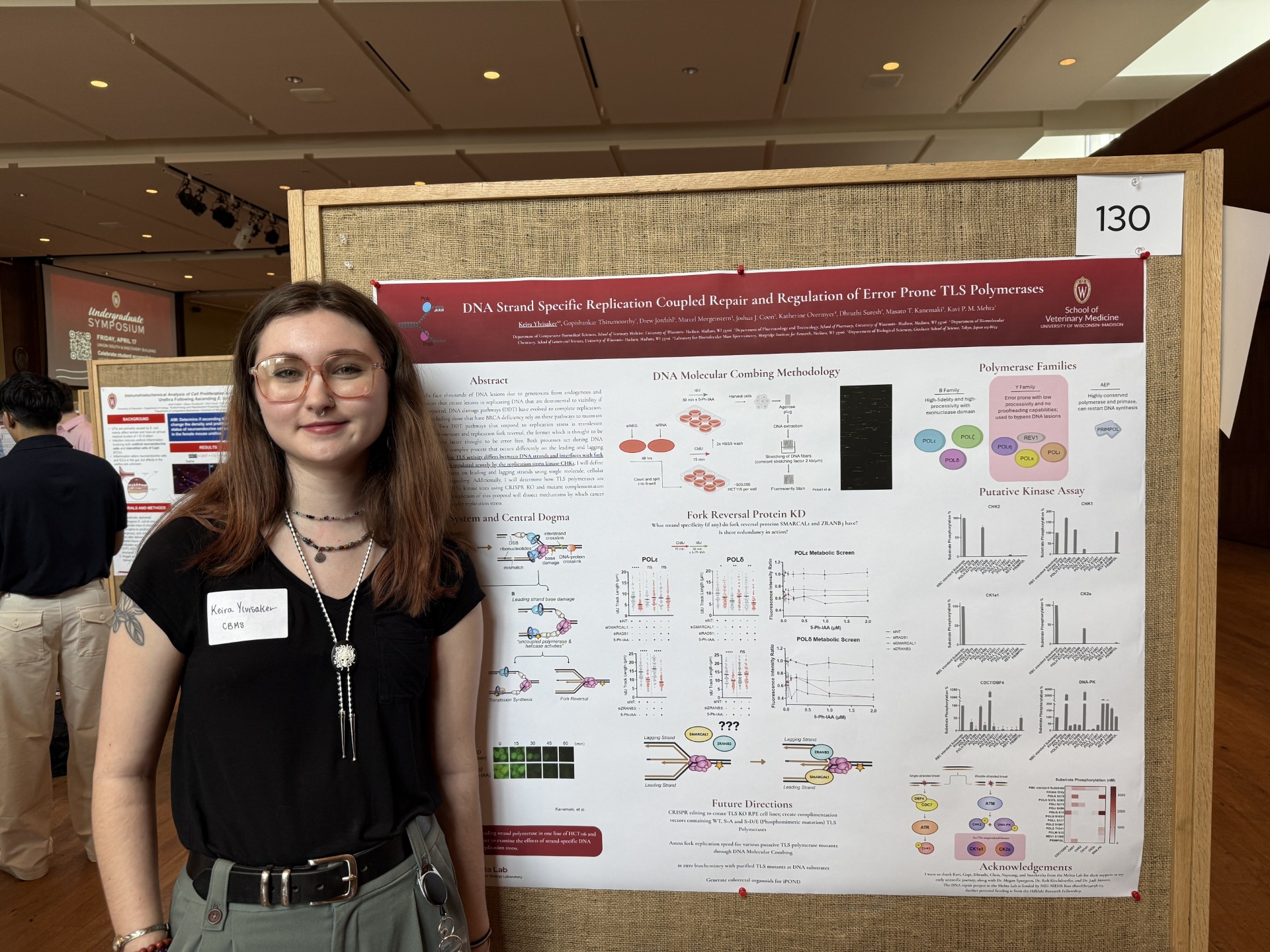
DNA is a double-stranded molecule, and each strand has a directional orientation. One end is called the three prime, and the other is the five prime end. Since DNA can only be replicated in one direction, its two strands are copied differently: the “leading” strand runs in a direction that allows it to be synthesized continuously, while the “lagging” strand goes against the grain, and is formed in small segments called Okazaki fragments, which are later stitched together.
“We already know that DNA is repaired differently across strands, so we want to know what those differences are,” says Ylvisaker, whose particular interest lies in repair of UV-induced DNA damage associated with skin cancers.
This research is highly relevant to HPV, a virus that disrupts DNA replication and repair after integrating into the genome, contributing to mutated DNA that can lead to cancer.
According to Ylvisaker, while the HPV vaccine has high success in preventing infection, access is not universal, making it essential to understand how these repair mechanisms behave in existing HPV infections.
Ylvisaker intends to use the Hilldale funding to support her senior thesis work, with plans to pursue a PhD after graduation.
She also expressed her gratitude for Mehta, who served as both a mentor and her principal investigator.
“I was able to utilize his knowledge and mentorship skills to become the scientist I am today,” says Ylvisaker.
Sophia Melnyk
Detecting disease at the molecular level
After being awarded a 2025 Hilldale Undergraduate Research Fellowship last year, Melnyk continued her research with the School of Pharmacy’s Professor of Pharmaceutical Sciences Lingjun Li.
“Support such as the Hilldale Award really makes a meaningful difference,” says Melnyk. “It was very helpful to earn that support and have it help in tangible ways.”
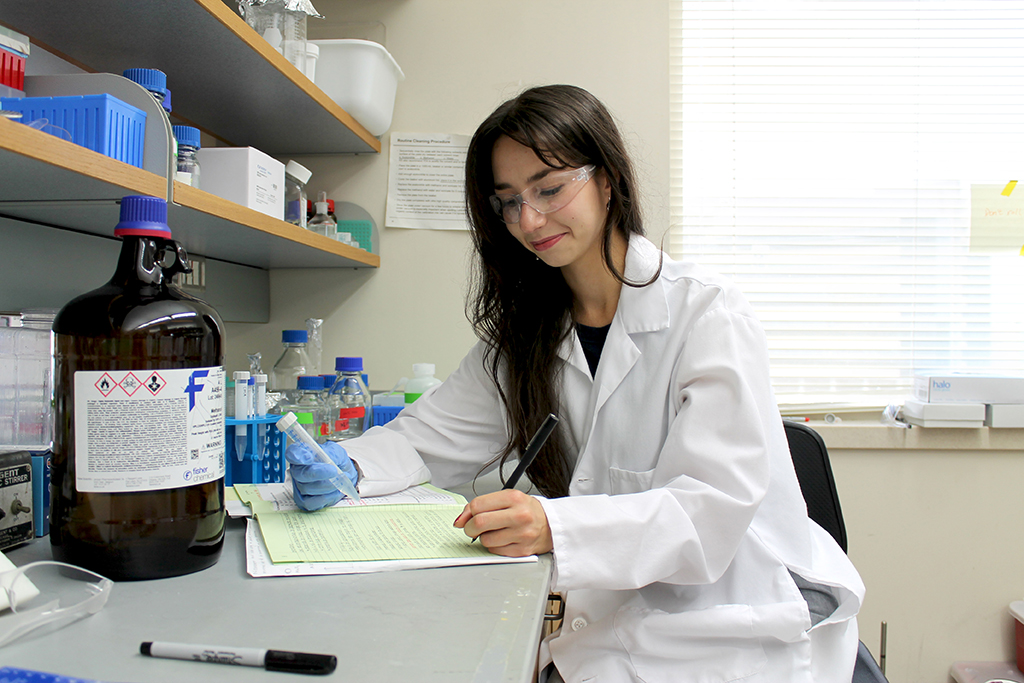
Their work uses mass spectrometry to detect key indicators of common neurodegenerative diseases, focusing on determining the molecular composition of tissues and specific ion abundances.
“A lot of our work is focused on potential biomarker discovery and finding ways to detect these diseases earlier,” says Melnyk. “If we can learn more about disease-associated changes, we can increase our knowledge of how that disease progresses and drug targets or therapies that might work.”
Her research works to improve detection of steroids — a project that she will present at the 2026 American Society of Mass Spectrometry Conference.
This fall, Melnyk will continue her excellence at the Northwestern University Feinberg School of Medicine, where she plans to train as a physician.
As a Herfurth Kulby honorable mention, Melnyk has been a well-rounded member of the UW–Madison community, combining innovative research with roles across leadership, service, academics, and healthcare.
“Part of my personal evolution was learning meaningful ways to contribute to the people around me and my community.”
–Sophia Melnyk
On campus, she served as a physiology teaching assistant, PharmTox student committee member, and a UW Chemistry Department ambassador, while also volunteering with the UW–Madison chapter of Camp Keesum to support children affected by cancer. All the while, Melnyk also worked as a CNA, lifeguard, and immunology intern.
“Part of my personal evolution was learning meaningful ways to contribute to the people around me and my community,” says Melnyk. “UW–Madison and the PharmTox program as a whole do a really good job of connecting people with a purpose that’s bigger than themselves.”
Caroline Mork
Engineering targeted cancer treatments
Since her freshman year, Mork has worked in the radiation-oncology lab of Professor Randall Kimple in the UW–Madison School of Medicine and Public Health studying MET, an overexpressed biomarker associated with poor patient outcomes in head, neck, and lung cancer.
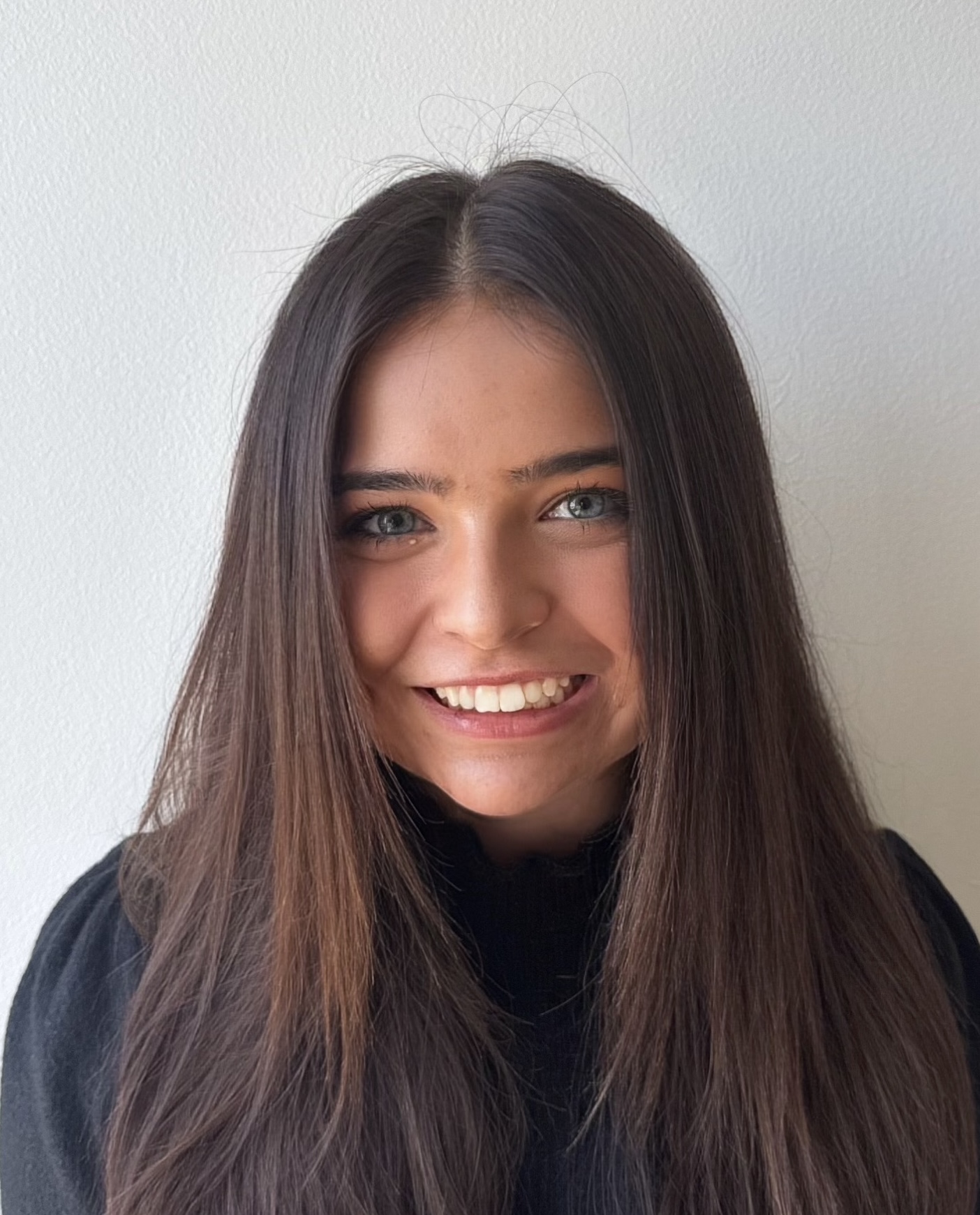
Because MET is present on the surface of tumor cells, it serves as a great target for the cancer imaging and therapy done in the Kimple Lab.
Using specialized antibodies derived from camelids and sharks to reach otherwise inaccessible areas within tumors, Mork helps investigate new approaches for both tumor detection and treatment.
One aspect of Mork’s research centers on diagnostic imaging for MET-positive tumors, while another pairs these specialized antibodies with therapeutic radioisotopes to slow tumor growth.
“We combined an antibody that’s able to target something in the body with a drug that’s able to actually deliver a dose to that specific target,” says Mork.
Since these radioisotopes have longer half-lives, targeted therapies offer an improved quality of life, reducing how frequently patients would need to return for treatment.
“It’s so impactful to see the actual connection from the lab bench to the patient’s bedside,” says Mork.
Outside the lab, Mork works as an endoscopy technician at SSM Health, tutor at the Physics Learning Center, and established a local high school dance program centered on service and leadership. Next, she aims to pursue medical school.
Her 2025 Hilldale Undergraduate Research Fellowship last year allowed Mork to further develop independence as a researcher. Now, as a 2026 Ginsberg Awardee, she emphasizes that the experiences that shaped her most are the ones that taught her balance.
“You need to be a well-rounded person in life,” says Mork. “That goes for science, too.”
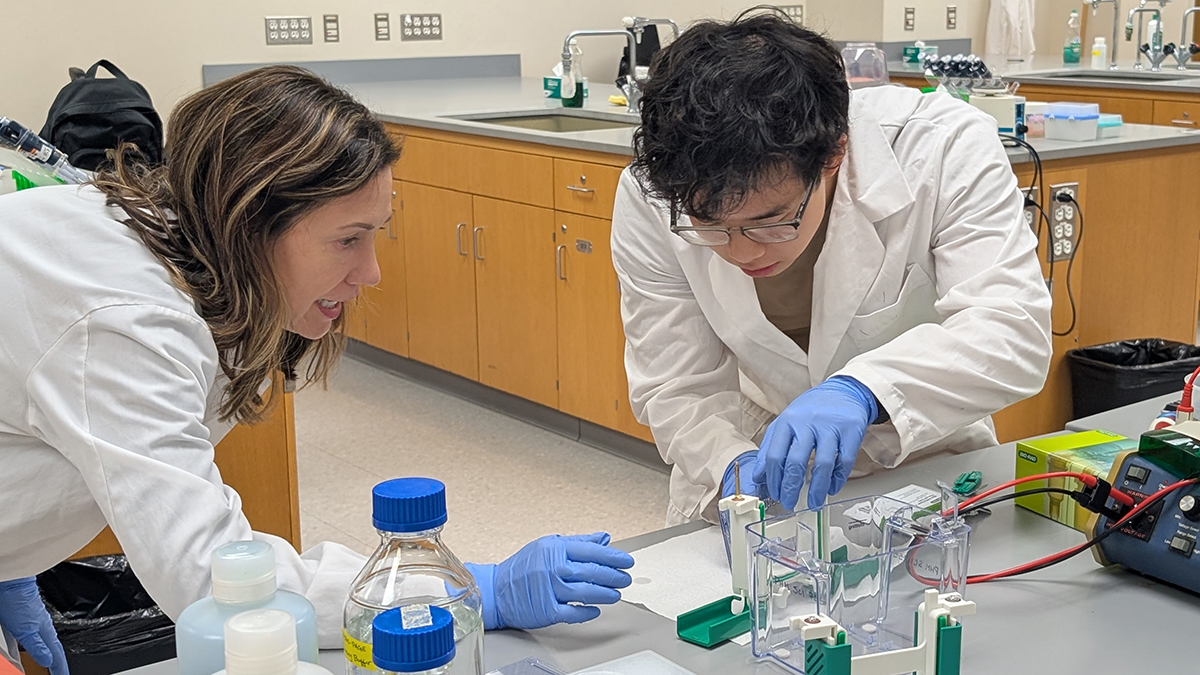
Whether they pursue pharmacy, medicine, research, or industry, PharmTox graduates are perpared to succeed.
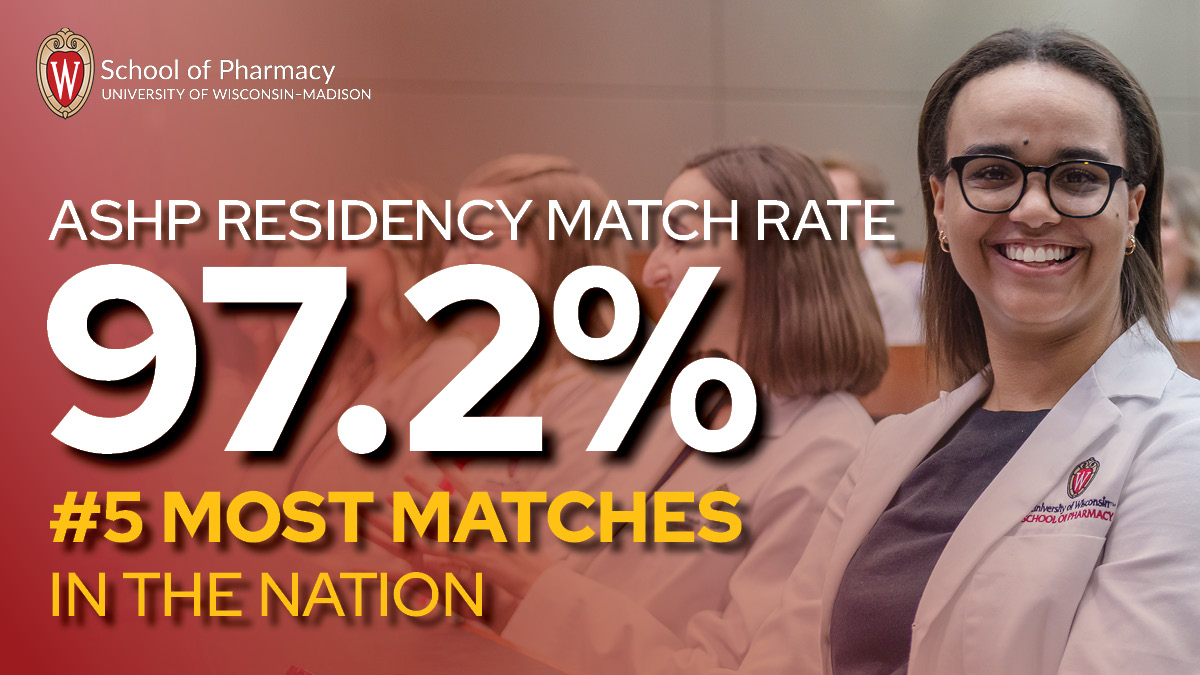
With a 97.2% ASHP residency match rate for 2026, the School outpaces national average and maintains a tradition of excellence.