Laurel Legenza (PharmD ’13) leads two health-system improvement projects on two different continents in the name of global health.

Laurel Legenza (PharmD ’13) leads two health-system improvement projects on two different continents in the name of global health.

Research by Professor Glen Kwon and former graduate student Tony Tam (PhD ’18) is working toward enhancing the efficacy of chemotherapy.

Three new hires and two new appointments strengthen the School’s Pharmacy Practice and Pharmaceutical Sciences Divisions.
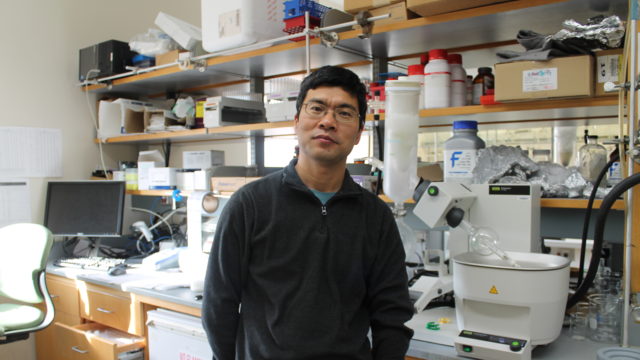
The School’s Professor Weiping Tang is the principal investigator on the project that won funding from the UW2020: WARF Discovery Initiative program.
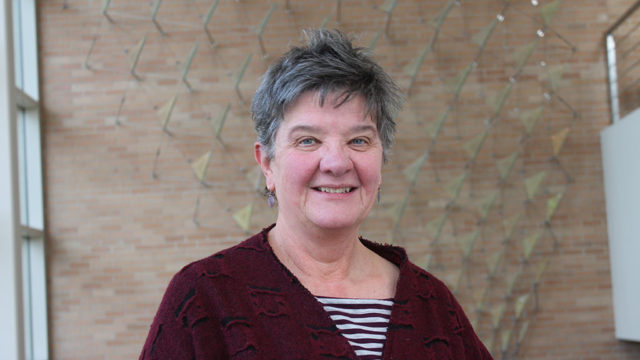
Connie Kraus (BS ’75, PharmD ‘93)—quilter, fisherwoman, grandmother, world traveler, and pharmacist—is retiring from the School after 25 years.
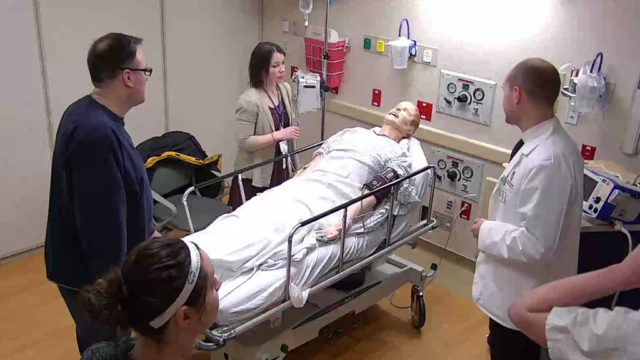
The School’s IPE program includes a host of activities, including clinical simulations, designed to graduate career-ready, collaborative pharmacists.
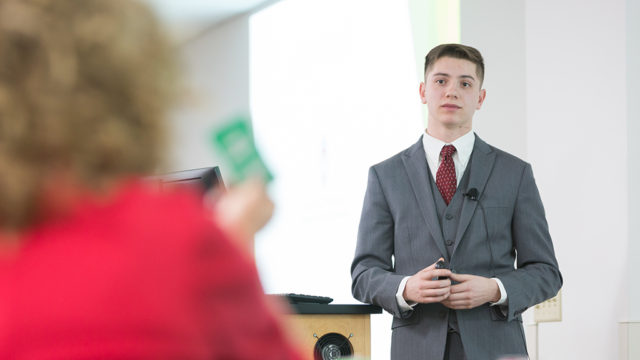
School of Pharmacy faculty and alumni came together to teach valuable entrepreneurial skills to PharmD students, and then tested the students’ mettle with a pitch to investors.
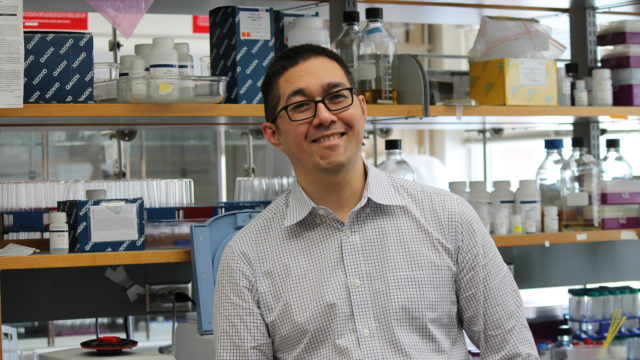
Assistant Professor Jason Kwan, in the Pharmaceutical Sciences Division, is researching microbialites in South Africa to unearth new pharmaceutical tools.
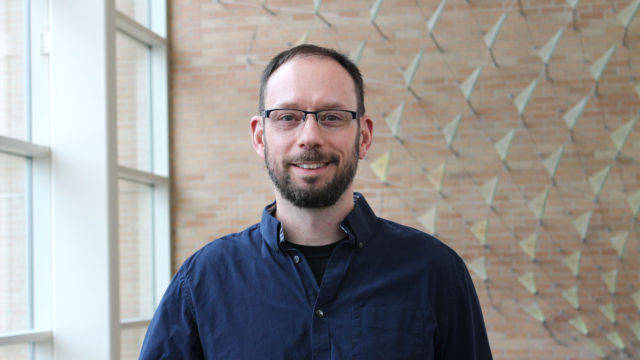
The School’s Tim Bugni and Lingjun Li are using coculturing techniques to recreate aspects of real ecosystems to spur dormant and hidden antibiotic capacities into action.
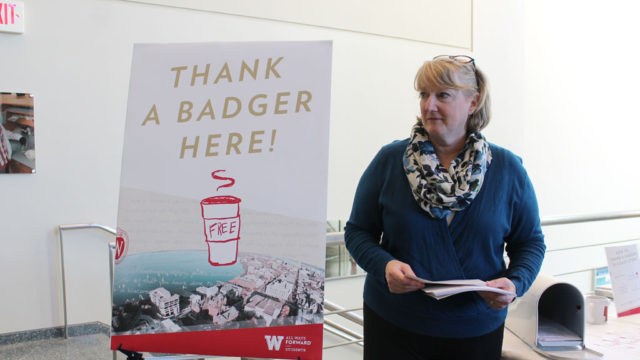
Every year, students, faculty, and staff at the University of Wisconsin–Madison School of Pharmacy set aside time to write thank-you cards to our alumni donors.