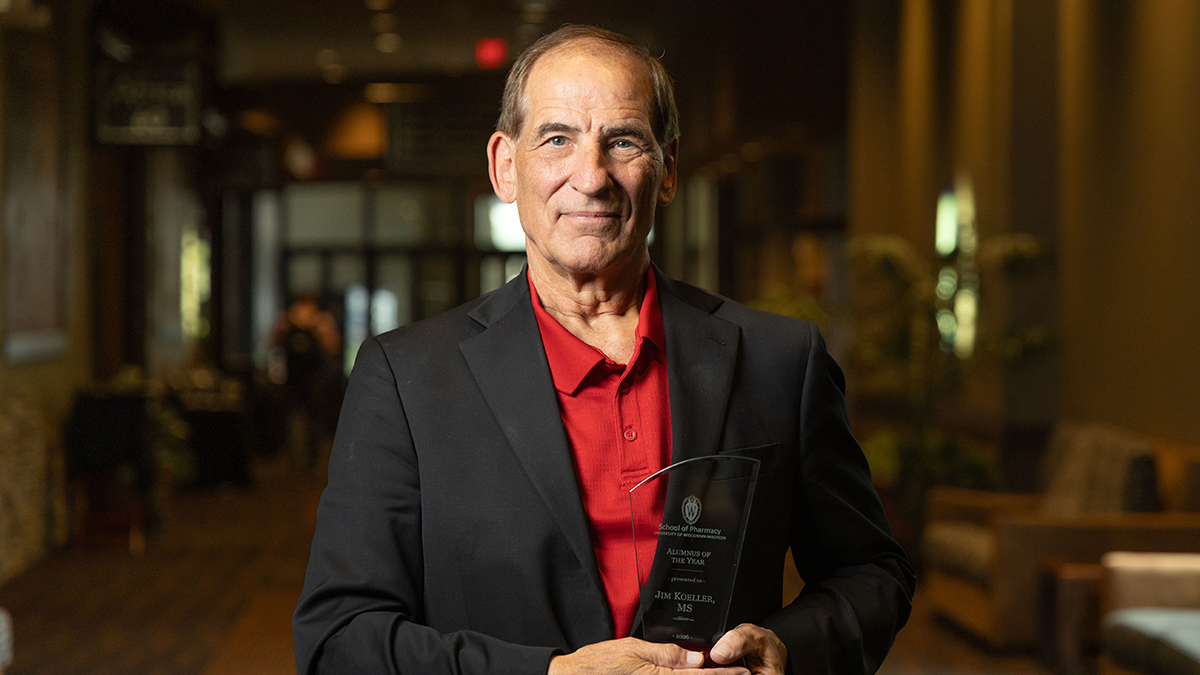
A pillar in oncology pharmacy, Koeller helped transform the landscape of cancer care for over 40 years
Not many people can say that they helped establish their own specialty. For Jim Koeller (BS ‘77, MS ‘80), it’s just one highlight of his decades-long career.
A pharmacist, professor, researcher, and alumnus of the University of Wisconsin–Madison School of Pharmacy, Koeller has trained generations of pharmacists and advanced research in cancer treatment. For his legacy in oncology pharmacy, Koeller is being honored as the 2026 Alumnus of the Year by the School’s Pharmacy Alumni Association (PAA).
The recognition comes as Koeller begins his transition into retirement this year from the University of Texas at Austin, where he held the Eli Lilly/C.R. Sublett Endowed Fellowship in Pharmacy as a member of the Center for Pharmacoeconomic Studies.
“This award is personal — all my training and graduate work was at Wisconsin.”
–Jim Koeller
“I was surprised and honored,” says Koeller. “It’s a lot easier to track closer alumni, so receiving this award while being such a long way away is a special honor.”
The early years
“I’m a diehard Badger pharmacist at heart,” says Koeller. “This award is personal — all my training and graduate work was at Wisconsin.”
After completing his Bachelor of Pharmacy degree in 1977, Koeller chose to pursue the School’s master’s degree and residency program in health system pharmacy administration and leadership.
“I didn’t want just to be a pharmacist,” says Koeller. “I wanted to go on.”
Koeller’s graduate experience was influenced by pharmacy leaders David Zilz (BS ’62, MS ’64) and Tom Thielke (BS ’67, MS ’69), who led the HSPAL program with the precedent of “work hard, play hard.”
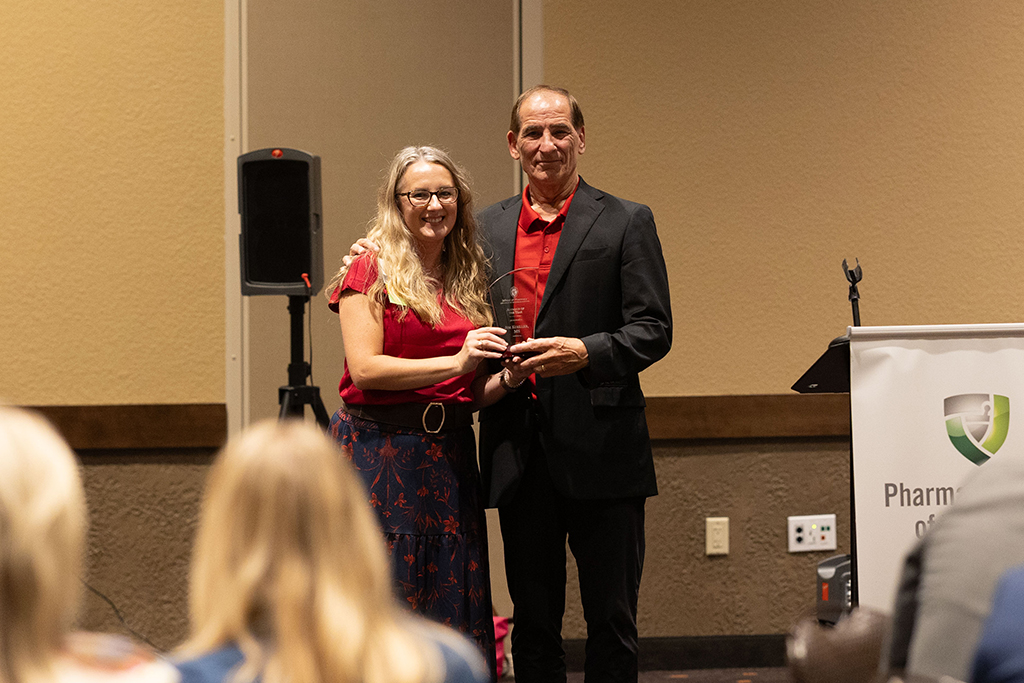
“They made it a great program to be in,” he says. “Wisconsin is where you come if you want to be a go-getter.”
As part of the HSPAL program, Koeller also completed a residency at UW Hospital, working as a clinical pharmacist on the oncology floor to provide chemotherapy to cancer patients.
He then joined the UW Carbone Cancer Center as a research scientist and director of Phase I research. At the time, Carbone had just received a three-year Phase I grant from the National Cancer Institute — one of only 12 awarded across the U.S. During his five years at Carbone, Koeller wrote protocols, managed and treated patients, collected data, and presented their research to the NCI.
“My career has been in oncology pharmacy for 47 years. That started because of Wisconsin,” says Koeller. “I got involved, I was allowed to do this research, and I fell in love with oncology.”
Beyond Wisconsin
An itch for change landed Koeller in Texas, where he would spend the next four decades.
“There’s a big country out there,” he says. “I needed to get out and show the world what Wisconsin has — what I’d been trained to do.”
When Koeller arrived in Texas in 1984, he wore three hats: He was a part-time faculty member in the UT Austin College of Pharmacy; a clinician at the Veterans Affairs hospital, where he managed investigational drugs; and a researcher at the UT Health Science Center at San Antonio, where he continued with drug development, helping San Antonio’s cancer research program earn an NCI grant similar to Carbone’s.
“We managed how clinics approach cancer, pushing for a more strategic, thoughtful manner.”
–Jim Koeller
In 1992, Koeller left the VA to join UT Austin’s Division of Pharmacotherapy full time. The division is housed at the health science center in San Antonio, where he would spend the rest of his academic career.
While continuing his research and instruction, Koeller spent roughly a decade working with colleagues to establish oncology pharmacy as a recognized specialty. Their work paid off: Oncology was recognized as a specialty by the Board of Pharmaceutical Specialties (BPS) in 1996, and Koeller served on the first BPS Specialty Council on Oncology Pharmacy, helping to develop the specialty’s first examination for certification.
“If there’s ever a specialty where a pharmacist is needed, it’s oncology,” Koeller says.
For Koeller, shaping this specialty also meant shaping the people carrying it forward.
“I’ve trained several folks who are nationally known in oncology or have been deans,” he says. “I’ve had students who’ve retired before me. That’s how long I’ve been teaching.”
Standardizing care
Oncology patient care is a uniquely challenging pursuit, according to Koeller.
“It’s difficult to do this career and see the majority of your patients succumb to their disease,” he says. “That doesn’t happen in most specialties. In cancer, it does.”
Rather than continuing with direct patient care, Koeller adjusted his approach.
“After a while, I realized I can’t work directly with patients — but I can help with the drugs. I’m a drug guy,” says Koeller. “I wanted to help support and standardize patient care so they don’t have to go through all this.”
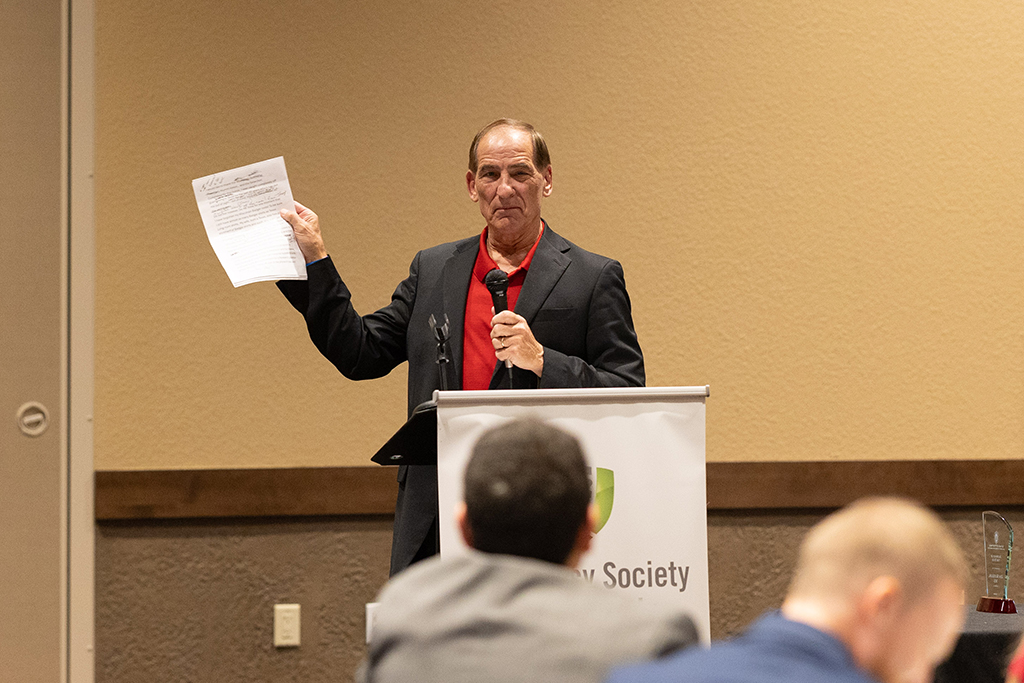
For the last 30 years, Koeller has pursued research and education in two primary areas: supportive care and pharmacoeconomics, using cost and outcomes data to drive treatment guidelines.
Within supportive care, he specialized mainly in antiemetics and growth factors, developing drugs to make treatment possible outside the hospital.
“Supportive care drugs changed the course of cancer treatment,” he says. “I was part of that group for a long time.”
Koeller’s other focus was standardizing cancer therapy through consistent, data-driven guidelines. Across the U.S., he helped capture data on patient treatments, using it to develop recommendations for clinics.
“We managed how clinics approach cancer, pushing for a more strategic, thoughtful manner,” says Koeller. “It saves everyone money. More patients can get treated. More patients can get the drugs they need.”
Despite spending the majority of his career in Texas, Koeller continues to track updates on the School of Pharmacy and keeps in touch with Wisconsin colleagues. More than anything, he’s grateful to Wisconsin for helping him pursue the career he wanted.
“The program gives you all the things you need to get what you want for your career,” he says. “Wisconsin did that for me. I was in a setting where I was allowed to just do.”
As Koeller retires after 47 years, he’s confident in the next generation of leaders taking his place.
“I’m proud of a legacy of training and producing folks that continue to carry our profession forward,” he says. “That’s a big deal.”

Ladell is recognized by the Pharmacy Alumni Association for pharmacy leadership and ongoing commitment to community.

Fifteen years into his career, the Mount Horeb Family Pharmacy co-owner is still showing student pharmacists what independent pharmacy can be.