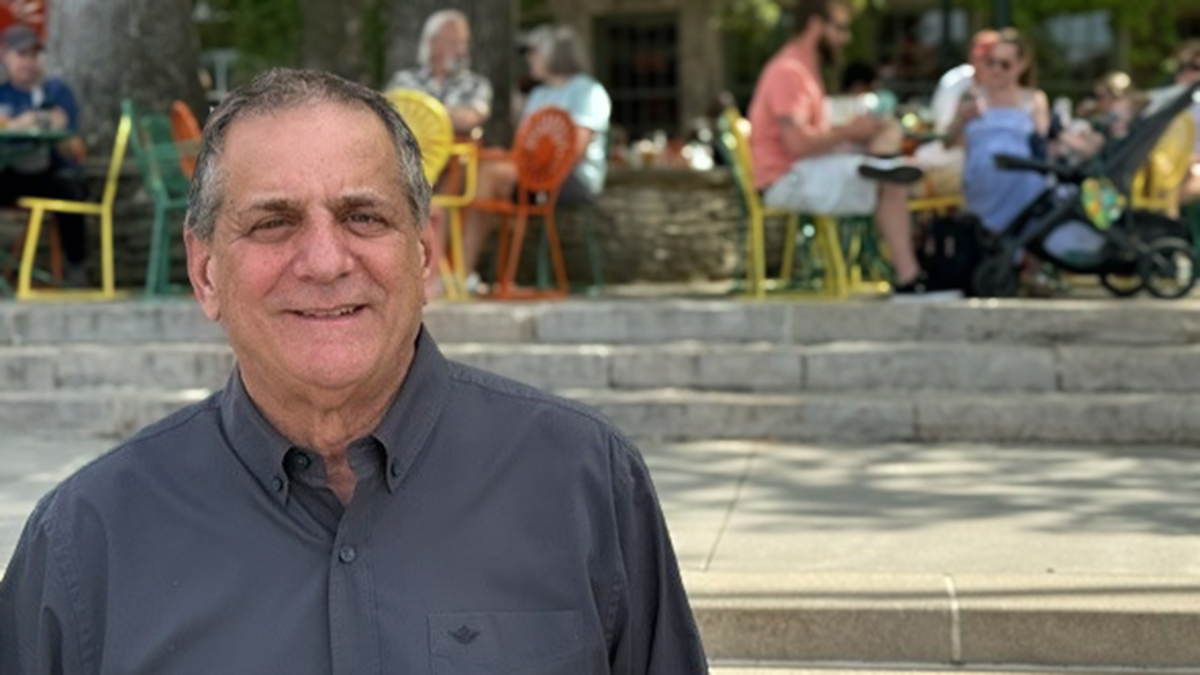
Third-generation pharmacist Steve Marcus built a four-decade career at the forefront of long-term care pharmacy
Heading off to his first year at the University of Wisconsin–Madison, Steven Marcus (BS ‘80) was given one simple command from his father, Edwin Marcus (BS ‘53): “Go into anything you want, but don’t go into pharmacy.”
As 18-year-olds are wont to do, Steve did precisely the opposite. Compelled by his childhood spent among pharmacy shelves, he enrolled in the UW–Madison School of Pharmacy, becoming a third-generation pharmacist and building a decades-long career across consulting, independent, and long-term care pharmacy.
“I think he saw that pharmacy was changing from what I grew up with in his store and his father’s, and he didn’t want me to be disappointed,” says Steve. “While he really did urge me to look at other careers, I know he was still proud that I followed in his and his dad’s footsteps.”
A pharmacist family
The family’s pharmacy tradition started with Steve’s grandfather, David Marcus, and his great uncle, Max, who co-owned Emdee Pharmacy (a phonetic nod to their first initials) on the North Side of Milwaukee. In the family tradition, Edwin ran a small pharmacy in a medical building across town, on 12th and Wells in downtown Milwaukee, near Mount Sinai Hospital. Growing up, Steve worked in the family pharmacy.
“I worked there as soon as I could walk, dusting shelves,” he recalls. “I loved it.”
“The business side of what I saw in my family’s store is what really drew me in. Having a pharmacy degree and an MBA opened a lot of doors and gave me a great foundation for what I think was a pretty successful and definitely challenging but rewarding career.”
–Steven Marcus
As he got older, Steve found himself intrigued by the compounding process and the interactions with both prescribers and patients.
“They did lots of compounding — not just topicals, but cough medicines and expectorants,” he says. “I liked the idea of doing that professionally. And the customers became like family. My dad would make special deliveries after hours and help them out with a few dollars here and there.”
While Steve was studying at the UW–Madison School of Pharmacy, Mount Sinai Hospital bought the building in which his father’s pharmacy was located and turned it into a research lab, terminating all the existing leases. Forced to pivot, Edwin bought an existing small pharmacy on the South Side of Milwaukee. After graduating, Steve completed an internship at Laabs’ Pharmacy while helping his dad build up the new pharmacy.
“I would go help my dad after my shifts, and when I was done with the internship, I went to work with my dad as the co-owner of the store. I joined him in 1981 as a pharmacist and worked with him until 1992.”
Steve jokes that he thinks his father had more patience with him than he did with his dad.
“When I started working with him, he would not leave me alone in the store, and then, once he got comfortable, he disappeared,” Steve says.
A head for business
Steve was always interested in the business side of pharmacy and got permission to take a business elective during pharmacy school. He decided to pursue his MBA in 1984 at UW–Milwaukee.
“The business side of what I saw in my family’s store is what really drew me in,’ he says. “Having a pharmacy degree and an MBA opened a lot of doors and gave me a great foundation for what I think was a pretty successful and definitely challenging but rewarding career.”
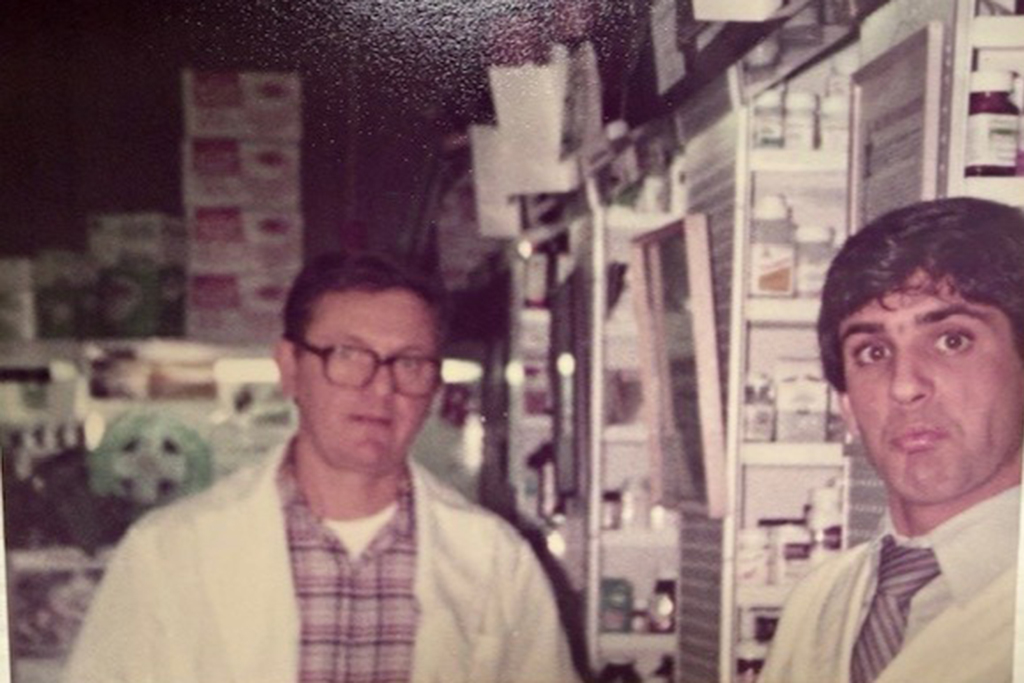
As Steve was finishing his MBA, his dad was working out a deal to sell his pharmacy to their new neighbor, Super Saver.
“My dad stayed on full-time until his retirement,” Steve says. “I stayed on for a bit, finished my MBA, worked a temporary night shift at Walgreens, and was looking for a job.”
He then found his steppingstone toward a business-focused career in an unexpected place: A Chicago Tribune help wanted ad for management trainees.
“The company, VitaLink, was looking for two pharmacist MBAs to eventually become regional and corporate management,” he says. “It was a great opportunity and dumb luck that I found the ad. I started May 1993, the same month I got married.”
After several years in that position, Steve worked in consulting for about six months before connecting with UPC Health Network, who hired him to run their long-term care pharmacy and home infusion business. It prepared him for his next role as president of a newly formed joint venture between Sunscript Pharmacy and the not-for-profit group Health Resources Alliance, Sunscript HRA Pharmacy. The new venture officially brought together two pharmacies that Sunscript had previously acquired.
“In January 1998, I walked into Sunscript HRA, which later became Alliance Pharmacy Services, and it was a mess,” he recalls. In the first few years, the pharmacy struggled financially, with six-figure operating losses.
But as Steve’s team worked to streamline operations, the company began to turn a healthy profit and was even honored as the Sunscript System Pharmacy of the Year. The organization and its pharmacies in Milwaukee and St. Louis were running well, and Steve was commuting from Milwaukee to locations in Illinois and St. Louis.
“It was time for me to do something else,” he says.
Innovating long-term care
Looking for a new challenge, Steve joined UVANTA Healthcare, a franchise system of long-term care pharmacies, as vice president of operations, later ascending to president.
Franchising long-term care pharmacies is challenging because each market is unique, both in terms of what the state pharmacy board requires and what customers want. The company introduced a model called LTC Advantage, which Steve refers to as “franchising lite.” LTC pharmacy owners could become Advantage members and decide which services they needed, rather than paying for everything, as they might in a traditional franchise model.
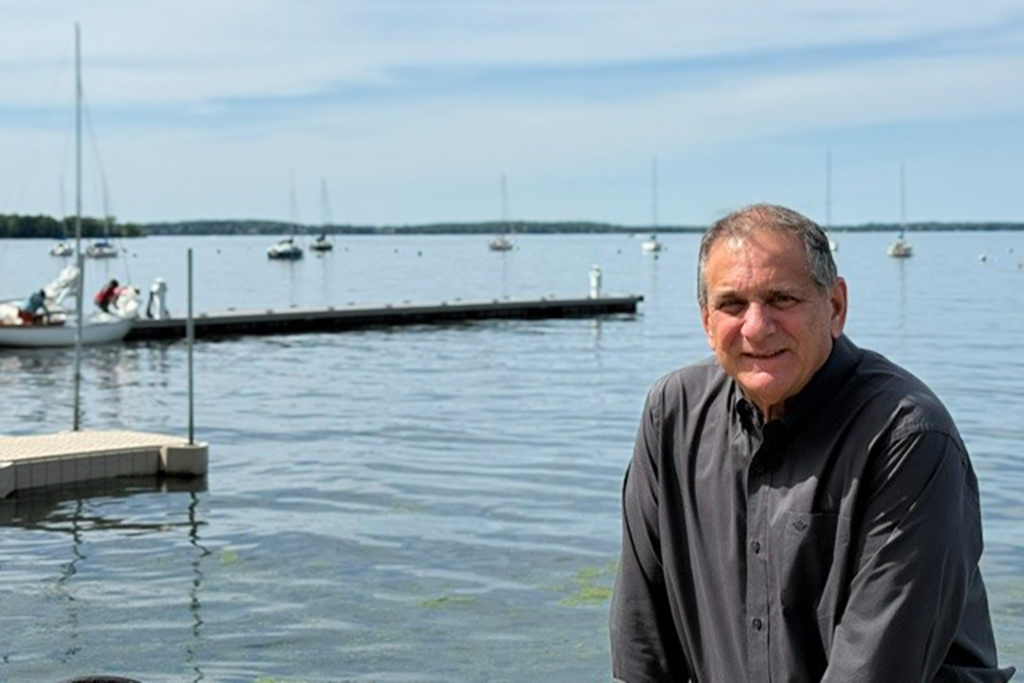
“I think we impacted the pharmacy field as a support company for LTC pharmacies,” Steve says. “We were able to help small, independent operators from the ground up. If they wanted to start an LTC pharmacy and didn’t know how, we helped them open and run it.”
UVANTA Healthcare handled purchasing IT, marketing, operations support, the back office, regulatory requirements, and contract negotiations with wholesalers, vendors, and suppliers.
“We’d say, ‘You run your pharmacy and focus on your customers and employees, and let us do what we’re good at,’” Steve says. “We only lost customers that were successful and had an opportunity to sell their LTC pharmacy and reap the financial benefits.”
Steve has worked with UVANTA for 20 years, and this past year, he and his five other business partners have begun wrapping up the business.
“We ran it successfully for many years,” Steve says. “I turned 69, and I’ve had a phone or computer with me every day, everywhere I’ve gone, and I’ve needed to be available 24/7 because our pharmacy customers were operating 24/7. It’s time to retire.”
Even in retirement, he prefers to be in perpetual motion, planning to spend more time in Northern Wisconsin, biking, golfing, sailing, and traveling more with his wife, Colleen, and dog, Roo. A few days a week, he aims to volunteer. And he’s also considering consulting in the long-term care pharmacy field.
“LTC pharmacy is a niche, and I know a lot of people in the industry I could help as a consultant,” he says. “I want to see independent LTC pharmacy operators succeed in an extremely, increasingly challenging environment.”
Reflecting on his career as he approaches retirement, he’s most proud of two things.
“People built careers, pharmacies, and took great care of patients, and we had a big hand in that.”
–Steven Marcus
“I’m mostly proud my marriage survived,” he says. “I traveled at least once a week my entire career, with periods of 100% travel, and my wife put up with that and supported me through some very challenging business turnaround opportunities.”
“I’m also proud of the great people I’ve worked with over the years who worked hard to make these companies successful; I was just there to enable and guide them,” he continues. “I’ve been lucky to have some of the best mentors throughout my career, including my dad. Without them and what I learned from them, I would never have been able to find success with some of the best pharmacy teams in LTC. People built careers, pharmacies, and took great care of patients, and we had a big hand in that.”
Three Pharmacy Badgers share how pharmacists can transform practice models and patient outcomes, from HIV to heart failure.
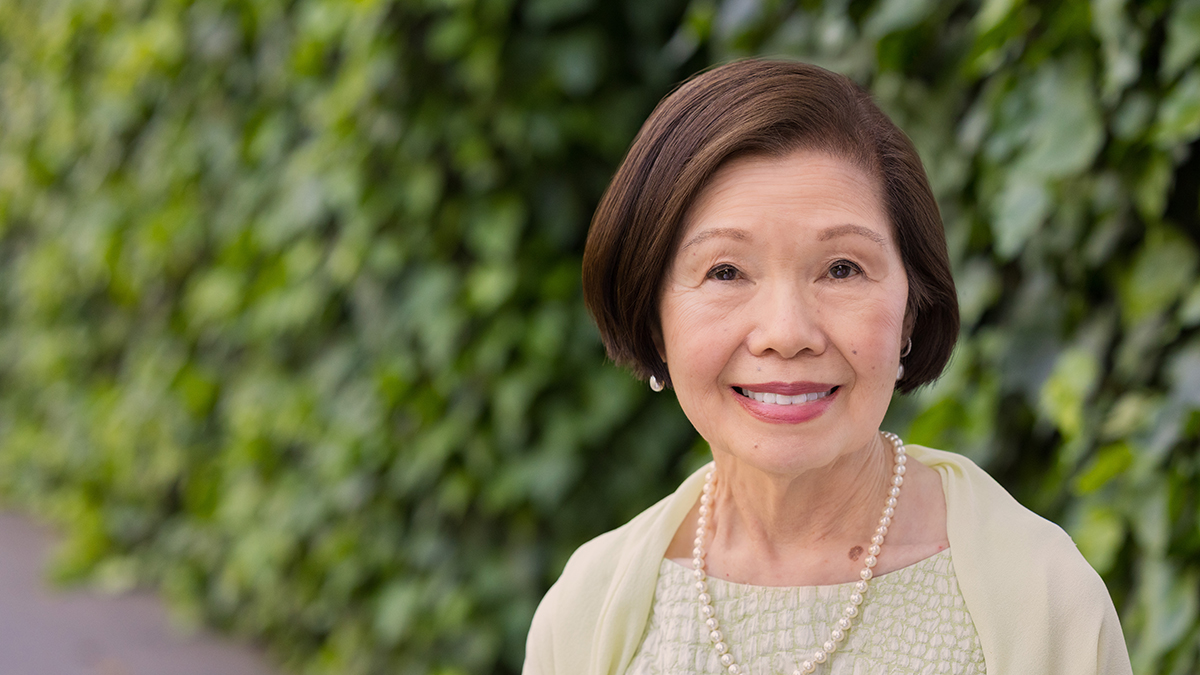
Alum Pauline Chan helped shape California’s clinical pharmacy landscape, from hospital pharmacy to behavioral health.