School of Pharmacy alumni share how specialized PharmD tracks prepared them for careers in industry, research, and clinical practice
By Logan Underwood
When alum Chinh Kieu (PharmD ‘23) first joined the University of Wisconsin–Madison School of Pharmacy’s PharmD program, she knew she wanted to follow her passion for pharmaceutical development. As most of her required courses provided a solid foundation in clinical pharmacology, pharmacotherapy, pharmacokinetics, and more, Kieu was looking for a way to get her foot in the door of drug development.
During her second year at the School, Kieu found what she was looking for: the School’s Applied Drug Development (ADD) PharmD path, one of nearly a dozen concentrations under the School’s Scholars in Pharmacy umbrella that empower students to specialize their PharmD to reach career goals faster. Specializations range from pharmacy operations and technology management to psychiatric pharmacy, rural health, and more.
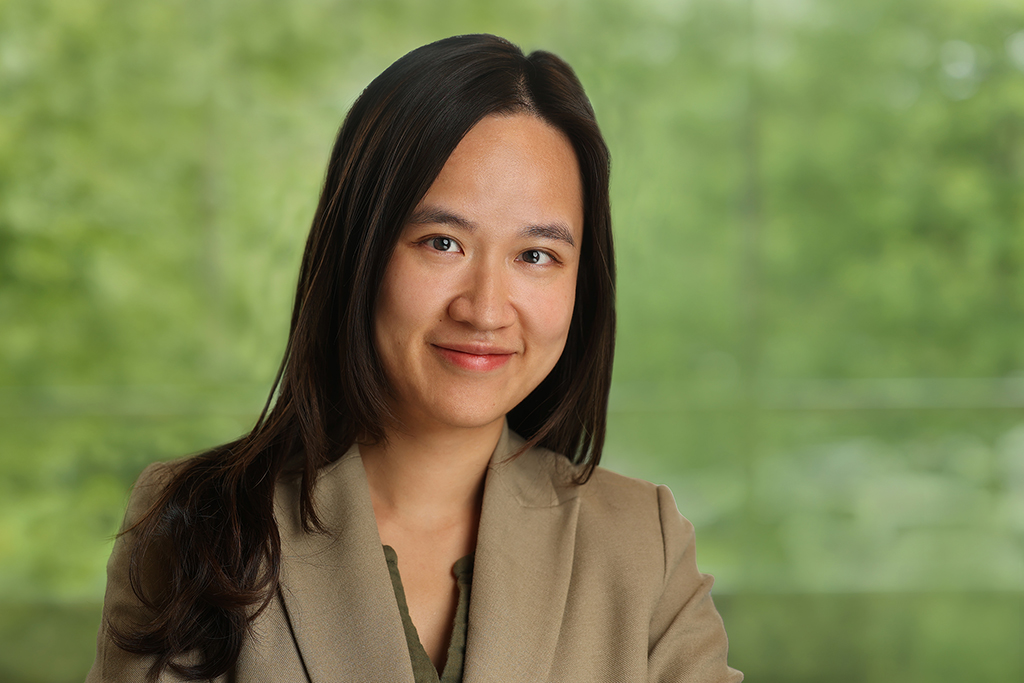
“I knew the route I wanted to take after graduation, so this program and all of the courses offered were a great complement to my pharmacy curriculum,” says Kieu. “This concentration allowed me to get introduced to clinical and drug-development related topics, as well as the pharmaceutical industry as a whole.”
And the program paid off. Today, Kieu is a clinical science post-doctoral fellow at Daiichi Sankyo in New Jersey, where she reviews and interprets clinical trial data, supports oncology drug development, and contributes to data analyses that inform regulatory and development decisions.
The projects she completed and experiences she gained in the ADD program became talking points for interviews, setting her apart as a candidate.
“I think that it facilitated a lot of good questions during the interviewing process,” says Kieu. “They really appreciated the projects and teams that I worked on, and how relevant they are to my day-to-day work now.”
Pursuing research
Noah Kaitz (PharmD ‘23) found similar success through the School of Pharmacy’s tailored concentrations, having completed the Research PharmD path during his time at the School of Pharmacy. To earn the distinction, Kaitz had to spend more than 500 hours on an original research project, including sharing findings through presentations and being first author on a published manuscript.
Kaitz is now bringing those skills to his role as clinical scientist at Bristol Myers Squibb, focusing on early clinical development in Phase 1 trials. With a focus in oncology and autoimmune cell therapy, Kaitz partners with cross-functional teams to assess safety, characterize adverse events, support dose-finding decisions, and evaluate early efficacy, enabling data driven advancement of promising cancer and autoimmune therapies into late clinical development.
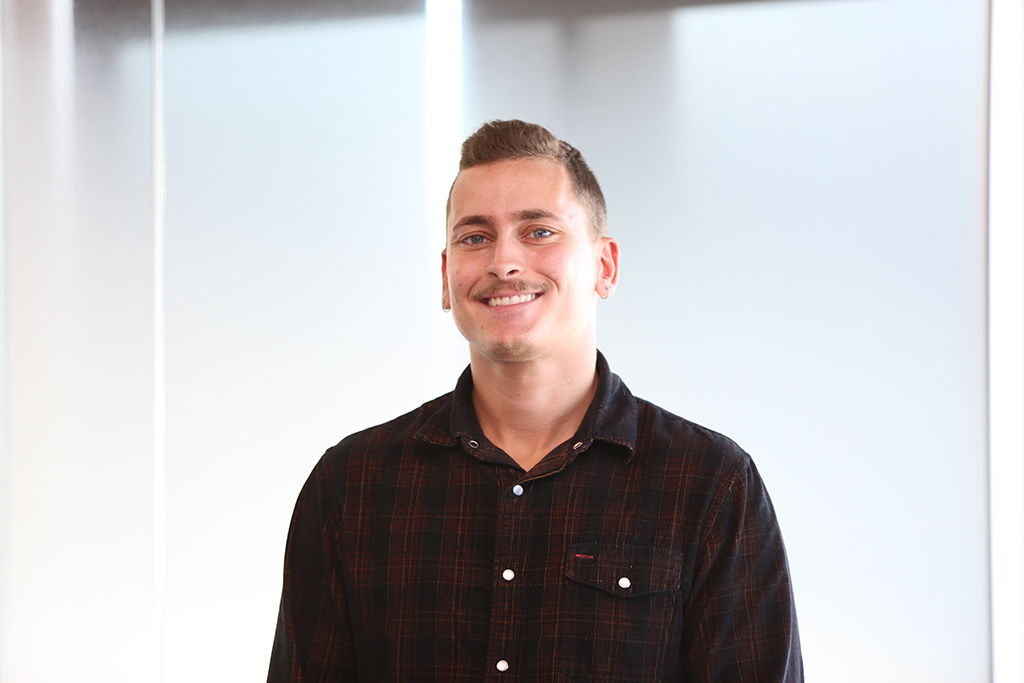
While completing the Research path in the PharmD program, Kaitz gained hands-on research experience while developing critical skills transferable to his current role in pharmaceutical research.
“The foundational research experiences I gained through the Research path prepared me to think critically about how scientific experiments are designed, as well as how to interpret and analyze scientific data,” says Kaitz. “A core part of my work now involves interpreting data to help answer complex questions, which is a skill developed through any meaningful research experience.”
His interest in oncology and immunology began during his research at the School of Pharmacy, where he worked under a medical oncologist and gained his first experience collaborating with oncologists and other researchers. For Kaitz, developing interprofessional communication skills went hand-in-hand with his research on how mutations in T cells can serve as a surrogate marker for immune activation in the blood, with applications in cancer, autoimmune disease, and transplantation. After completing his research project, he was expected to present his findings — another essential skill to his role now.
“An important part of my job now is presenting data to different audiences, whether it’s internal teams, external stakeholders, or those without clinical background,” says Kaitz. “Being able to communicate effectively across different audiences has become an essential skill.”
Facilitating stewardship
Jake Yandre (PharmD ‘22), clinical infectious disease pharmacist and infectious disease residency coordinator, also got a leg up from a specialized program at the School: the Antimicrobial Stewardship (AMS) PharmD concentration.
“The AMS program was great to put on a resume for a residency in infectious disease,” says Yandre. “It showed that I was serious and was willing to take the next steps and dive deeper into the material.”
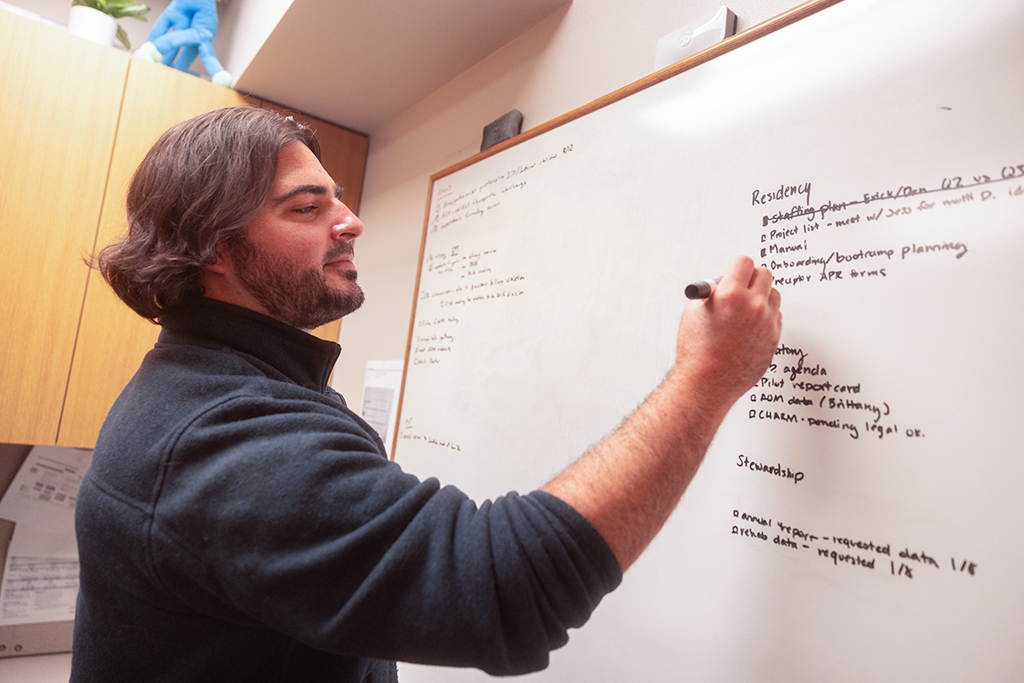
As a member of the infectious disease team at UW Health, working across inpatient and ambulatory care settings, he helps to review every patient at the hospital who is currently taking antimicrobials, ensuring appropriate dosages and durations are prescribed.
In the AMS program, Yandre had an opportunity to learn more about the details of antimicrobial management.
“We were able to dig deeper into the clinical sphere of infectious diseases and learn more about disease states, mechanisms of antimicrobial resistance, and stewardship management,” says Yandre. “When we were done, we had the tools to go and build our own stewardship programs out in the world.”
The specialized courses also help foster stronger connections between students and their peers and professors, Yandre says. One of those connections is with Professor of Pharmacy Warren Rose, associate dean for research and renowned expert in antimicrobial pharmacology and infectious disease who is focused on how antibiotics can be optimized to combat resistant bacterial infections.
“We had more time with Professor Rose, as well as more opportunities to work with him in his lab,” says Yandre, who continues to collaborate with Rose and considers him a valued mentor. “We could develop a closer relationship and I can still use him as a resource.”
Likewise, Kieu is thankful for the connections she developed while completing her ADD concentration. During her coursework, Kieu was able to collaborate with peers she wouldn’t normally be paired with, including instructors with extensive experience in the pharmaceutical industry, who remain insightful mentors.
“The diversity of expertise translated really well from the classroom setting to the professional setting,” says Kieu. “We’re lucky to maintain these relationships and keep them as our mentors, which is so important in this industry.”